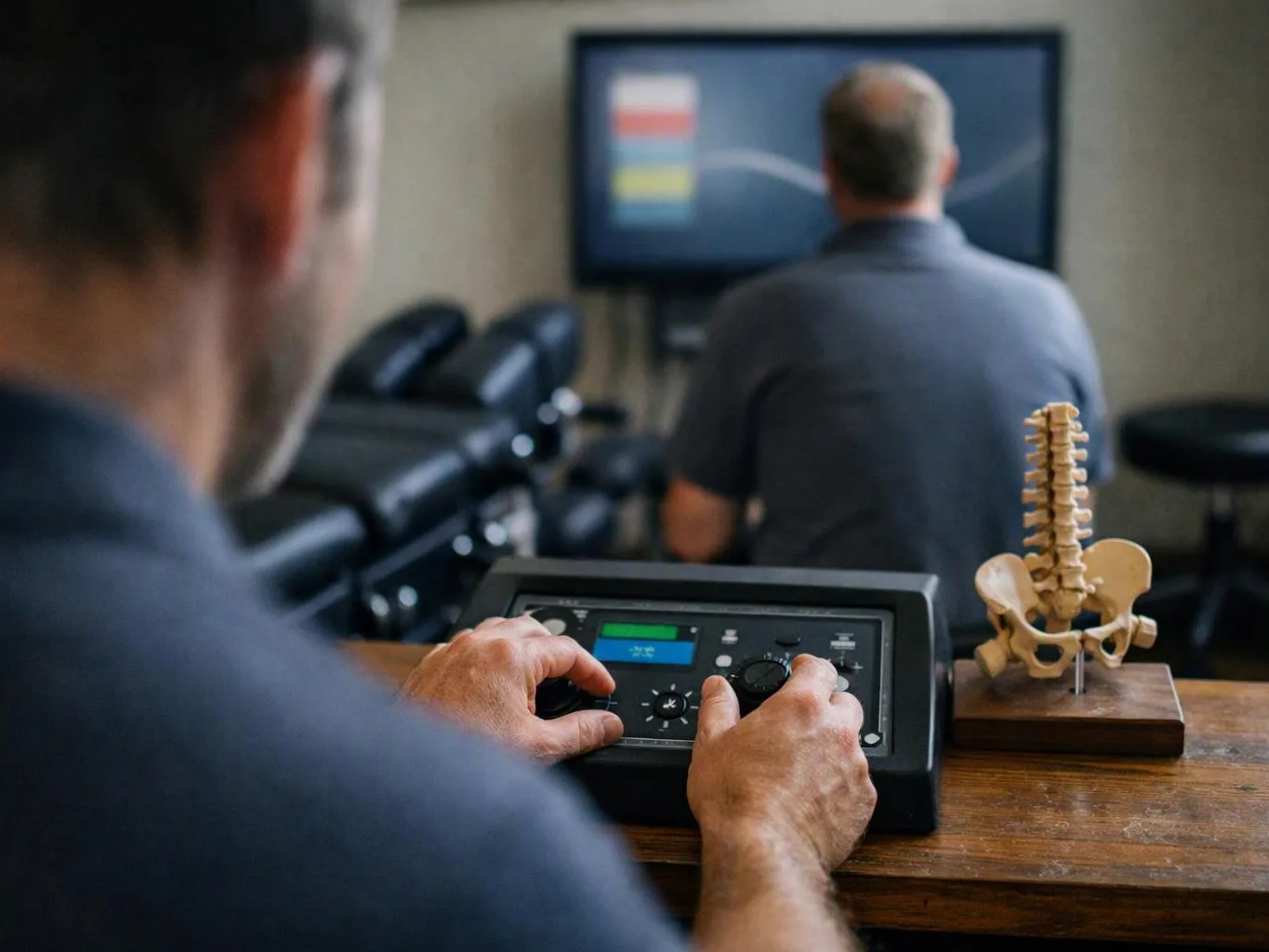
What to Expect Before and After Dry Needling
Dry needling preparation and recovery guidance starts with a review of your health history, symptoms, goals, and suitability for care. At Arrowhead Clinic Chiropractor Savannah, we explain the process, answer questions, prepare the treatment area, and provide aftercare guidance for expected responses and concerns that need follow-up.
Request an EstimateWhat Should You Know Before Trying Dry Needling?
Dry needling is a chiropractic treatment that uses thin needles to address selected muscular and soft-tissue areas after an individual evaluation. We review your health history, symptoms, goals, medications, skin condition, and relevant medical considerations before deciding whether dry needling is appropriate.
Our chiropractic evaluation may include questions about muscle pain, movement, prior care, and your treatment goals. We also look for contraindications, such as concerns that could make needling unsuitable for a particular treatment area.
Dry needling may include trigger point dry needling or another needling approach selected for your presentation. We use the assessment to shape a treatment plan that fits your symptoms and supports patient safety.
How Can You Prepare for a Dry Needling Appointment?
A dry needling appointment is easier to prepare for when we have complete health information and you can access the treatment area comfortably. Follow the appointment instructions our team gives you before care.
Tell us about changes in your health before the appointment. Clear patient communication helps us decide whether the planned treatment remains suitable.
What Happens During a First Dry Needling Appointment?
A first dry needling appointment includes an initial consultation, physical assessment, explanation of the proposed treatment, informed consent, targeted needle placement, and monitoring of your response.
The first appointment is also a chance to discuss whether dry needling fits your broader chiropractic care plan. We adjust the approach when your symptoms or response call for a different plan.
What Questions Should You Ask During the Consultation?
Questions about goals, sensations, side effects, aftercare, alternatives, and follow-up can help you make an informed choice. Consider asking:
- What treatment goals is the needling plan intended to address?
- What sensations might I notice during needle placement or afterward?
- What side effects should I watch for, and what response would concern you?
- What aftercare should I follow for the treatment area?
- What alternative care options may support my symptoms?
- What is the follow-up plan if my treatment response changes?
What Can You Expect After Dry Needling?
After dry needling, you may notice localized soreness, tenderness, bruising, fatigue, or a change in the treated symptoms. We explain which responses can occur and how to monitor your recovery.
A post-treatment response can vary by person and treatment area. Muscle tension may feel different, and movement or symptoms may change as the area responds to care.
Symptom monitoring helps us understand your recovery. Note changes that concern you, especially worsening symptoms, unusual skin changes, or a response that does not seem to be settling.
What Aftercare Helps Following Dry Needling?
Dry needling aftercare focuses on following our instructions, keeping activity comfortable, observing the treated area, and contacting us when a response seems unusual or worsening. Your instructions may vary with the treatment area and your overall assessment.
When Should You Contact Us After Dry Needling?
You should contact Arrowhead Clinic Chiropractor Savannah when symptoms worsen, a treatment-area response concerns you, or you are unsure whether recovery is progressing as expected. We review your symptoms and determine the appropriate next step.
Contact our team about an adverse reaction, concerning skin changes, or discomfort that feels unusual for you. We may recommend follow-up communication or a clinical assessment based on what you report.
Seek urgent medical help for a severe or rapidly developing reaction. Our team can help clarify follow-up care when you are unsure where to turn.
What Should Be on Your Dry Needling Appointment Checklist?
A dry needling appointment checklist should cover your health information, current medications, treatment questions, clothing that permits access to the area, and the aftercare instructions you want clarified. Preparing these items can make the consultation more focused.
How Can You Discuss Dry Needling With Our Team?
A dry needling consultation with Arrowhead Clinic Chiropractor Savannah gives you space to discuss symptoms, goals, concerns, and treatment suitability. We offer Free Consultations and can explain the treatment process before you decide whether to proceed.
Our team reviews your information, answers candid questions, and explains how dry needling may fit within your chiropractic care plan. We also discuss alternatives and aftercare so you can make a clear, informed decision.
Contact us to arrange a conversation about your concerns and next steps.
Questions About Preparing for and Recovering From Dry Needling
Can you eat before a dry needling appointment?
Yes, you can usually eat before a dry needling appointment if that suits your normal routine. Arrowhead Clinic Chiropractor Savannah will provide different instructions when your health history or planned care makes a change appropriate.
What should you wear to a dry needling appointment?
Wear comfortable clothing that allows us to reach the planned treatment area. Clothing should also let you move comfortably during the physical assessment.
Can you exercise after dry needling?
You can return to activity according to your comfort and the guidance we provide. Gentle movement may be suitable, while demanding exercise may need to wait if soreness, fatigue, or tenderness affects your movement.
Is bruising after dry needling a concern?
Bruising after dry needling can occur, but you should contact us if the treatment-area response concerns you or appears to worsen. We can review the skin change and decide whether follow-up assessment is needed.
How should you tell the chiropractor about medications before dry needling?
Tell our team about every current medication and any related medical instruction during the initial consultation. A written medication list can help us review relevant details before discussing treatment suitability.