Skip to content

Sports Injury Treatment in Pooler, Georgia

When functional drills need adjustment, we change the recovery plan for your needs in Pooler. Our non-surgical care supports safer movement as strength returns.

Licensed & InsuredUpfront, Transparent PricingServing 13 CommunitiesMon-Fri: 9 am–7 pm, Sat-Sun: Closed

Quick Summary: Sports injury care in Pooler, Georgia

Sports Injury Treatment in Pooler is provided by Arrowhead Clinic Chiropractor Savannah for sports-related pain, limited movement, and injury recovery throughout Savannah and surrounding communities. Care includes an evaluation, chiropractic adjustments, and an individualized non-surgical plan.

  • What we do: Arrowhead Clinic Chiropractor Savannah provides Sports Injury Treatment for people in Pooler, Georgia, using evaluation, chiropractic adjustments, and individualized care plans.
  • What is included: Pain assessment, movement checks, strength recovery planning, flexibility testing, chiropractic adjustments, and gradual return-to-activity guidance.
  • What you get: The patient receives a clear care plan that supports better movement and a measured return to desired activities.

Why does pain return when I resume sports after an injury?

Pain can return when strength, flexibility, or movement control has not fully recovered. A chiropractic evaluation checks those factors and guides the next safe step.
Sports Injury Treatment in Pooler for a Safer Return to Activity

Sports injury treatment focuses on the point where pain meets daily movement and athletic goals. We work with people managing back pain, neck pain, joint pain, sciatica, shoulder pain, knee pain, or limited range of motion after sports activity.

The key decision is whether your body is ready for more load. Our team checks how you move, where discomfort appears, and whether strength or flexibility limits the activity. We then explain whether conservative chiropractic care fits your goals and what the next step should be.

This page serves people who want focused injury care, not a general wellness discussion. Treatment may include chiropractic adjustments, soft tissue therapy, and a personalized plan that changes as your movement improves. Individual response differs, so we review progress instead of assuming a fixed path.

  • Bring a clear description of when the injury started and which activity increases symptoms.
  • Tell us about past injuries, current treatment, and any changes in strength or movement.
  • Ask how pain control, strength recovery, and a gradual return to activity fit your plan.
  • Share your main sport or movement goal so we can keep care focused.
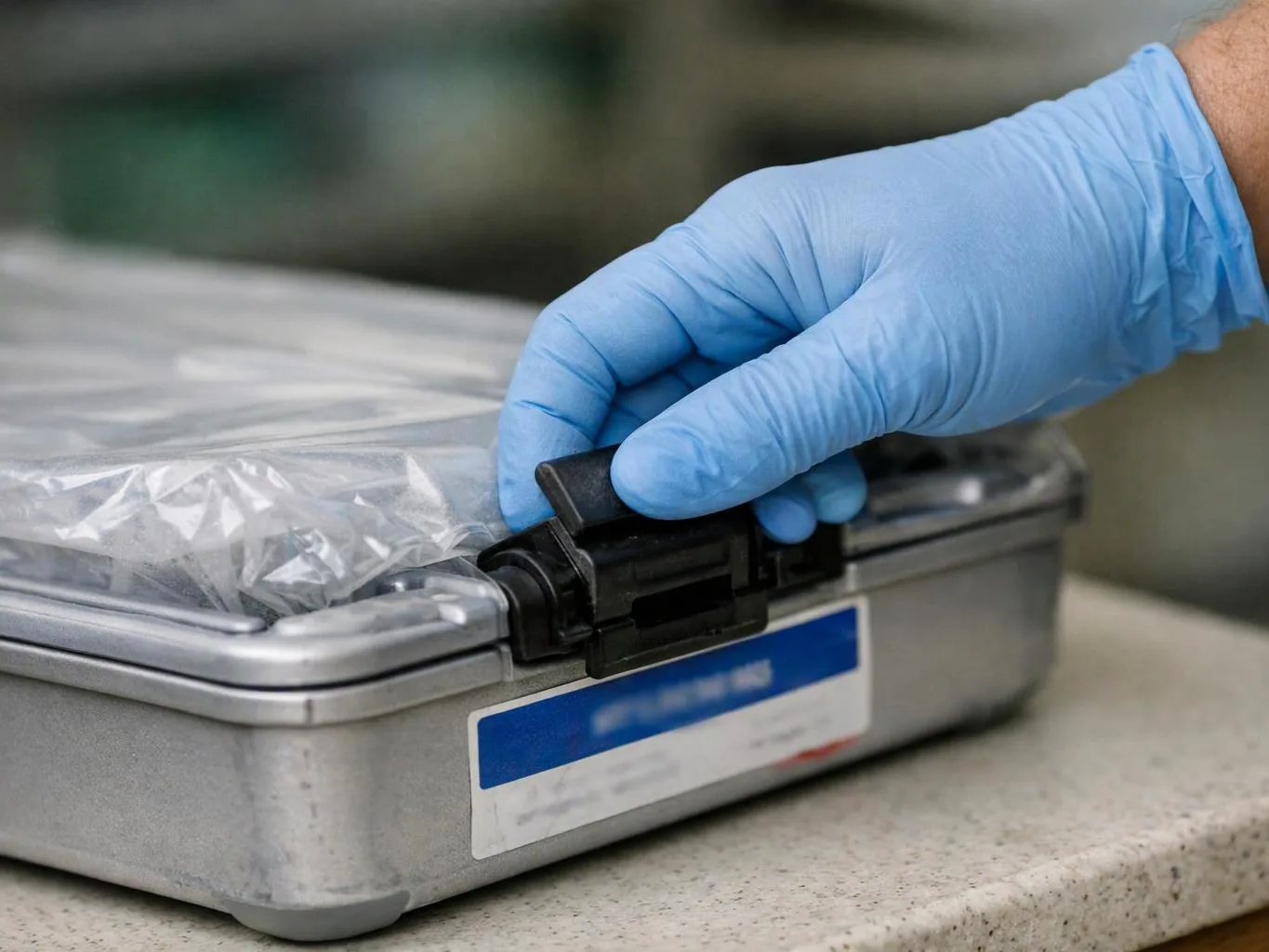
A gloved hand fastens a labeled metal container wrapped in clear plastic on a countertop

Service Overview

Sports injury treatment is a non-surgical care service that addresses pain, movement limits, and function after physical activity causes an injury.

  • This care differs from general wellness visits because the plan focuses on injury recovery, movement testing, and a gradual return to activity.
  • Our team provides sports injury care for people in Pooler as part of our coverage throughout Savannah and surrounding communities.

How we approach sports injury recovery

Assessment before activity changes

Movement testing comes before we suggest a return to harder activity. The decision rests on your symptoms, strength, flexibility, and goals, not on a preset schedule.

Clear treatment choices

We explain chiropractic adjustments, soft tissue therapy, and other conservative options before treatment. You receive a plan that matches your condition and comfort.

A useful limit to know

This service is not the right fit for every injury. Severe symptoms, major trauma, or signs of a medical emergency require medical evaluation, and we can discuss the safest next step.

Process

How we guide recovery after a sports injury

1

Review the injury history

We discuss how the injury began, which movements cause symptoms, and what activity you want to resume. We also review health history and prior care.

2

Check movement and function

We assess range of motion, flexibility, strength, and painful movement patterns. X-rays are considered if clinically indicated.

3

Set the care plan

We explain the findings and recommend a personalized treatment plan. Chiropractic adjustments or soft tissue therapy may be included when appropriate.

4

Build strength and control

The plan addresses pain control, strength recovery, and flexibility. We use activity guidance that matches your current function.

5

Review return-to-sport readiness

We check progress before you increase activity. The next step depends on symptoms, movement quality, strength, and your sport’s demands.

What sports injury care includes for your recovery

Arrowhead Clinic Chiropractor Savannah provides comprehensive Sports Injury Treatment in Pooler. Here's what you get:

  • We complete a new patient intake, health history, and physical examination.
  • We assess movement, flexibility, strength, and symptoms linked to the injury.
  • We use chiropractic adjustments and other conservative techniques when they fit your condition.
  • We discuss pain control and the movement changes that may support recovery.
  • We create an individualized care plan based on your condition and goals.
  • We review progress and adjust the plan as your function changes.

What changes when recovery has a clear plan

A focused assessment helps connect your symptoms with specific movement limits.

Pain control can make daily movement and prescribed activity easier to manage.

Strength and flexibility checks show which parts of recovery need more attention.

A gradual progression helps you make activity choices based on current function.

Personalized care plans keep treatment connected to your sport and self-care goals.

Recovery focus by activity decision

These recovery focuses describe the questions we review before activity increases.

Recovery focusWhat we checkWhy it matters
Pain controlSymptoms during daily movement and activityPain can limit safe participation and affect form
Strength recoverySupport from the muscles around the affected areaStrength helps match the demands of the sport
Flexibility testingRange of motion and stiffnessRestricted motion can change movement patterns
Gradual progressionResponse to increasing activity demandsProgress checks help guide the next activity level

The Arrowhead Clinic Chiropractor Savannah Standard

  • Thorough Consultation
  • Condition Assessment
  • Clear Care Options
  • Personalized Adjustments

Questions about sports injury recovery

When can I return to sports after injury treatment?

Functional drills can guide a return to sport when pain, strength, flexibility, and movement control support the next activity level.

We review:

  • How the injured area moves under light load.
  • Whether strength matches the activity demand.
  • Whether symptoms change during or after movement.

Return timing differs by condition, so our team uses progress findings instead of a fixed promise.

How does a sports injury visit move from the first call to the last step?

The visit moves from intake and examination to a personalized plan and progress review.
  1. We record your health history and injury details.
  2. We check movement, flexibility, strength, and symptoms.
  3. We explain findings and suitable conservative care.
  4. We review progress before activity increases.

Clear explanations come before treatment.

What does a typical appointment include after a sports injury?

A typical appointment includes a health history, examination, movement checks, and treatment planning. Chiropractic adjustments or soft tissue therapy may fit the findings. The appointment also gives you time to discuss pain, sport demands, and activity limits. X-rays are used if clinically indicated, not as an automatic step for every patient.

Which part of the recovery plan decides the scope of care?

The injury assessment decides the scope of care. Symptoms, movement limits, strength, flexibility, health history, and activity goals guide the plan. A mild movement restriction may call for a different approach than pain that affects several joints. We explain the findings before selecting conservative techniques.

How can I tell whether this care fits my injury?

Sports injury care may fit when activity-related pain or limited movement affects your function. A health history and examination help us assess suitability. Severe symptoms, major trauma, or emergency warning signs require medical evaluation instead. We discuss the safest next step when the condition falls outside chiropractic care.

Why does strength matter before I resume training?

Strength matters because weak support can change movement and increase strain during sport. We compare strength with the demands of your activity and review how symptoms respond to load. The plan may address strength recovery before higher-level movement. Individual response differs, so progress checks guide each change.

What should I bring to my first sports injury appointment?

Your injury history, current symptoms, activity goals, and prior treatment details help us assess your condition. Bring a list of current medicines and any relevant medical records if available. You should also describe which movements worsen symptoms. These details help our team build a care plan around your actual needs.
Contact

Discuss Sports Injury Treatment in Pooler

Arrowhead Clinic Chiropractor Savannah offers Free Consultations for people in Pooler who want to discuss sports-related pain, movement limits, or a careful return to activity. Schedule a consultation so our team can review your goals and explain the next step.

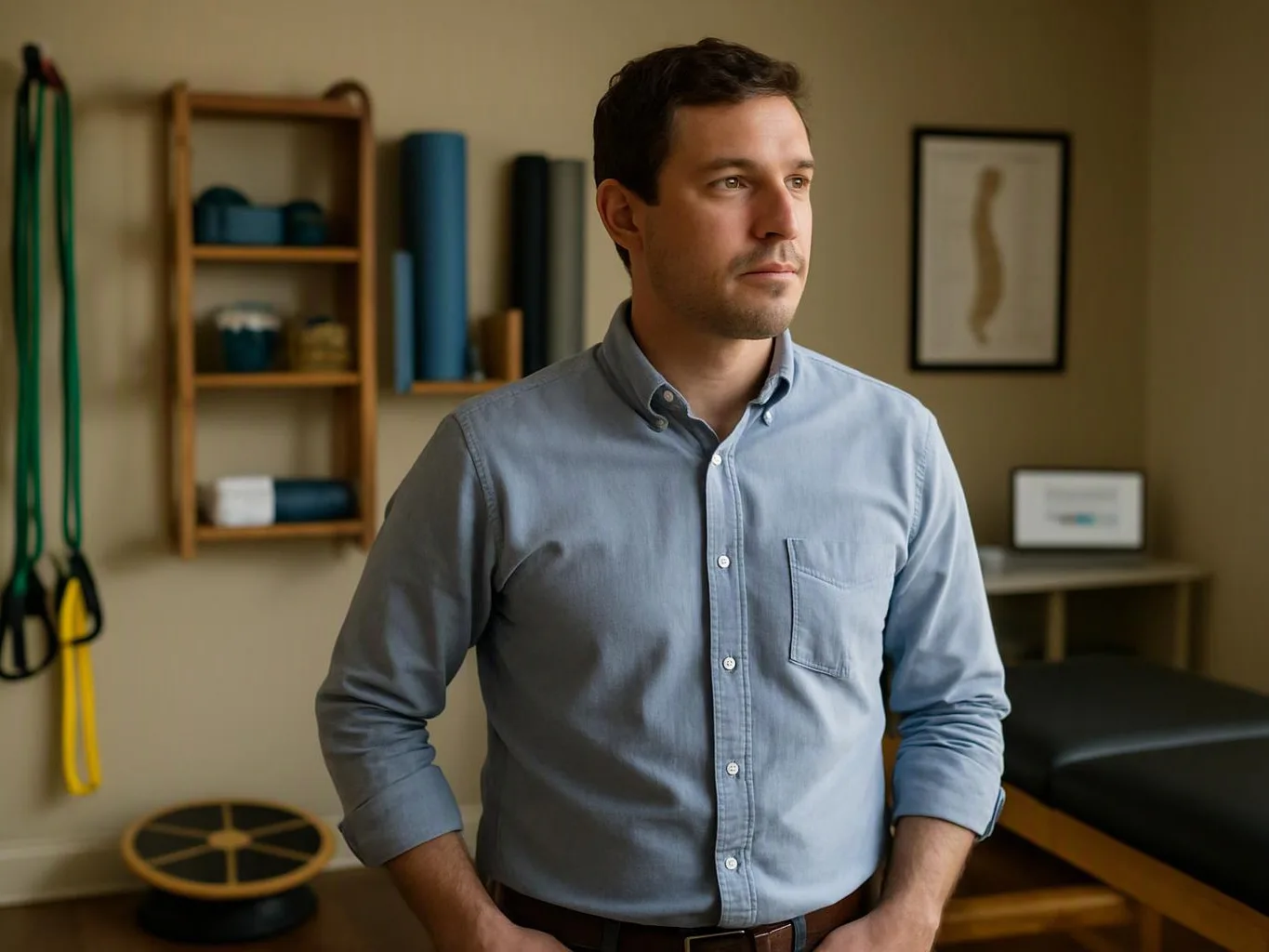
A man in a blue shirt stands in a therapy room with exercise bands, shelves, and a treatment table behind him

ZIP Codes We Serve in Pooler, Georgia

31322

The health and wellness information on this website is for general informational purposes only and is not medical advice. It does not create a provider-patient relationship. Always consult a qualified licensed provider in Savannah, Georgia, United States about your specific condition before making care decisions. Individual results vary.

(912) 378-1371