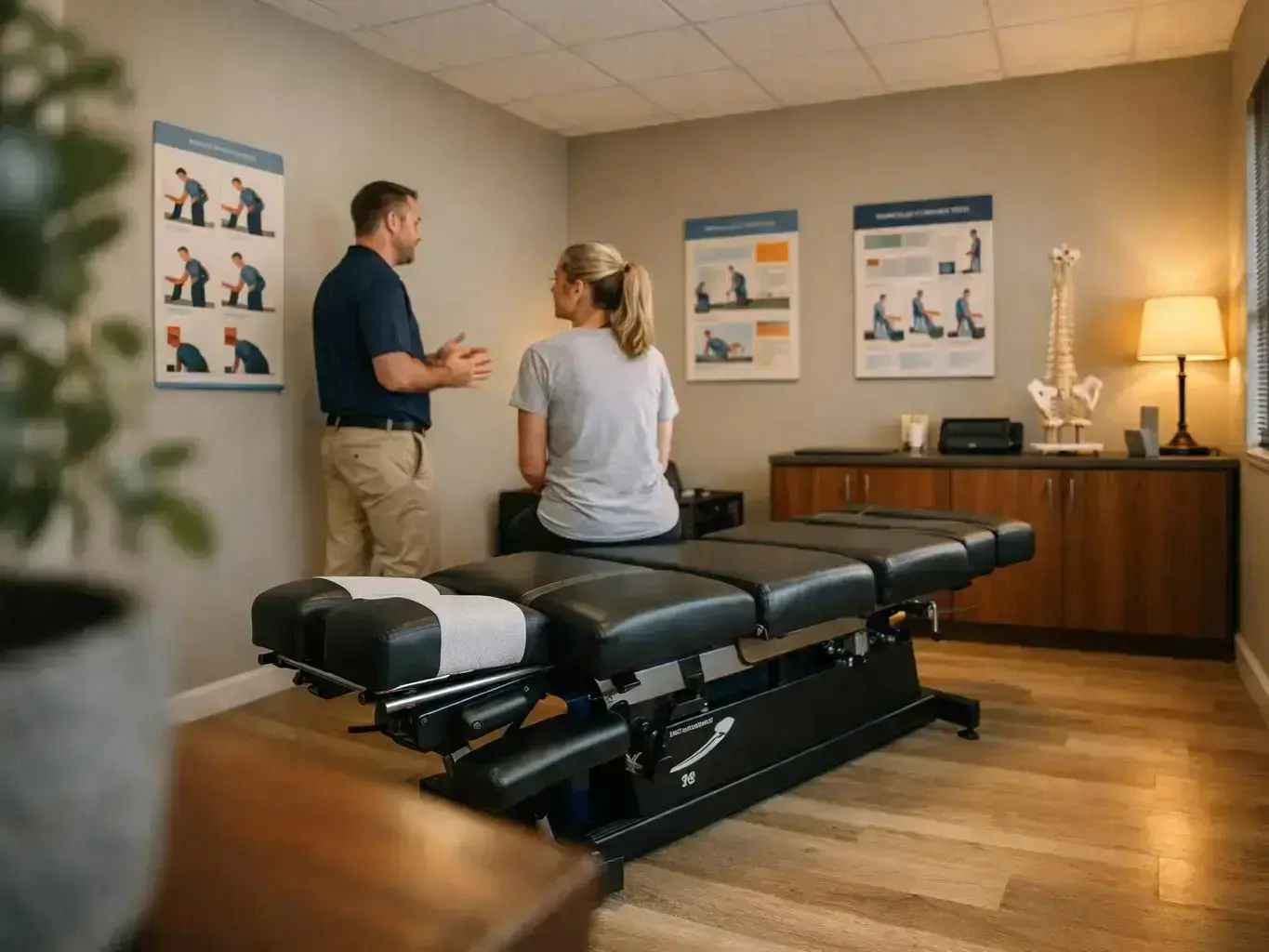
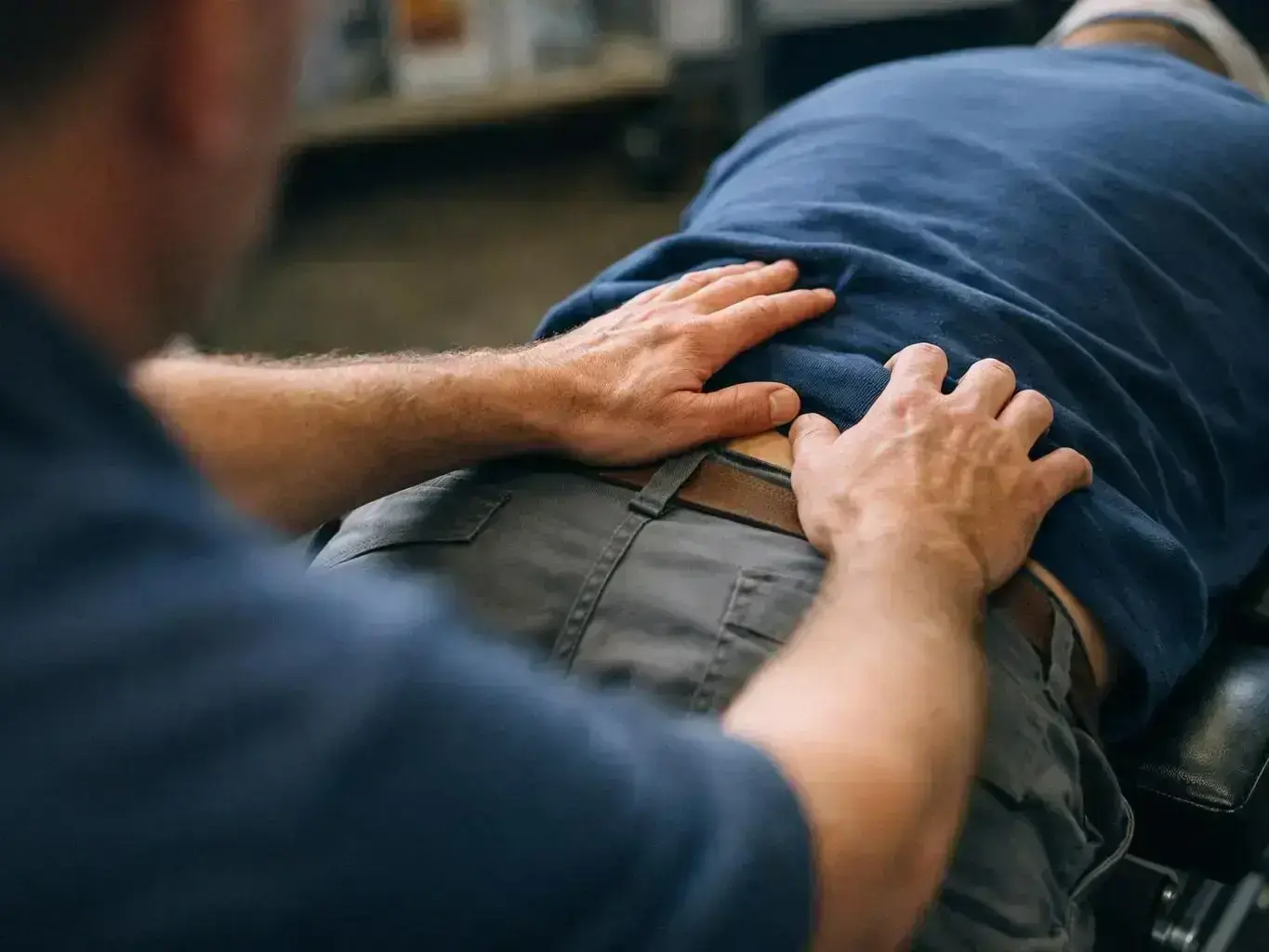
Understanding ART Certification

ART Certification is a professional credential awarded to healthcare providers who complete advanced training in Active Release Techniques (ART). ART is a patented, hands-on treatment system designed to diagnose and treat soft-tissue injuries, such as muscle strains, ligament sprains. And nerve entrapments. The certification process ensures providers can effectively identify and release adhesions—bands of scar tissue that form in muscles, nerves. Or connective tissues—using precise, targeted movements.
To earn ART Certification, providers must attend multiple levels of seminars, demonstrate proficiency in over 500 specific treatment protocols. And pass practical exams. The training covers anatomy, biomechanics. And hands-on techniques for treating conditions like carpal tunnel syndrome, plantar fasciitis. And shoulder impingement. Unlike general massage or physical therapy, ART focuses on breaking down adhesions that restrict movement and cause pain, often providing rapid relief for patients.
How ART Certification Works?
The ART Certification process begins with foundational courses that teach providers how to assess soft-tissue injuries through touch and movement. Providers learn to identify adhesions by feeling for abnormal textures in muscles, tendons. Or nerves, then apply specific manual techniques to release them. These techniques involve a combination of pressure and patient movement, which helps restore normal function and reduce pain.
Certification is divided into levels, each focusing on different body regions or conditions. For example, Level 1 covers the spine and extremities. While advanced levels address nerve entrapments, sports injuries. Or chronic conditions. Providers must renew their certification annually by completing continuing education courses, ensuring they stay updated on the latest techniques and research. This rigorous process ensures that ART-certified providers deliver consistent, high-quality care.
Why ART Certification Matters?
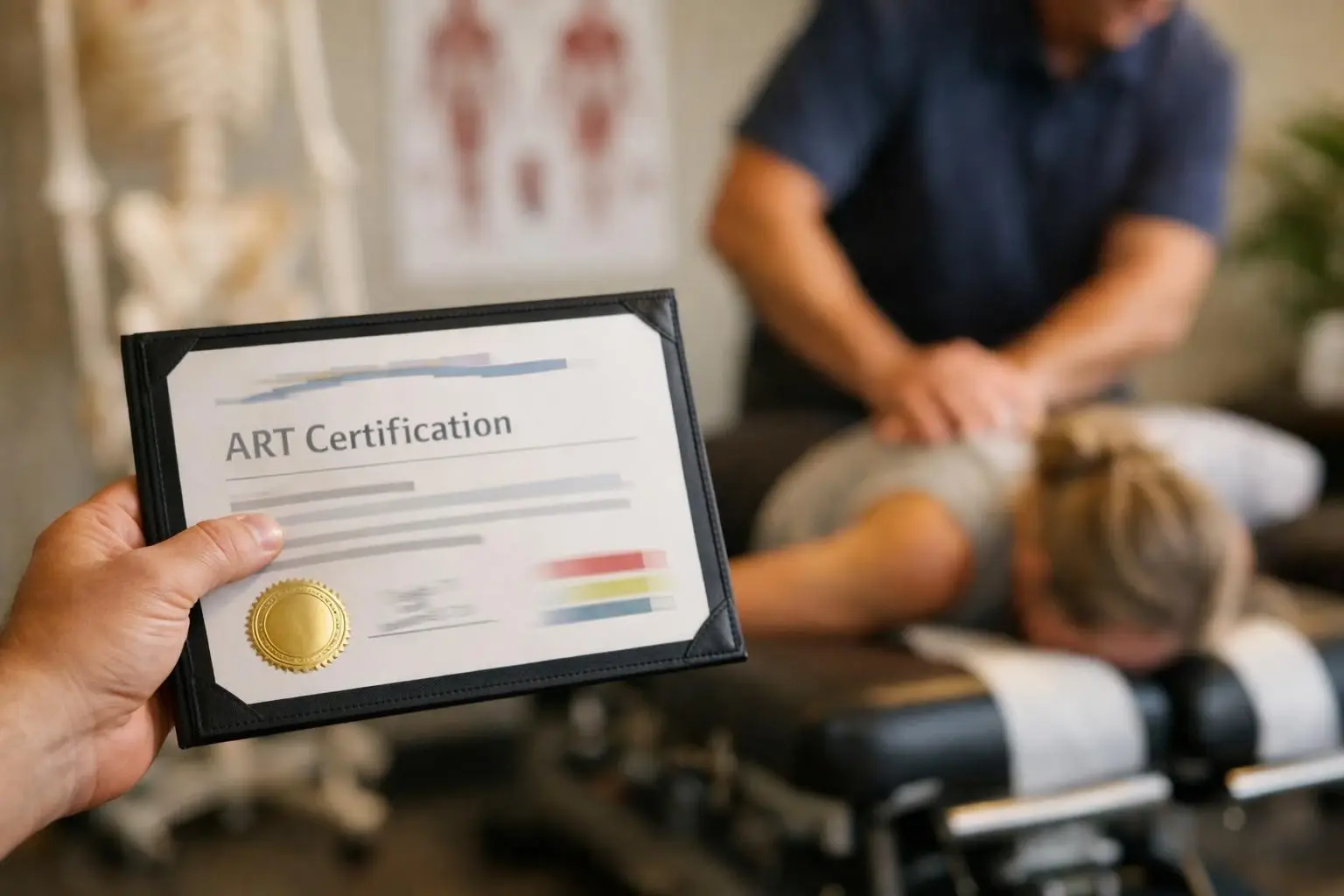
ART Certification matters because it sets a high standard for soft-tissue treatment, distinguishing providers who have invested in specialized training from those offering general therapies. Patients with conditions like sciatica, tennis elbow. Or repetitive strain injuries often seek ART-certified providers for targeted, effective relief. The certification also signals to employers, sports teams. And insurance companies that the provider has met strict competency requirements, which can be important for referrals and reimbursement.
For healthcare professionals, ART Certification enhances clinical skills and expands treatment options. It allows providers to address complex soft-tissue problems that may not respond to traditional methods, such as joint manipulation or medication. This can lead to better outcomes for patients, particularly those with chronic pain or injuries that limit mobility and quality of life.
When ART Certification Matters Most?
ART Certification is particularly valuable in situations where soft-tissue injuries cause persistent pain or dysfunction. Athletes, for example, often use ART to recover from muscle strains, tendonitis. Or overuse injuries, allowing them to return to training faster. Workers with repetitive strain injuries, such as carpal tunnel syndrome or lower back pain, may also benefit from ART-certified providers who can address the root cause of their symptoms.
ART Certification is also important for patients recovering from accidents, surgeries. Or chronic conditions like plantar fasciitis or frozen shoulder. In these cases, adhesions can form as part of the healing process, leading to stiffness, weakness. Or nerve irritation. An ART-certified provider can break down these adhesions, improving range of motion and reducing pain. And healthcare professionals working in sports medicine, rehabilitation. Or occupational health may pursue ART Certification to expand their expertise and better serve their patients.