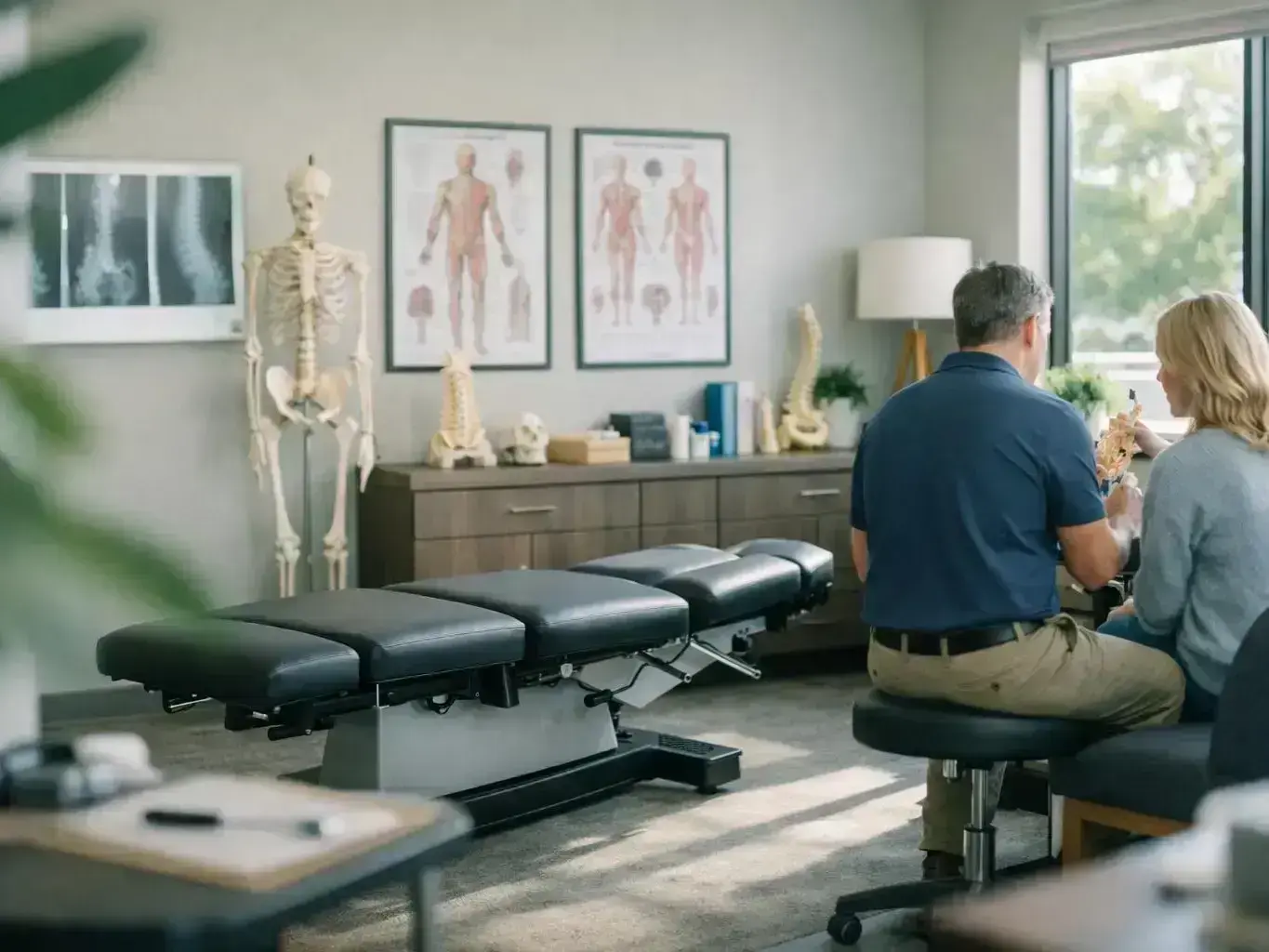
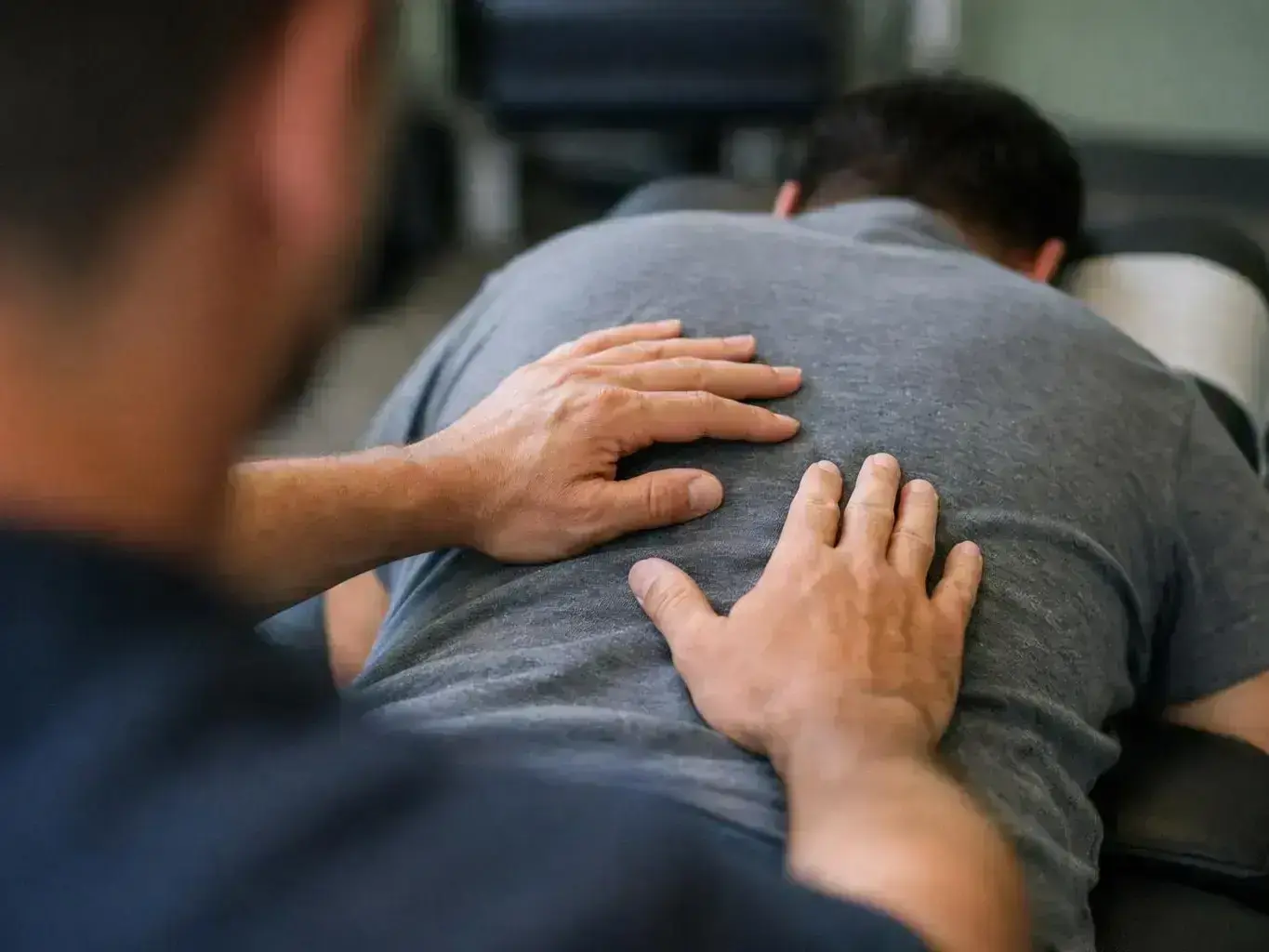
Back Pain is discomfort or soreness in the upper, middle. Or lower back, often caused by muscle strain, poor posture, injury. Or spinal issues. Back Pain can range from mild to severe and may be short-term or chronic. It affects daily activities like sitting, standing. Or lifting and is one of the most common reasons people seek medical or chiropractic care.
Category
Musculoskeletal condition
Used for
Diagnosing and treating spinal or muscle-related discomfort
Common confusion
Often mistaken for kidney pain or general fatigue
Also called
Backache, Spinal Pain
Often discussed with
Chiropractic Consultation and Diagnosis

Back Pain is a widespread condition that affects millions of people each year. It can occur in different areas of the back, including the upper, middle. Or lower regions. And may feel like a dull ache, sharp pain. Or stiffness. Back Pain can be acute, lasting a few days to weeks. Or chronic, persisting for months or even years. While it's often caused by everyday activities like lifting heavy objects or sitting for long periods, it can also result from injuries, spinal conditions. Or underlying health issues.
Related glossary terms: Disc Herniation, Spinal Adjustment, Posture Correction.
Many factors contribute to Back Pain, including muscle strain, poor posture, lack of exercise. Or sudden movements. Aging can also play a role, as spinal discs and joints may wear down over time, leading to conditions like arthritis or disc herniation. Stress and poor sleep habits can worsen Back Pain, making it important to address both physical and lifestyle factors. Understanding the root cause of Back Pain is key to finding effective treatment and prevention strategies.
Back Pain typically arises when muscles, ligaments. Or spinal structures are stressed, injured. Or misaligned. For example, lifting a heavy object incorrectly can strain the muscles and ligaments in the lower back, leading to acute pain. Poor posture, such as slouching while sitting, can place extra pressure on the spine and surrounding muscles, causing discomfort over time. In some cases, Back Pain may stem from spinal issues like herniated discs, which occur when the soft cushions between vertebrae bulge or rupture, pressing on nearby nerves.
A common issue is Back Pain can also be influenced by how the body moves and functions. For instance, weak core muscles may fail to support the spine properly, increasing the risk of strain. Tight muscles, especially in the hips or hamstrings, can pull on the lower back, contributing to pain. Conditions like spinal stenosis, where the spinal canal narrows, can compress nerves and cause radiating pain into the legs. Measuring Back Pain often involves assessing its location, severity. And how it affects daily activities, such as bending, walking. Or sleeping.

Back Pain is more than just an inconvenience—it can significantly impact quality of life. Severe or chronic Back Pain may limit mobility, making it difficult to perform everyday tasks like carrying groceries, playing with children. Or even getting out of bed. It can also lead to missed workdays or reduced productivity, affecting both personal and professional life. For some people, Back Pain becomes a persistent issue, leading to frustration, anxiety. Or depression if not properly managed.
Addressing Back Pain early can prevent it from becoming a long-term problem. Ignoring symptoms or relying on temporary fixes, like pain medication, may provide short-term relief but often fails to address the underlying cause. Proper treatment, such as chiropractic care, physical therapy. Or lifestyle changes, can help restore function, reduce pain. And improve overall well-being. Understanding the importance of Back Pain management can empower individuals to take proactive steps toward better spinal health.
Back Pain becomes particularly important in certain situations, such as after an injury, during pregnancy. Or when it interferes with daily activities. For example, someone who experiences sudden, severe Back Pain after a fall or car accident should seek immediate medical attention to rule out fractures or other serious conditions. Similarly, individuals with chronic Back Pain may need ongoing care to manage symptoms and prevent flare-ups, especially if their job involves physical labor or prolonged sitting.
Back Pain also matters when it accompanies other symptoms, such as numbness, tingling. Or weakness in the legs, which may indicate nerve compression. In these cases, early intervention can prevent further damage and improve outcomes. And people with a history of Back Pain may need to take extra precautions during activities like exercise, travel. Or household chores to avoid re-injury. Recognizing when Back Pain requires attention can help individuals make informed decisions about their health and seek appropriate care.
Neck Pain affects the upper spine and shoulders. While Back Pain involves the middle or lower back. Both can result from poor posture or injury but require different treatment approaches.
Sciatica is a type of Back Pain caused by irritation of the sciatic nerve, often leading to pain that radiates down the leg. Not all Back Pain involves sciatica.
Back Pain is rarely caused by a single factor. A thorough evaluation often reveals a combination of muscle imbalances, joint dysfunction. And lifestyle habits contributing to the condition.
After lifting a heavy box incorrectly, a person feels a sharp pain in their lower back that worsens when standing or walking. They visit a chiropractor, who identifies muscle strain and spinal misalignment as the cause and recommends adjustments and stretches to relieve the pain.
Disc Herniation is a spinal condition where the soft, gel-like center of a spinal disc pushes through a tear in the disc’s tough outer layer. This can irritate nearby nerves, causing pain, numbness. Or weakness in the back, neck, arms. Or legs. Disc herniation often occurs in the lower back or neck and is commonly linked to aging, injury.
Spinal Adjustment is a precise manual procedure performed by a licensed chiropractor to restore proper alignment and mobility to the spine. Using controlled force, the chiropractor applies a quick, gentle thrust to specific vertebrae, often producing a popping sound as joints release gas. This process aims to reduce pain, improve function.
Posture Correction is the process of identifying, adjusting. And retraining the body’s alignment to reduce strain on muscles, joints. And nerves. It involves exercises, ergonomic changes. And manual therapies to improve how a person stands, sits.
Nerve Compression is a condition where surrounding tissues, such as bones, cartilage, muscles. Or tendons, press against a nerve. This pressure disrupts the nerve’s normal function, causing pain, tingling, numbness. Or weakness in the affected area. Common sites include the spine, wrists. And elbows, often resulting from injury, repetitive motion.
Arrowhead Clinic Chiropractor
Contact Arrowhead Clinic Chiropractor for practical guidance on Back Pain and related chiropractor work in Savannah.