Understanding Ergonomic Assessment
An ergonomic assessment checks how people work. It looks at chairs, desks. And tools. It also looks at how tasks are done.
This helps find ways to cut stress on the body. Stress comes from bad posture or doing the same thing over and over. Too much force can also cause stress.
For example, sitting too long with no back support hurts. A keyboard in the wrong spot can hurt your wrists. The assessment finds these problems.
Then it helps make a workspace that fits your body. This cuts the chance of getting hurt.
Many think ergonomics is just about fancy chairs. Or standing desks that cost a lot. But it's often simple, cheap fixes.
Raise or lower your chair a bit. Put your screen at eye level. Use a footrest. These small changes help a lot.
Ergonomic checks work for any place people work. Offices, factories. Or hospitals. Even home desks.
The goal is to fit the space to you. Not make you fit the space.
How Ergonomic Assessment Works?
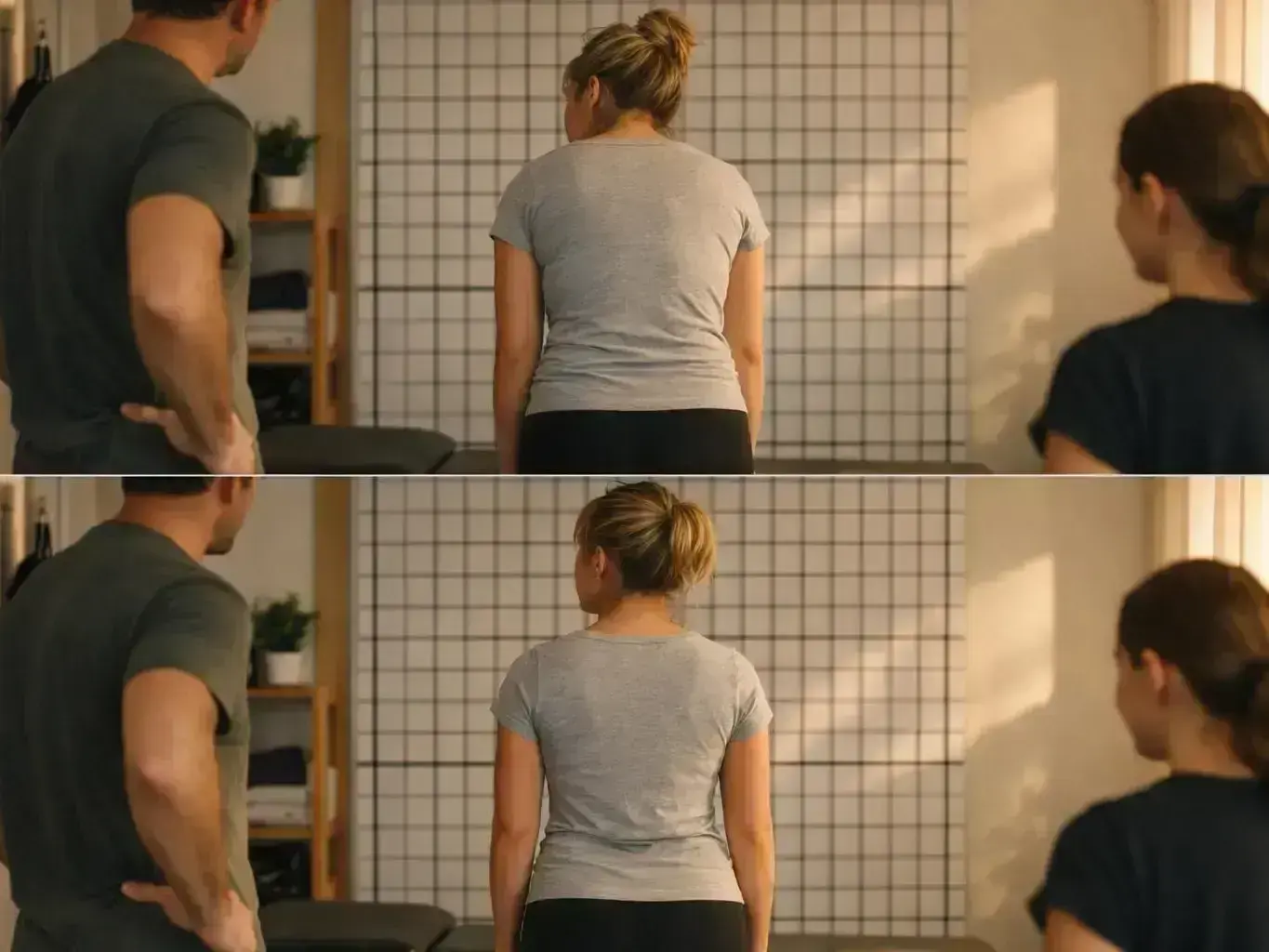
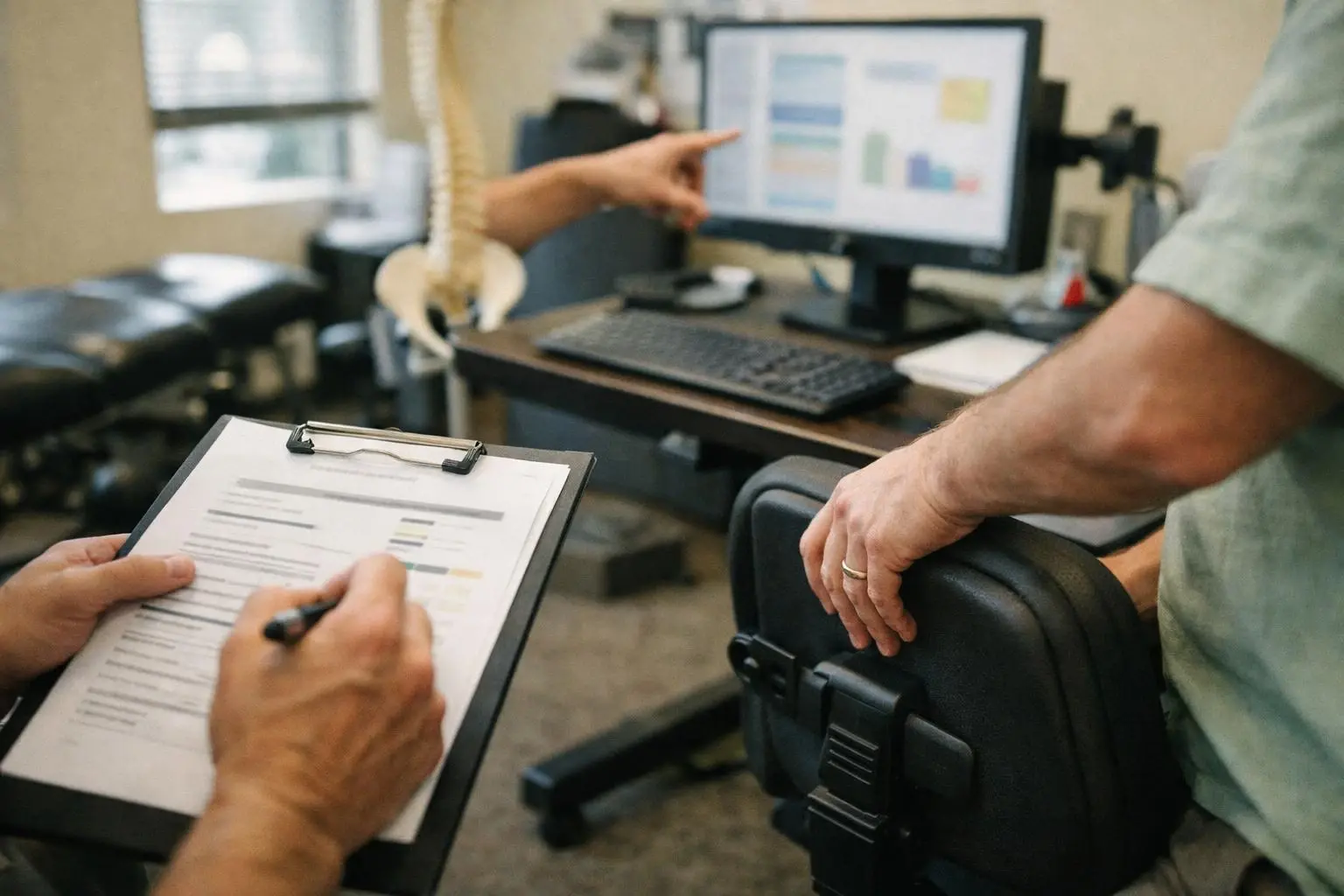
An ergonomic assessment starts by watching you work. A trained pro checks how you do tasks.
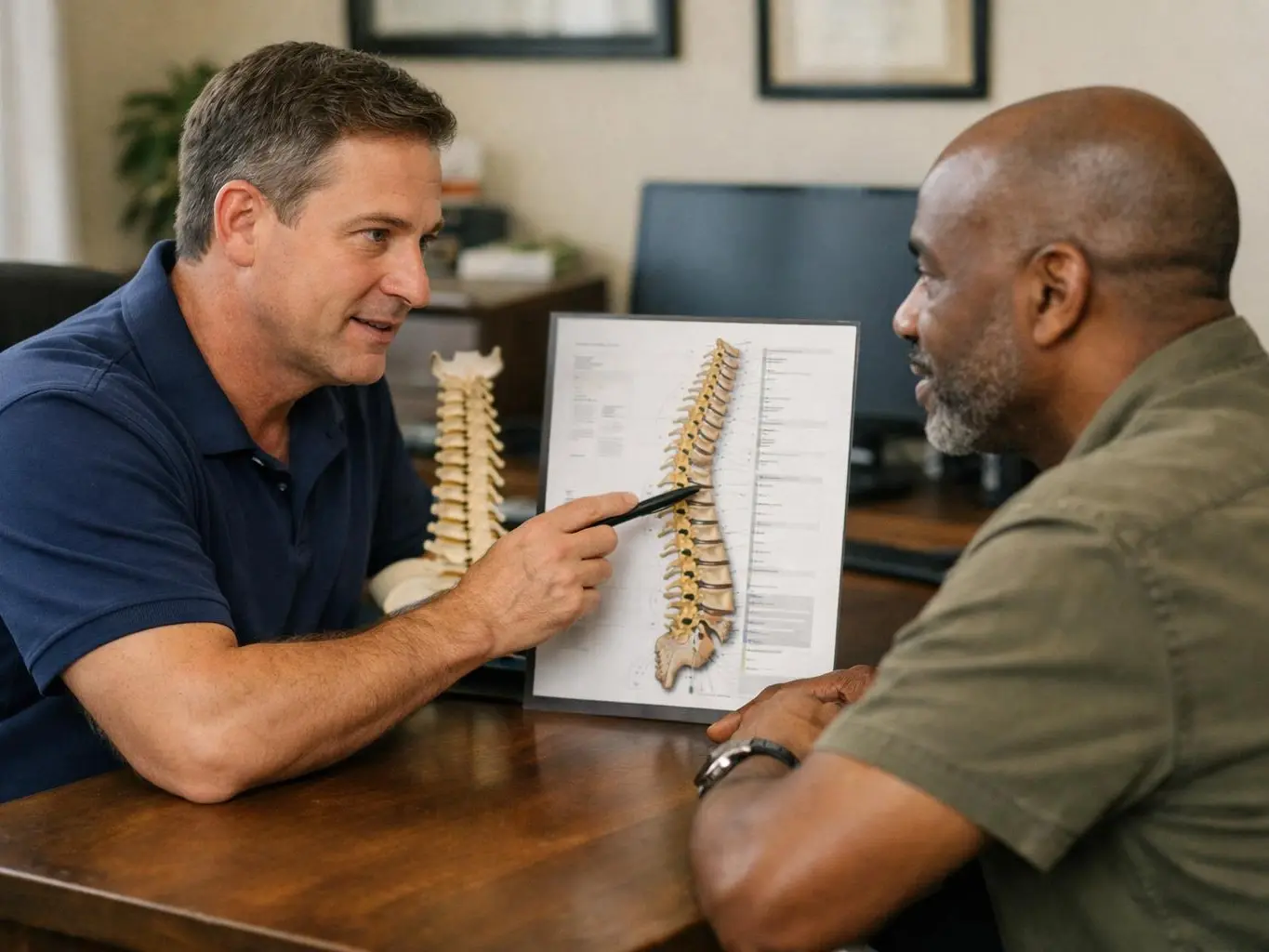
They might be a chiropractor (a back doctor) or an ergonomist (a work-space expert). They watch you and ask about pain.
They measure your desk, screen. And chair. They check if your feet touch the floor. They see if your elbows bend right when you type.
They use lists or tools to check your posture. They look at how you move and use tools. This helps find ways to make your space better.
After gathering info, they give tips. These might be to raise your chair or move your screen.
They could tell you to use a wrist rest. Or take breaks to stretch. These are small, easy changes.
Sometimes they suggest special gear. Like a chair that moves up and down. Or a tray for your keyboard. But these aren't always needed.
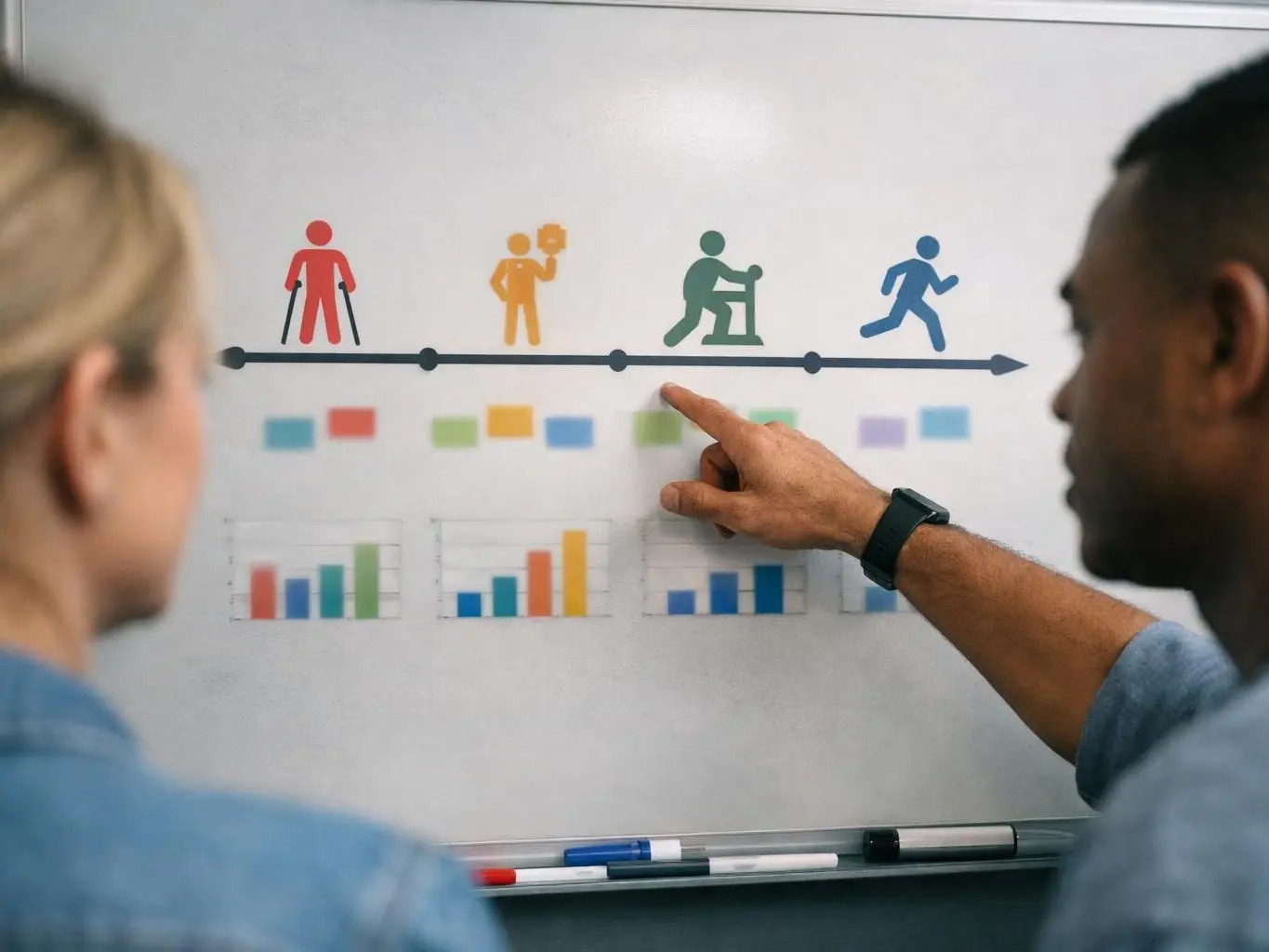
The goal is to cut strain on your body. In some cases, they check back later. They see if the changes helped or if more are needed.
Why Ergonomic Assessment Matters?
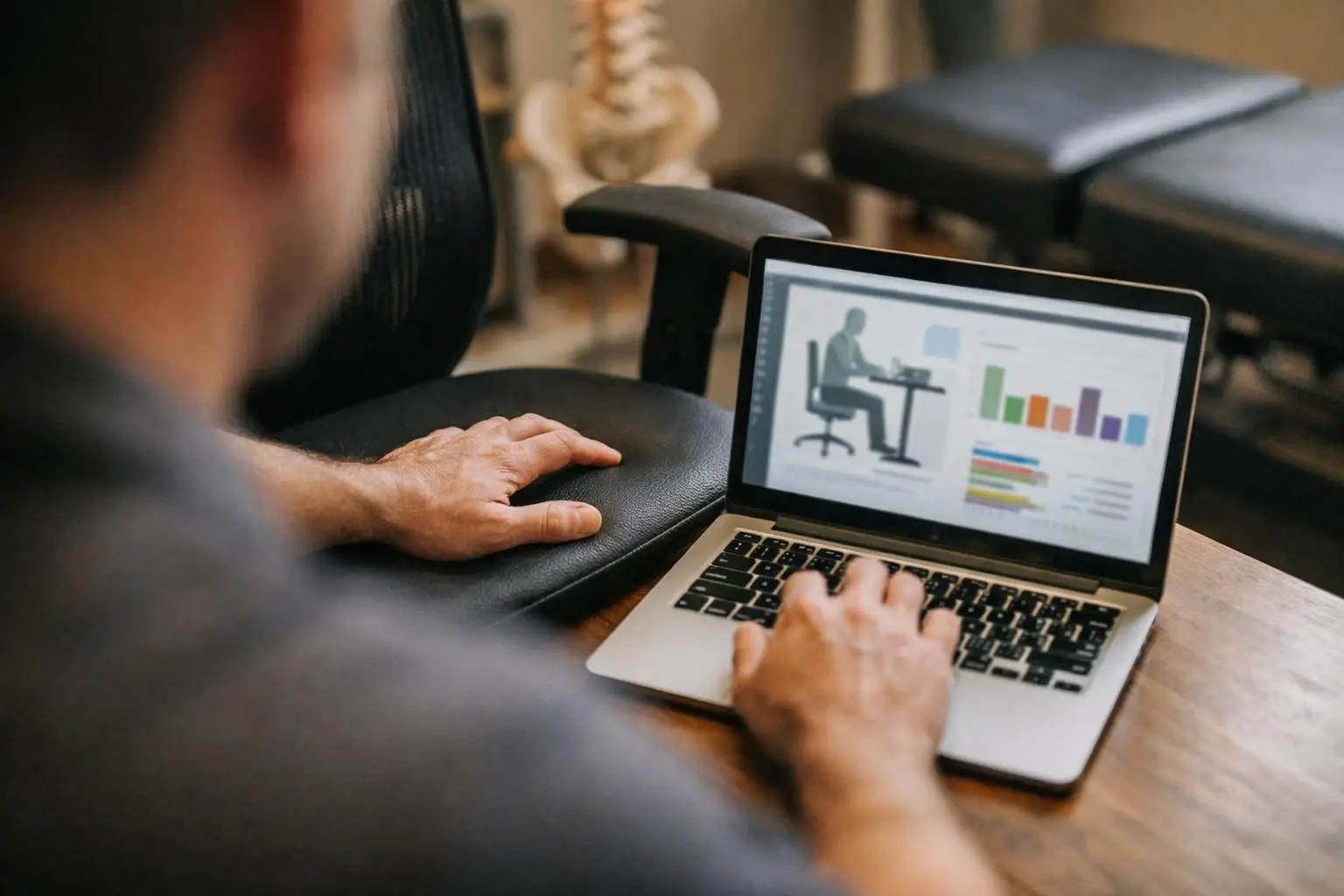
Ergonomic assessments help stop injuries. Bad posture and doing the same thing hurts over time.
These can cause carpal tunnel (wrist pain) or back pain. They can also cause tendonitis (swollen tendons).
These injuries hurt. They can make you miss work. They can lower how much you get done. They can also raise health costs.
Fixing ergonomic problems early helps. You and your boss can avoid these issues. This makes work healthier.
For example, bad back support can cause pain. A simple chair fix can help. This makes you more comfy.
Ergonomic fixes also help you work better. A comfy space lets you focus. You can work faster and feel happier.
Small changes like better light help too. Or tools that are easy to reach. These cut tiredness and frustration.
Over time, these fixes help you do better. They make work feel nicer. For bosses, this can cut injury claims. It can also help keep workers.
When Ergonomic Assessment Matters Most?
Ergonomic checks matter for long, repeat tasks. This includes office workers at desks.
It also includes factory workers with tools. Or nurses who lift patients.
They help after an injury too. Or if someone has neck, shoulder. Or wrist pain.
For example, a worker with back pain needs a check. The check can find if their chair or desk is bad.
Fixing these early stops the pain from getting worse.
Ergonomic checks also help with new spaces or tools. If a company gets standing desks, workers need help.
The check makes sure they set them up right. This stops new pains.
If a worker lifts heavy things, a check teaches safe ways. This stops back injuries.
In Savannah, GA, many jobs need ergonomic checks. Shipping, healthcare. And factories are common here.
These checks help workers stay safe and comfy.