Understanding Neck Pain

Neck Pain refers to any discomfort, ache. Or sharp sensation in the area between the base of the skull and the upper shoulders. This region, known as the cervical spine, consists of seven vertebrae, muscles, ligaments. And nerves that support the head and allow movement. Neck Pain can be temporary, lasting a few days. Or chronic, persisting for weeks or longer. It may feel like stiffness, soreness. Or a sharp stabbing pain, often worsened by movement or prolonged positions like sitting at a desk.
The causes of Neck Pain vary widely. Muscle strain from poor posture, repetitive motions. Or sleeping in an awkward position is a common trigger. Injuries, such as whiplash from a car accident, can also damage the soft tissues or vertebrae in the neck. Other causes include joint wear and tear, nerve compression. Or underlying conditions like arthritis. Stress and tension can contribute by causing muscle tightness. While prolonged screen use often leads to forward head posture, straining the neck muscles.
How Neck Pain Works?
Neck Pain typically arises when structures in the cervical spine become irritated, inflamed. Or misaligned. Muscles may tighten in response to strain, creating knots or trigger points that refer pain to other areas. Joints between vertebrae can lose proper alignment, restricting movement and causing stiffness. Nerves exiting the spinal cord may become compressed, leading to radiating pain, numbness. Or tingling down the arms. Over time, poor posture or repetitive stress can weaken supporting muscles, making the neck more vulnerable to injury and pain.
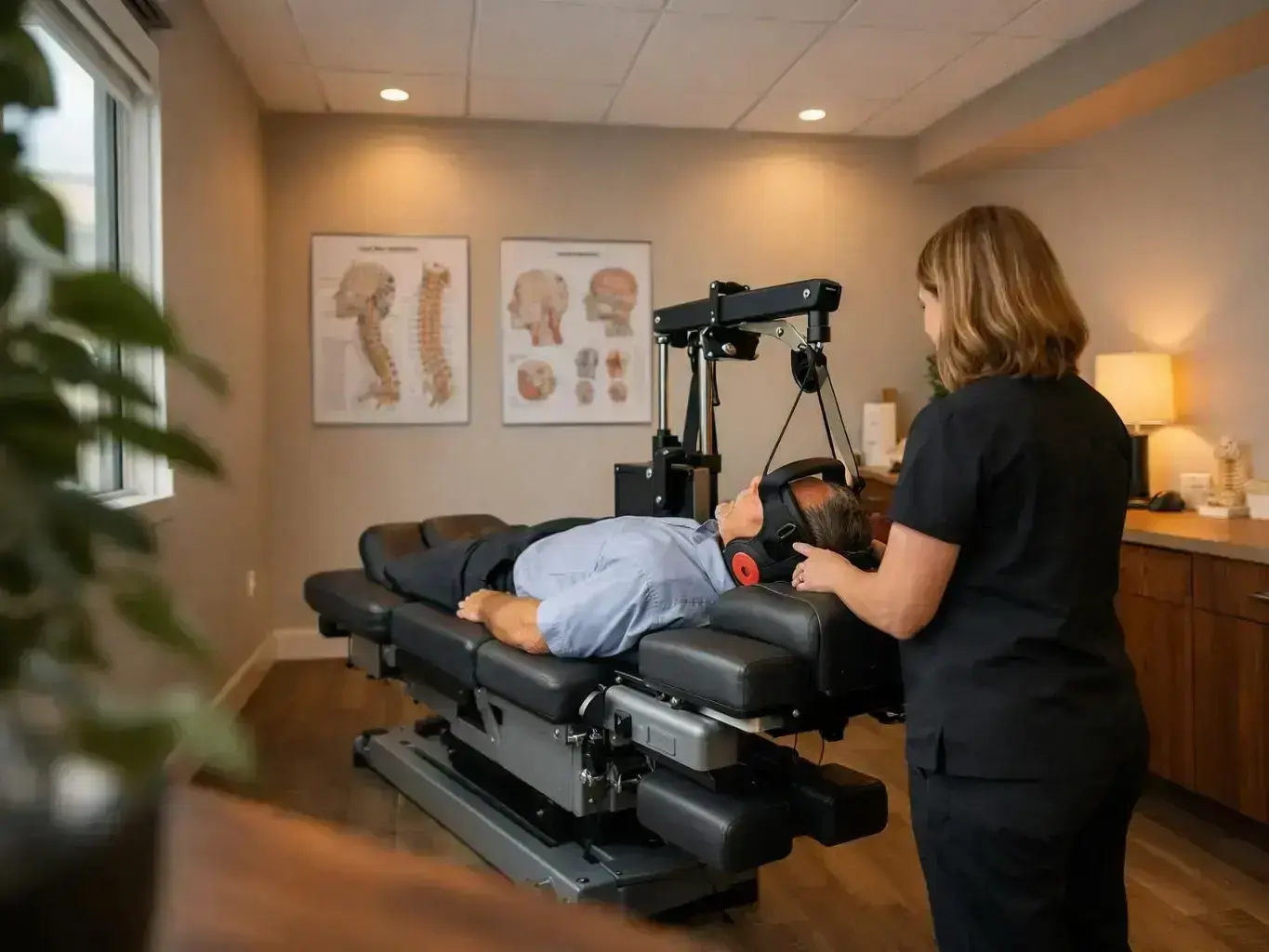
Healthcare providers assess Neck Pain through physical exams, reviewing medical history. And sometimes imaging tests like X-rays or MRIs. They evaluate range of motion, tenderness. And neurological symptoms to pinpoint the source. Treatment often starts with conservative approaches, such as rest, ice or heat therapy, gentle stretches. And over-the-counter pain relievers. If pain persists, professional interventions like chiropractic adjustments, physical therapy. Or ergonomic modifications may be recommended to restore function and reduce discomfort.
Why Neck Pain Matters?

Neck Pain matters because it can significantly impact quality of life and daily functioning. Even mild discomfort can make it difficult to concentrate, drive safely. Or sleep well. Chronic Neck Pain may lead to headaches, reduced mobility. Or radiating symptoms into the shoulders and arms, affecting work productivity and physical activity. Left untreated, some causes of Neck Pain, such as nerve compression or joint degeneration, can worsen over time, leading to long-term disability or the need for more invasive treatments.
Many projects start with Addressing Neck Pain early helps prevent complications and promotes faster recovery. Simple lifestyle changes, like improving posture, taking breaks from screen use. And incorporating neck stretches, can reduce strain. For persistent or severe pain, professional evaluation ensures accurate diagnosis and targeted treatment, helping individuals return to pain-free movement and activities.
When Neck Pain Matters Most?
Neck Pain becomes particularly important in situations where it interferes with safety, work performance. Or overall well-being. For example, drivers experiencing Neck Pain may struggle to turn their heads to check blind spots, increasing the risk of accidents. Office workers with chronic discomfort may find it harder to focus or complete tasks efficiently. Athletes or active individuals may notice reduced performance or increased injury risk due to limited neck mobility.
Neck Pain also warrants attention after traumatic events, such as car accidents or falls, where whiplash or other injuries may not be immediately apparent. Sudden onset of severe pain, numbness. Or weakness in the arms can signal serious conditions like a herniated disc or nerve damage, requiring prompt medical evaluation. And individuals with jobs involving heavy lifting, repetitive motions. Or prolonged sitting should monitor Neck Pain to prevent long-term strain and maintain workplace safety.