Understanding Soft Tissue Therapy

Soft Tissue Therapy helps your body’s soft parts. It works on muscles, tendons, ligaments. And fascia (a thin tissue layer).
It’s not like chiropractic care. Chiropractic care fixes joints and bones. Soft Tissue Therapy fixes muscles and tissues.
The goal is to ease pain. It also makes you more flexible. It helps your body work normally again.
This therapy loosens tight muscles. It breaks up scar tissue. It helps blood flow better too.
People use it for muscle strains. It helps with tendonitis (tendon swelling). It works for injuries from repeating motions.
It’s good for long-term pain. Like back pain or stiff necks. These often come from tight or tired muscles.
This therapy isn’t just for relaxing. It’s a clinical (medical) way to fix muscle problems. These problems can stop you from doing daily tasks.
How Soft Tissue Therapy Works?
Soft Tissue Therapy uses hands-on methods. It works on your body’s soft parts.
One way is deep tissue massage. This uses firm pressure. It reaches deep muscle layers and fascia.
It breaks up adhesions. These are painful, stiff bands. They form after injuries or overuse.
Another way is myofascial release. This uses gentle, steady pressure. It stretches and loosens fascia (the tissue around muscles).
Trigger point therapy is also used. It presses tight muscle spots. This eases pain that spreads to other areas.
Stretching helps too. It makes you more flexible. Some therapists use tools like foam rollers.
They may also use special tools. These make the therapy work better. The method depends on your pain and goals.
This therapy often works with other treatments. Like chiropractic care. A chiropractor may use it first.
They relax tight muscles. Then they adjust your joints. This makes the adjustment easier and more comfortable.
Together, they fix bones, joints, muscles. And tissues. This helps with pain and movement.
Why Soft Tissue Therapy Matters?
Soft Tissue Therapy helps with healing. It also manages pain. Soft tissues help you move.
Muscles, tendons. And ligaments can get tight. They can get hurt or swollen. This causes pain and stiffness.
It can even hurt your joints. Therapy fixes these issues. You’ll move better and feel less pain.
It also stops more injuries. Athletes love this therapy. It helps them recover faster.
It lowers the chance of overuse injuries. It keeps muscles loose and ready. This helps them perform better.
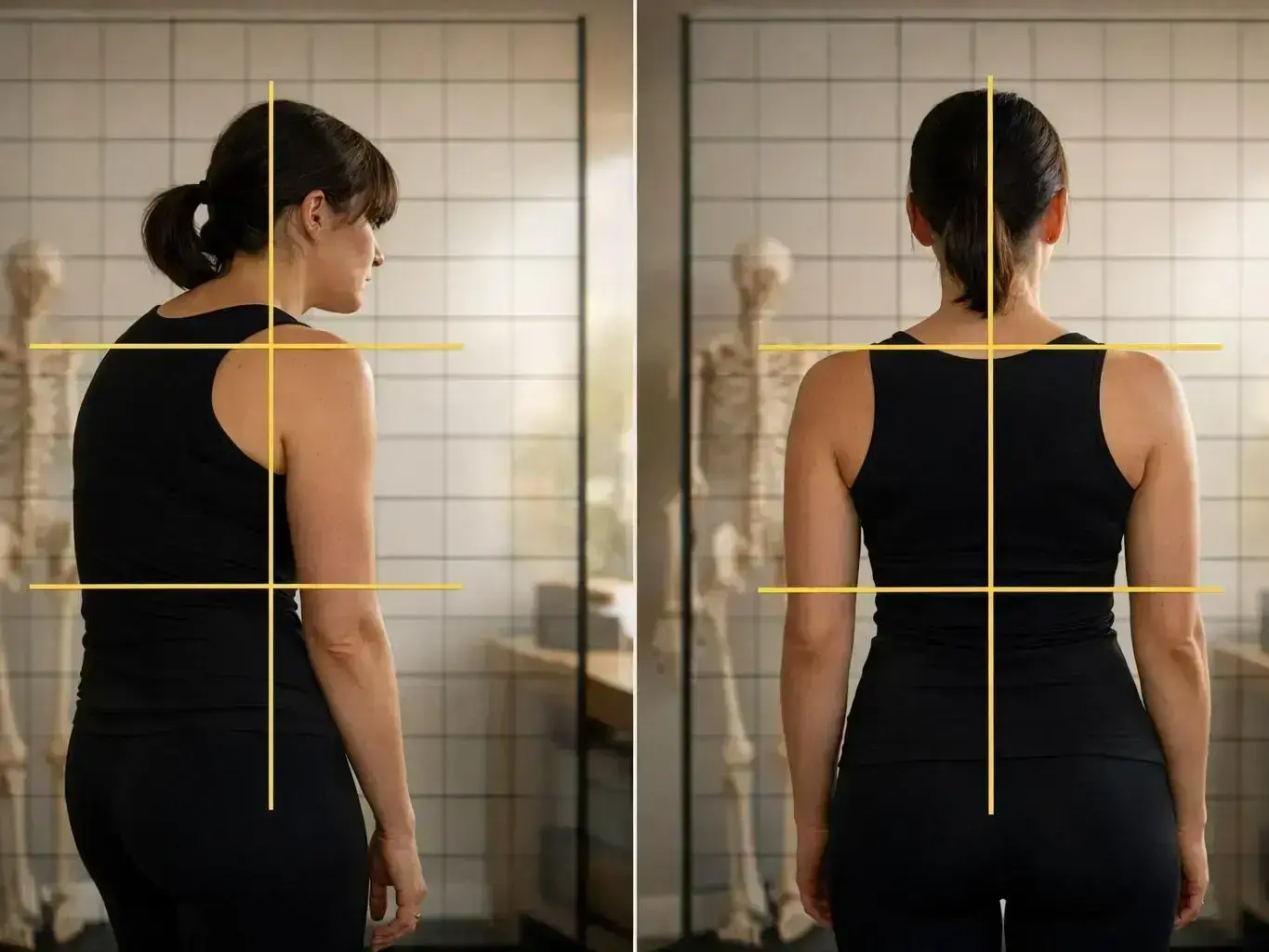
People who sit a lot can use it too. It eases stiffness from sitting too long. It helps with bad posture.
It doesn’t use drugs or surgery. So it’s safe for most people. Even those who can’t take medicine.
When Soft Tissue Therapy Matters Most?
Soft Tissue Therapy helps when pain stops daily tasks. It improves your life.
It helps after sports injuries. Or car accidents. Or strains from work.
It reduces swelling. It helps you move better. It speeds up healing.
It works for long-term issues too. Like sciatica (nerve pain). Or plantar fasciitis (foot pain).
Or tension headaches. Tight muscles cause these. Therapy can help.
It eases muscle knots. It helps stiffness from sitting too long. It makes bending and reaching easier.
Athletes use it before big games. Or after hard workouts. It’s made just for you.
So it helps with many muscle problems. In Savannah, GA, people stay active. They have sports and tough jobs.
This therapy keeps them pain-free. It works with other treatments. Like chiropractic care or physical therapy.
This helps you stay healthy for a long time.