Understanding Whiplash Associated Disorders
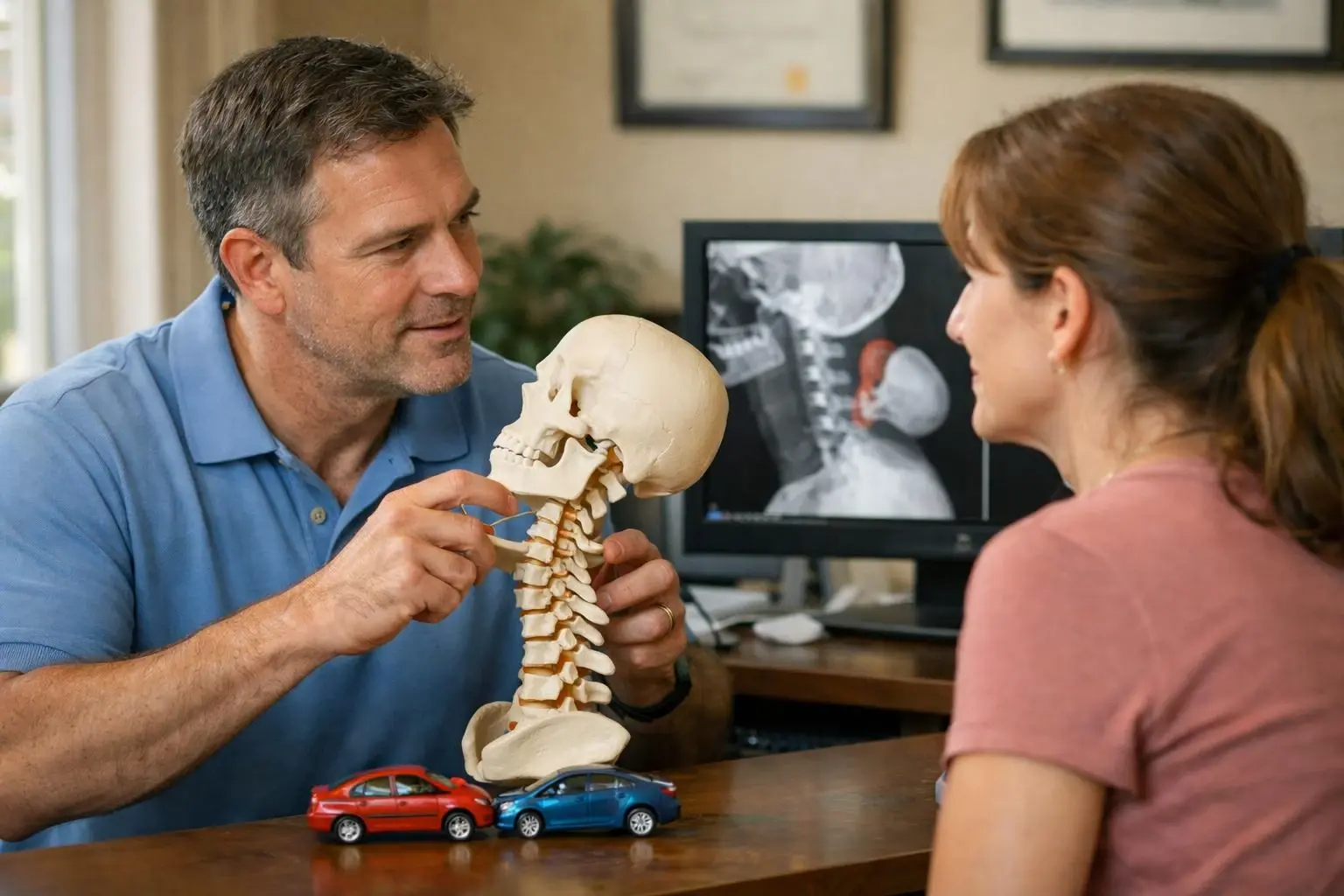
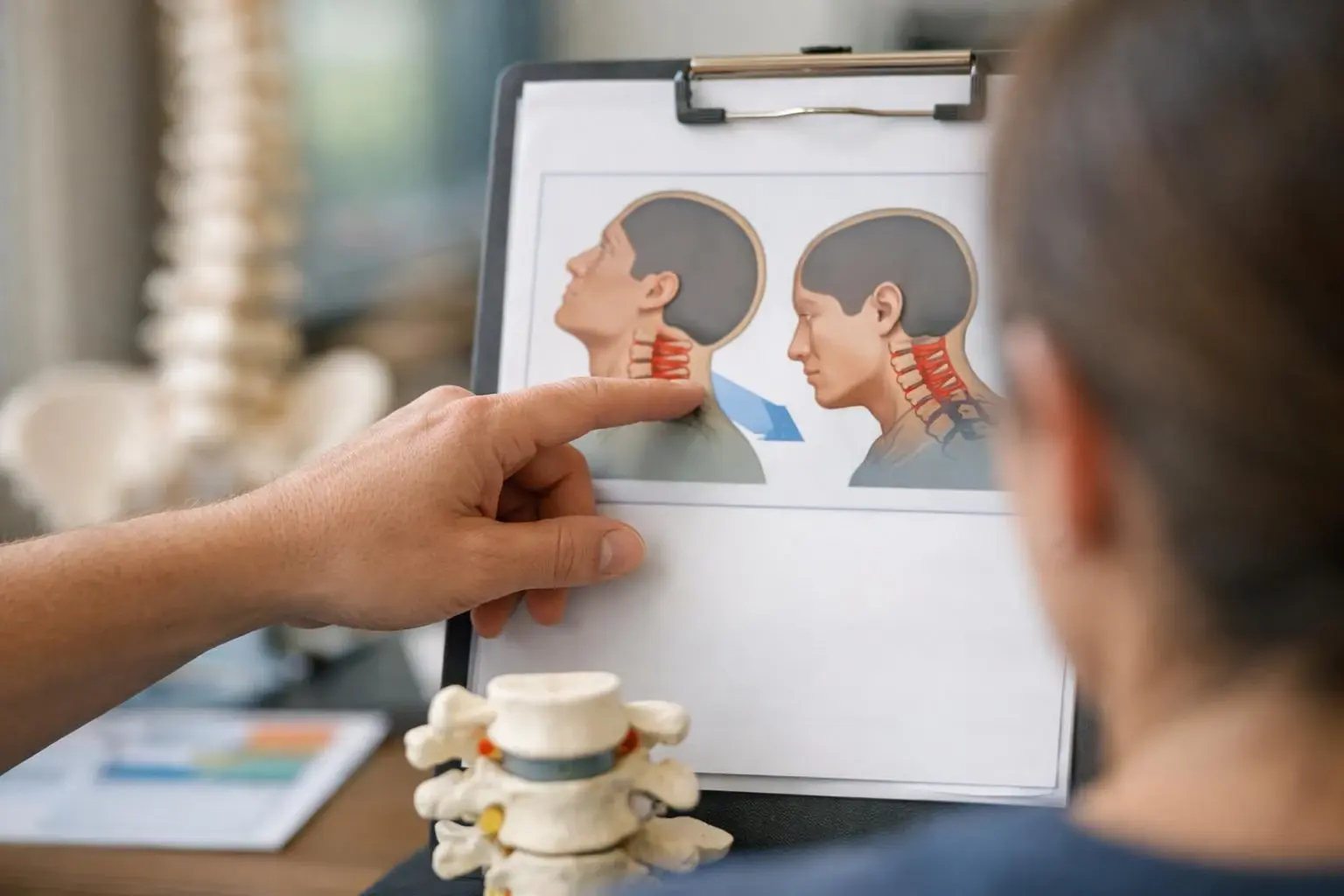
Whiplash hurts your neck. It happens when your neck jerks back and forth fast. This can stretch or tear muscles and soft parts.
This quick move is called a whiplash injury. It often happens in car crashes. But it can also happen in sports, falls. Or fights.
The force pulls your neck too far. This causes pain and stiffness. You might not feel it right away.
Whiplash can cause more than neck pain. You may get headaches. They often start at the base of your skull.
You might feel dizzy or see blurry. You could feel tired. Your arms may tingle or feel numb.
Some people can't focus. Others forget things. Some feel cranky. These signs may take days to show.
How Whiplash Associated Disorders Works?
Your neck takes most of the force. The muscles and soft parts can stretch too far. They might even tear.
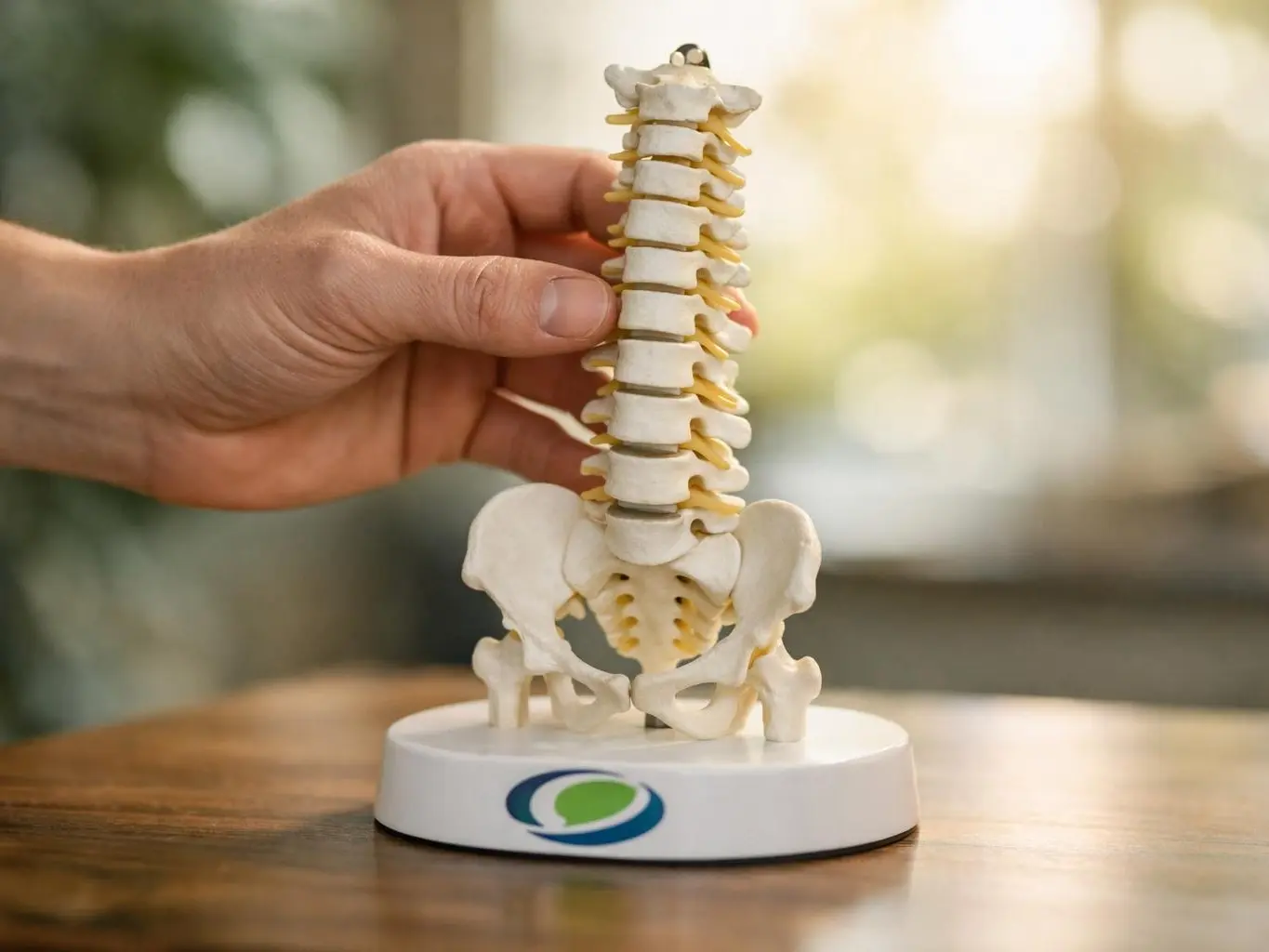
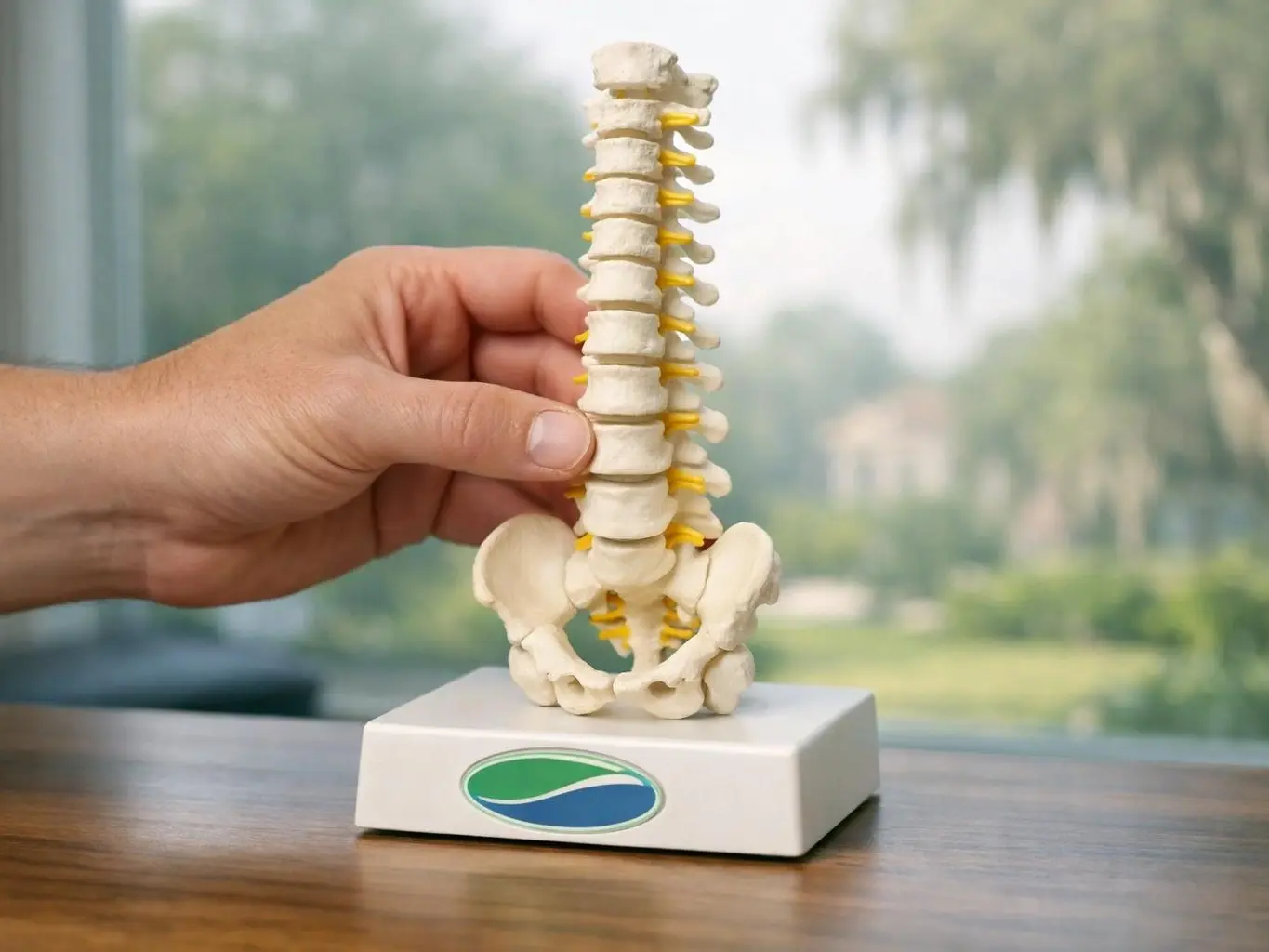
This causes swelling and pain. The neck bones can also get hurt. These bones are called vertebrae.
In bad cases, nerves get squeezed. The discs between bones can get hurt too. This makes pain worse.
Doctors check for whiplash. They look at your neck and ask about your health. They may take pictures of your neck.
X-rays, CT scans. Or MRIs help. These pictures show broken bones or disc problems. They help rule out bad injuries.
The doctor checks how bad the damage is. They look at your symptoms. This helps plan your treatment.
First, rest helps. Ice and pain pills can too. They cut down swelling.
Next, gentle stretches may help. So can physical therapy. These help your neck move better.
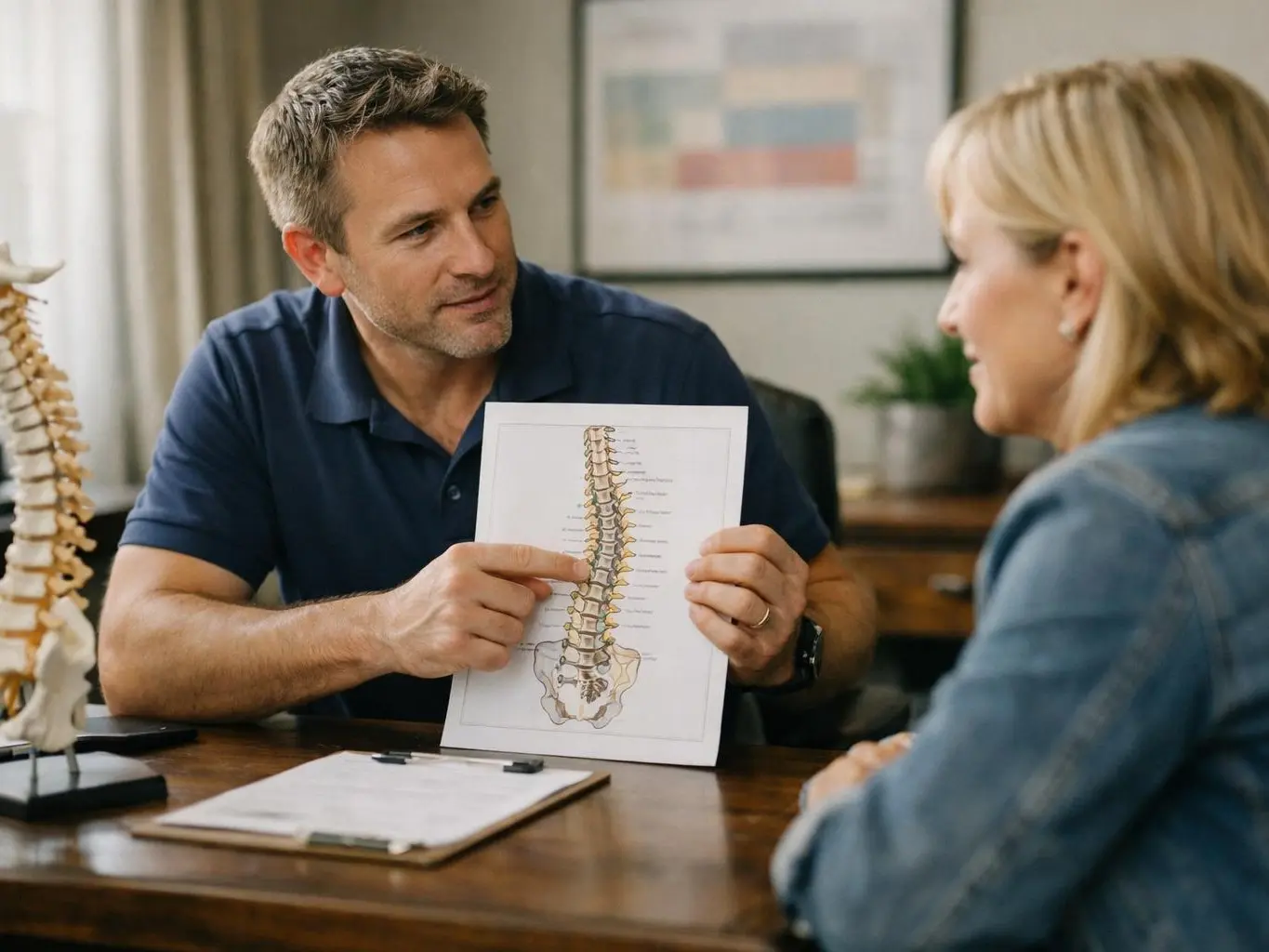
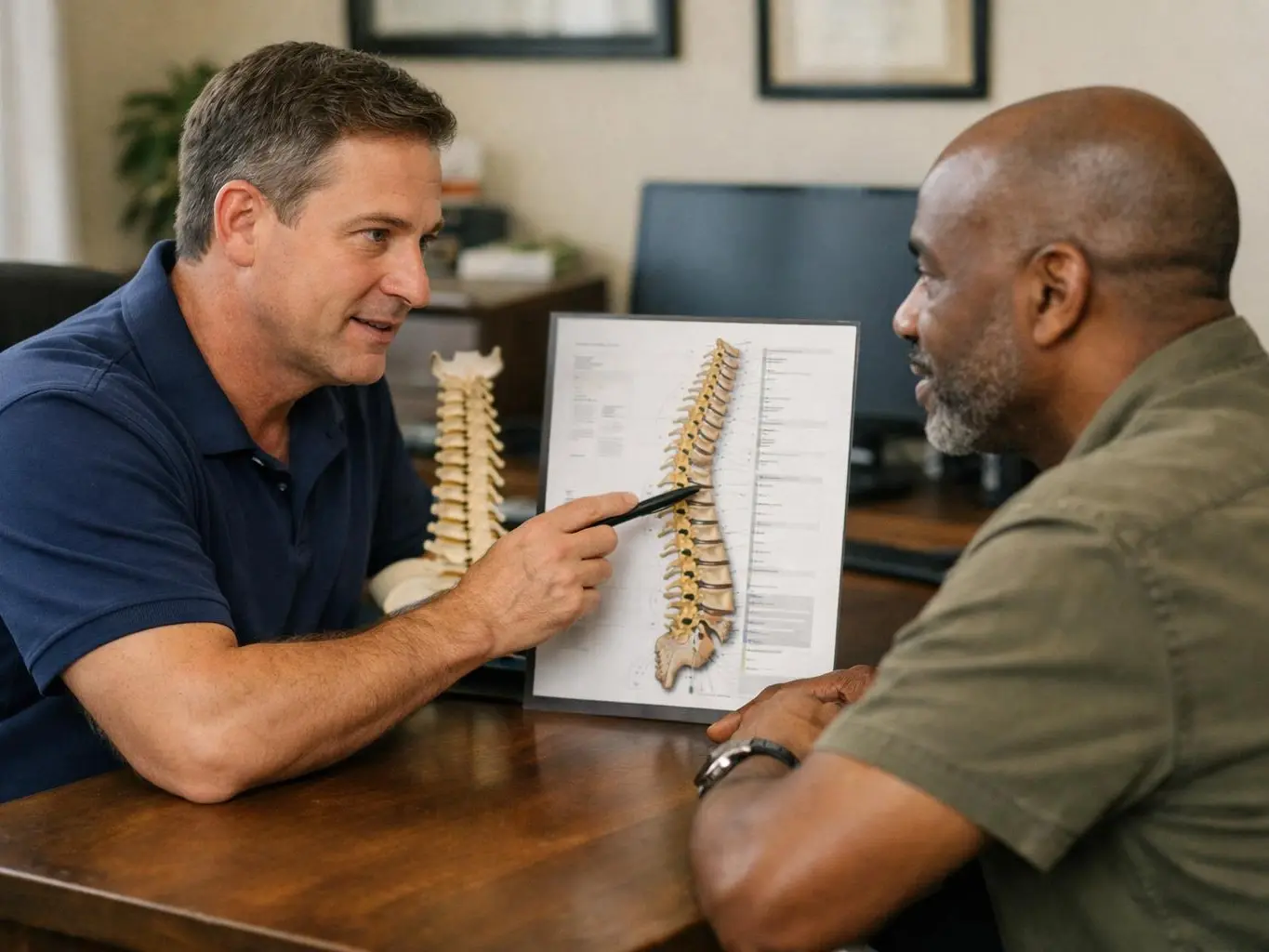
Chiropractors can help too. They adjust your spine. They work on soft parts. This eases nerve pressure.
Most people get better in weeks. But some have pain for longer. This happens if the injury isn't treated right.
Why Whiplash Associated Disorders Matters?
Whiplash can make daily life hard. You might not work or drive well. Sleep can be tough too.
Don't ignore the pain. Waiting can make it worse. You might lose movement for longer.
Getting help early helps. It stops small hurts from becoming big problems.
Whiplash can also hurt your mind. Long pain can make you feel bad. You might feel sad or worried.
Your body and mind both need care. This helps you feel better all over. Chiropractors can help with both.
They can ease your pain. They help you get back to normal. This lets you do your usual things again.
When Whiplash Associated Disorders Matters Most?
Whiplash often comes from sudden hits. Car crashes cause it most. Sports, falls. Or other hits can too.
Rear-end crashes are the biggest risk. This is true if you didn't see it coming. You might not feel hurt right away.
Watch for pain or stiffness. Check for other signs. Do this for days after an accident.
Some things make whiplash worse. Older people get hurt more. So do people with neck or back problems.
Bad posture can make it worse too. Not wearing seatbelts is risky. So are headrests that don't fit right.
See a doctor or chiropractor fast. This helps you get better sooner. It also stops long-term problems.
In Savannah, GA, whiplash is common. Car crashes and outdoor fun cause many cases. Local chiropractors help people get better.
They help patients return to normal. Knowing about whiplash helps. It lets people get help fast and avoid problems.