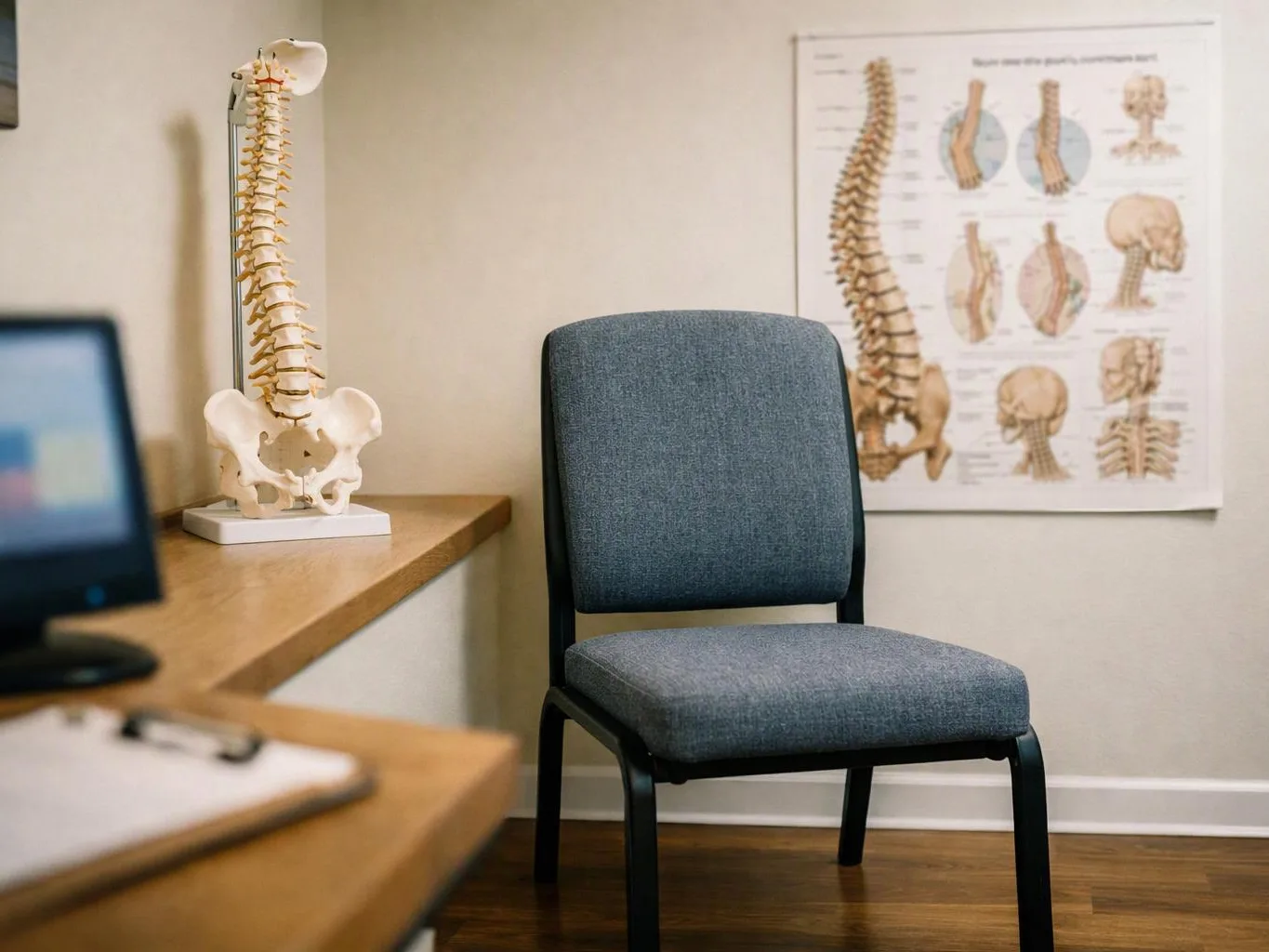
What to Expect From Spinal Decompression Therapy
Spinal decompression therapy starts with a chiropractic evaluation, continues with a personalized treatment plan and controlled table-based session, and ends with aftercare guidance; Arrowhead Clinic Chiropractor Savannah explains each step and reviews whether the approach fits your needs.
Request an EstimateWhat Is Spinal Decompression Therapy?
Spinal decompression therapy is a chiropractic treatment approach that uses controlled movement and positioning to address selected spinal conditions. Our team uses a traction table to apply carefully planned movement to specific spinal segments.
Spinal decompression care may be considered for concerns such as back pain, neck pain, disc-related symptoms, or nerve irritation. We review your spinal health and treatment goals before deciding whether this conservative spinal care approach fits your needs.
What Happens Before Your First Session?
The first spinal decompression therapy visit begins with a health history, symptom review, examination, and discussion of whether the treatment is appropriate. We use this information to build a treatment plan that reflects your symptoms and goals.
This evaluation helps us decide whether lumbar decompression, cervical decompression, or another care approach better matches your needs. We also explain when medical referral or additional records may be useful.
What Happens During a Spinal Decompression Therapy Visit?
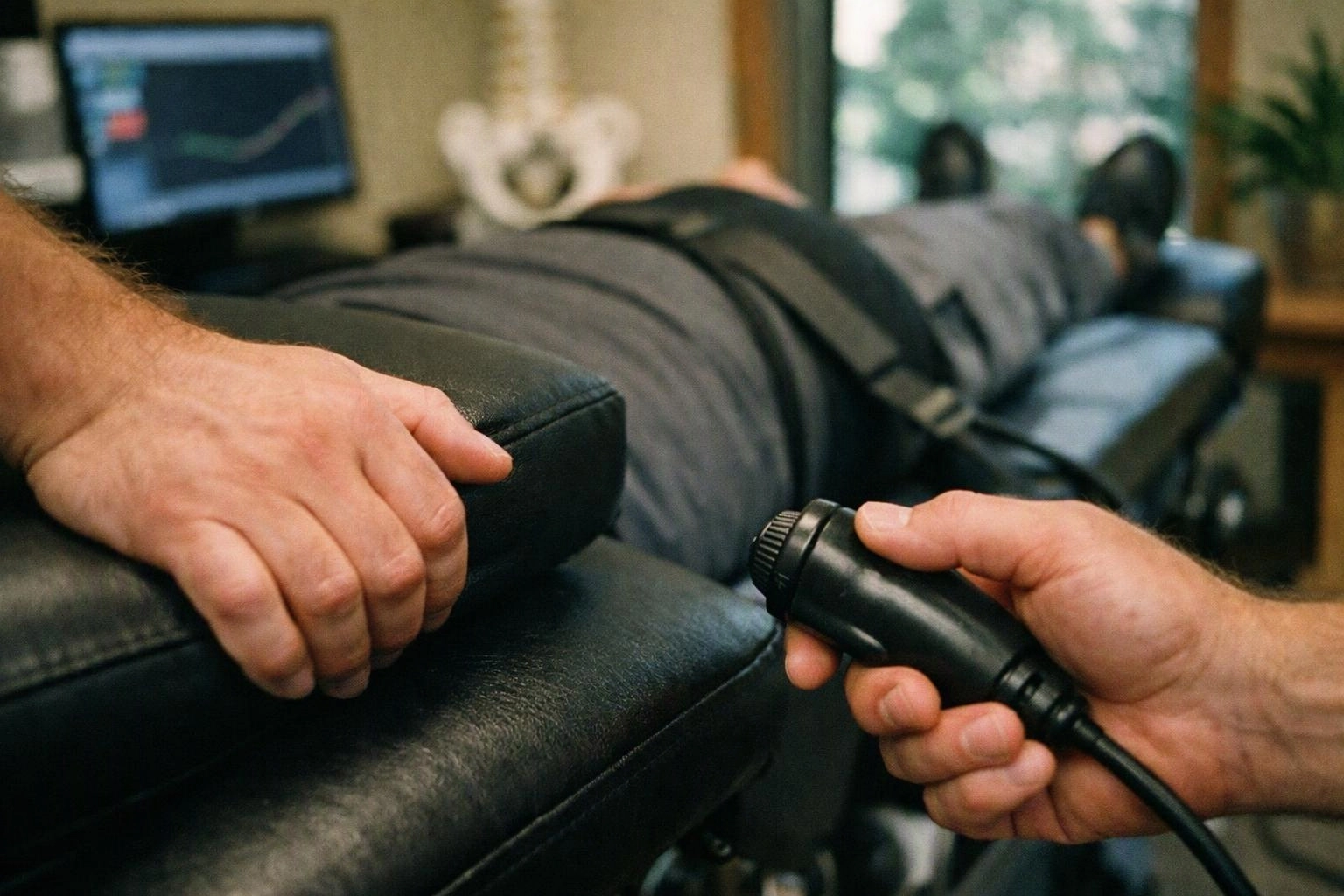
A spinal decompression therapy visit uses a controlled treatment table while the chiropractic team monitors positioning, comfort, and the planned response. Our team explains the setup before the session and stays aware of your feedback during care.
| Visit element | What to expect |
|---|---|
| Patient positioning | We position your body with the table, support harness, and positioning supports suited to the planned area. |
| Treatment settings | We select controlled movement and table settings based on the treatment plan and your clinical findings. |
| Comfort monitoring | We monitor patient comfort and ask you to report pressure, pain, or any concern during the session. |
| Communication | We explain what is happening and adjust the session when your symptom response calls for review. |
The goal is a controlled session that follows the agreed treatment plan. We do not assume that every person responds in the same way, so your feedback remains part of the visit.
How Should You Prepare for Spinal Decompression Therapy?
Preparing for spinal decompression therapy means bringing relevant health information, wearing comfortable clothing, and reporting current symptoms or changes. Good preparation helps our team make the consultation and table setup more focused.
Tell us about recent changes even when they seem unrelated to your original complaint. Our team uses those details when reviewing treatment settings and suitability.
What Can You Expect After Treatment?
After spinal decompression therapy, the chiropractic team reviews your immediate response, provides aftercare guidance, and explains what symptoms to monitor. We ask about comfort and symptom response before you leave.
Aftercare instructions may cover activity guidance, comfort measures, and signs that should be reported to our team. Follow-up care gives us a chance to review your response and decide whether the treatment plan needs adjustment.
Contact our team promptly about a concerning or unexpected symptom after treatment. We can review the change and discuss whether further clinical assessment is appropriate.
When May Spinal Decompression Therapy Need Further Review?
Spinal decompression therapy may need further clinical review when your medical history, symptoms, recent injury, surgery, or other health factors could affect treatment suitability. We review these details before recommending table-based care.
Neurological symptoms, changes in strength or sensation, and concerns related to bone health may require additional assessment. Pregnancy, surgical history, or a recent injury can also change the care discussion.
Our team may recommend medical referral considerations when the findings fall outside the planned chiropractic approach. We explain the reason for that recommendation and help keep the next step clear.
What Should You Ask During the Consultation?
The consultation should clarify why spinal decompression therapy is being considered, what the plan involves, what risks apply, and how progress will be reviewed. Asking direct questions helps you make an informed decision about care.
Our team answers these questions before care begins and reviews informed consent with you. You should understand the proposed plan and its possible benefits and limitations before scheduling treatment.
How Do You Decide Whether to Schedule Spinal Decompression Therapy?
Deciding whether to schedule spinal decompression therapy depends on the clinical evaluation, your goals, the proposed plan, and your understanding of the possible benefits and limitations. A chiropractic consultation gives us time to review those factors with you.
We consider your symptom assessment, medical history, treatment suitability, and response to any care already provided. We then explain what our team can do, what follow-up care may involve, and when another clinical opinion may be appropriate.
Arrowhead Clinic Chiropractor Savannah offers Free Consultations so you can discuss your concerns and review whether this approach fits your needs before making an informed decision.
Questions About Spinal Decompression Therapy Visits
Is spinal decompression therapy painful?
Spinal decompression therapy should be communicated to our team if the table movement causes pain or concerning pressure. Arrowhead Clinic Chiropractor Savannah monitors comfort during the session and reviews your response before continuing or adjusting the planned care.
What should I wear to spinal decompression therapy?
Spinal decompression therapy is easiest to prepare for when you wear comfortable clothing that allows relaxed movement and positioning. Bring medication information and relevant medical history if those details may affect the evaluation.
Can I drive after spinal decompression therapy?
Driving after spinal decompression therapy depends on how you feel after the session and on the aftercare guidance we provide. Tell our team about dizziness, unusual pain, weakness, or another symptom before leaving so we can review your next step.
What symptoms should I report before a spinal decompression session?
Symptoms to report before a spinal decompression session include new or worsening pain, numbness, weakness, changes after a recent injury, or other unusual symptoms. We use those updates when reviewing contraindications and treatment suitability.
How do I know if spinal decompression therapy is appropriate for me?
Spinal decompression therapy may be appropriate when the clinical evaluation, medical history, symptoms, and treatment goals support the approach. Our team reviews those factors, explains alternatives and limitations, and discusses whether referral considerations apply.
Arrowhead Clinic Chiropractor Savannah can review your symptoms, goals, and health history during a consultation and explain whether spinal decompression therapy fits your care plan.
Contact our team to discuss your next step.
Related Resources
Benefits of Spinal Decompression Therapy for Back and Leg Symptoms
When You Need ItSciatica Warning Signs: When Leg Pain, Numbness, or Weakness May Need Chiropractic Care
What Goes With ItHow to Choose a Chiropractor in Savannah
Compared ToChiropractic Adjustment, Massage, Dry Needling, Cupping, and Decompression Compared