Skip to content

Spinal Decompression Therapy in Savannah, Georgia

We use non-surgical spinal care for people with back pain, neck pain, sciatica, or limited movement. Our team explains each care option before treatment.

Licensed & InsuredUpfront, Transparent PricingServing 13 CommunitiesMon-Fri: 9 am–7 pm, Sat-Sun: Closed
Spinal decompression therapy is provided by Arrowhead Clinic Chiropractor Savannah for people in Savannah and nearby communities. We begin with a health history and condition assessment, then discuss whether this approach fits your goals. Back pain, sciatica, and herniated disc concerns can affect daily movement. We explain the next step clearly and build a personalized care plan when treatment is appropriate.

What this treatment may change for back and leg discomfort

Controlled unloading may support more comfortable movement for selected spinal conditions.

A personalized plan connects traction care with your symptoms, goals, and progress checks.

Non-surgical treatment gives suitable patients another care option for spinal discomfort.

What Spinal Decompression Therapy Covers

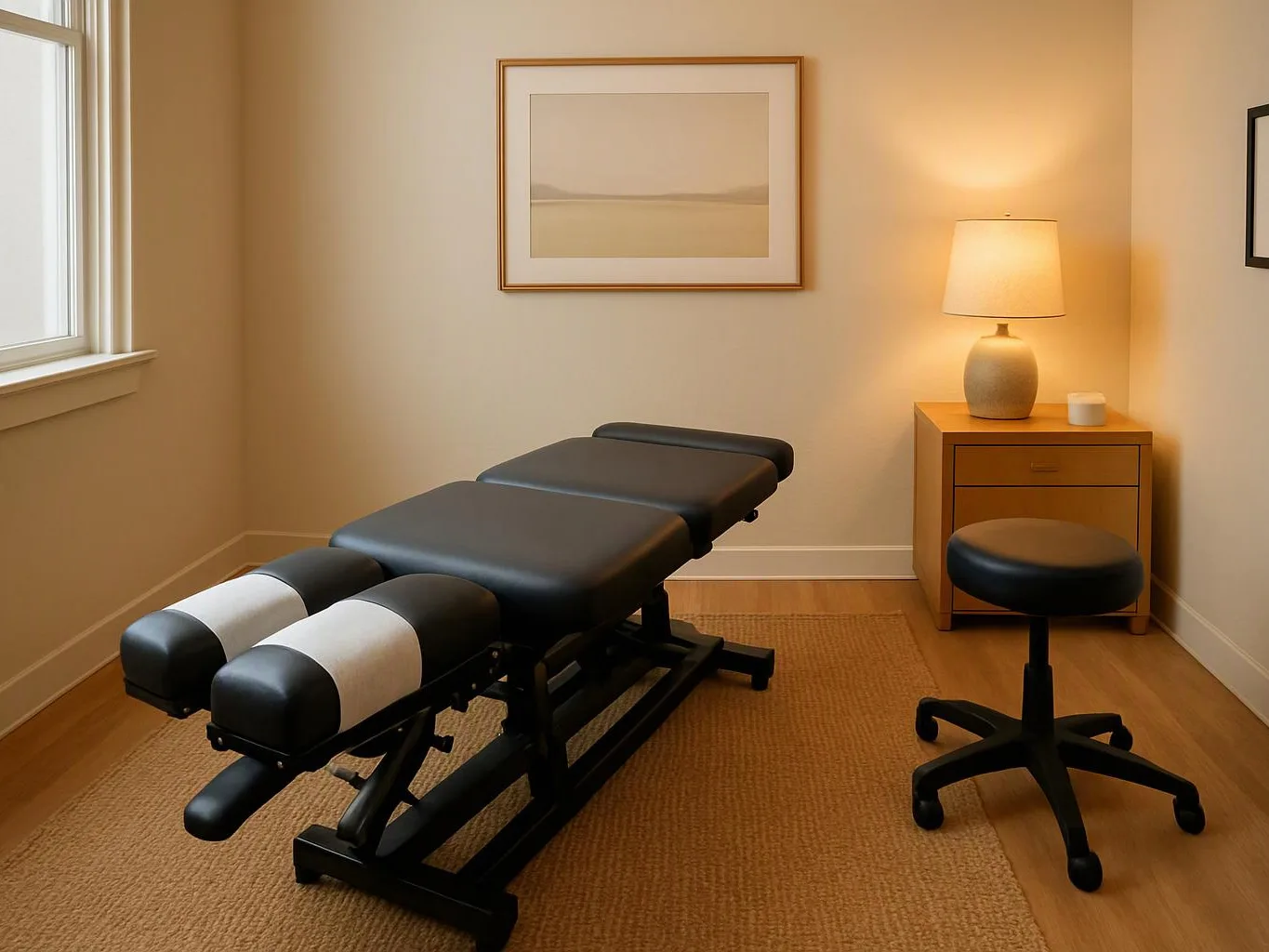
Spinal decompression therapy is a non-surgical treatment approach that uses controlled spinal unloading to support care for selected back and neck concerns.
  • Spinal decompression therapy differs from a chiropractic adjustment because it focuses on controlled traction and unloading, while an adjustment applies a specific corrective force.
  • Savannah patients receive this service through our normal chiropractic assessment and personalized care planning process.
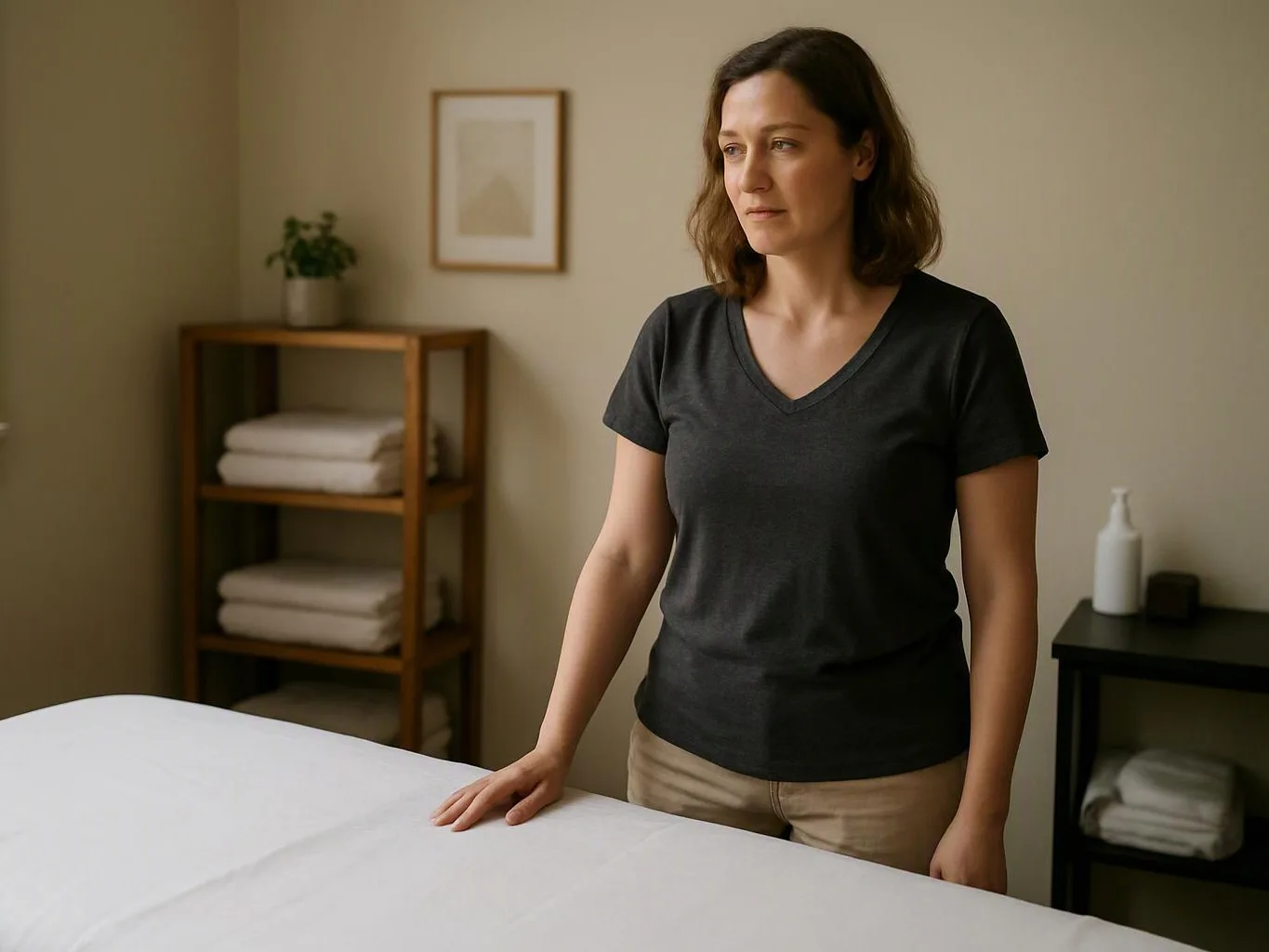
A woman stands beside a massage table in a calm treatment room with folded towels and shelves behind her
About

How spinal decompression therapy fits your care plan

Spinal decompression therapy uses controlled traction to reduce loading through targeted parts of the spine. We use the approach as part of non-surgical care for selected patients with back pain, neck pain, sciatica, or related movement limits. The first visit includes a new patient intake, health history, and exam. We may discuss imaging when it is clinically indicated. After the assessment, we explain care options and the reasons behind them. This treatment isn't suitable for every condition or every person. Severe, changing, or unexplained symptoms need careful review before any treatment plan begins. Our team checks fit first, then monitors your response through follow-up care. Our view is simple: spinal decompression should support a wider care plan, not replace a careful assessment. Regular maintenance may be discussed when it matches your goals and progress.

Process

How your spinal decompression visit moves forward

1

Health history and exam

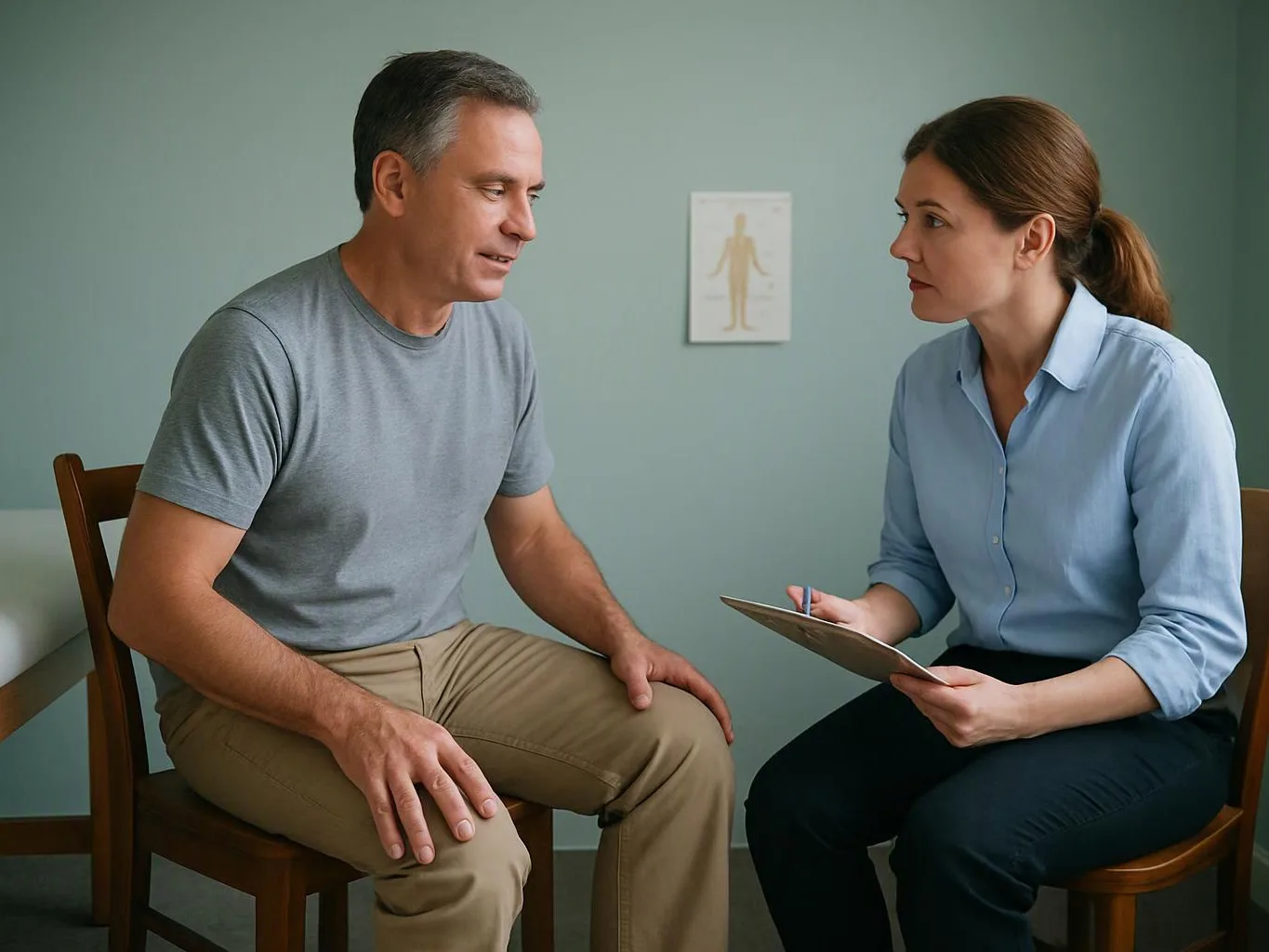
We review your health concerns, symptom pattern, and movement limits. This step helps us decide what needs closer attention.

2

Condition assessment

We assess your condition before recommending personalized chiropractic care. Imaging may be discussed when it is clinically indicated.

3

Care option discussion

We explain whether controlled spinal unloading fits your needs. We also discuss related chiropractic techniques when they belong in the plan.

4

Personalized treatment

We provide spinal decompression therapy according to the care plan. The approach focuses on controlled traction and patient comfort.

5

Progress review

We monitor your response throughout care. If symptoms change or the plan no longer fits, we review the next step.

What to prepare before spinal decompression care

A few details can help us assess your symptoms and discuss care options clearly.

  • Bring a list of current health concerns and symptoms.
  • Note what movements or positions increase your discomfort.
  • Share relevant medical history before treatment begins.
  • Bring imaging or records that relate to the current concern, if available.

The Arrowhead Clinic Chiropractor Savannah Standard

Thorough Consultation

We begin with a thorough consultation that connects your health concerns to the suitability of spinal decompression therapy.

Condition Assessment

We assess your condition before recommending traction-based care, adjustments, or another personalized chiropractic option.

Progress Monitoring

We monitor symptom and movement changes throughout care, then review the plan when your response changes.

Questions about spinal decompression treatment

Who provides spinal decompression therapy in Savannah?

Arrowhead Clinic Chiropractor Savannah provides spinal decompression therapy in Savannah. We begin with a health history and condition assessment before recommending care. The team explains treatment options and checks whether controlled traction fits your symptoms and goals. Follow-up reviews help us decide whether the plan needs to continue or change.

What is the difference between spinal decompression and a chiropractic adjustment?

Spinal decompression uses controlled traction, while a chiropractic adjustment applies a specific corrective force. Both may appear in a personalized care plan when clinically appropriate. We explain which approach fits your assessment and goals before treatment. The choice depends on your condition, symptoms, and response to care.

What can make the cost of this treatment change?

Treatment cost depends on your assessment, care plan, and the services recommended for your condition. A consultation helps identify whether spinal decompression, adjustments, or other conservative techniques belong in your plan. We offer free consultations, and our team can explain the care options before treatment begins.

Do I need a doctor's referral before this treatment?

A referral is not stated as a general requirement for discussing this service with us. We still assess your condition before recommending care. Bring relevant health records or imaging if you have them, and tell us about current symptoms, past injuries, and any care you have already received.

What happens if my symptoms worsen during treatment?

Worsening symptoms should be reported so we can reassess your condition and care plan. We monitor progress throughout treatment and review changes in pain, movement, or function. New or severe symptoms may require a different clinical decision, so we do not continue a plan without checking your response.

Can this treatment help with sciatica?

Sciatica may respond to spinal decompression therapy when the treatment fits the underlying condition. We assess the pain pattern, leg symptoms, movement limits, and health history first. Results vary, so we monitor your response and explain other conservative care options when traction does not match your needs.

What should I bring to the first appointment?

Your symptom history, current health information, and related records help us assess spinal decompression treatment. Bring a list of medicines or relevant conditions if available. You can also note what makes symptoms better or worse. These details help us explain care options before treatment begins.

Key Points About Spinal Decompression Therapy

  • Spinal decompression uses controlled traction as part of non-surgical care.
  • We assess your symptoms before recommending this treatment.
  • Back pain, sciatica, and limited movement can require different care plans.
  • Changing symptoms call for a progress review.
  • Results vary, so we monitor your response throughout care.
Contact

Discuss spinal decompression therapy in Savannah

Arrowhead Clinic Chiropractor Savannah offers free consultations for people considering non-surgical care. Schedule a visit so we can review your symptoms, assess treatment fit, and explain the next step.

Yellow hard hat, work gloves, clipboard, and keys are arranged on a light surface
Scenarios

When Customers Call Us About Spinal Decompression Therapy

1

Back Pain With Leg Symptoms

Pain that travels from the lower back into the leg can raise questions about nerve irritation or other spinal concerns. The symptom path, movement limits, and health history matter before traction care begins. We’ll review those details during the assessment and explain whether spinal decompression therapy fits your goals.

2

First Visit Treatment Questions

A first visit can feel uncertain when you don’t know what treatment involves. Our team starts with a health history and exam, then explains the care options before anything begins. Bring your symptom notes and relevant records so we can discuss suitability, expected follow-up, and practical next steps.

3

Symptoms That Stop Improving

Some people seek a plan review when symptoms stay the same or change during care. That response matters because poor fit, an unaddressed condition, or a different source of pain may require attention. We monitor progress and reassess the plan instead of continuing without checking your condition.

Our Other Services

Massage TherapyTight muscles after work, exercise, or daily strain can leave your body feeling restricted. Massage therapy addresses trigger points and muscle tension with focused hands-on techniques that support relaxation and easier mobility.
Chiropractic AdjustmentStiff joints and restricted movement can make ordinary tasks uncomfortable. Chiropractic adjustments assess spinal alignment and joint motion, helping reduce discomfort and restore easier movement through hands-on care suited to your condition.
Dry NeedlingPersistent muscle knots can keep affecting movement even after rest. Dry needling targets trigger points in tight tissue, then movement-focused care helps reduce local tension and improve how the affected area functions.
Cupping TherapyMuscle tightness and soreness can make stretching or exercise harder than usual. Cupping therapy uses suction cups over selected areas to support circulation and tissue mobility during a broader pain-care plan.
Auto Accident Chiropractic CareNeck stiffness, shoulder pain, and back soreness may appear after a collision, even when injuries seem minor. Auto accident chiropractic care documents symptoms, checks range of motion, and guides recovery after whiplash or impact-related strain.
Sports Injury TreatmentAn ankle sprain, pulled muscle, or overuse injury can interrupt training and competition. Sports injury treatment evaluates the affected joint, builds movement back gradually, and supports a safer return to activity.

The health and wellness information on this website is for general informational purposes only and is not medical advice. It does not create a provider-patient relationship. Always consult a qualified licensed provider in Savannah, Georgia, United States about your specific condition before making care decisions. Individual results vary.

(912) 378-1371