Skip to content

Spinal Decompression Therapy in Isle of Hope, Georgia

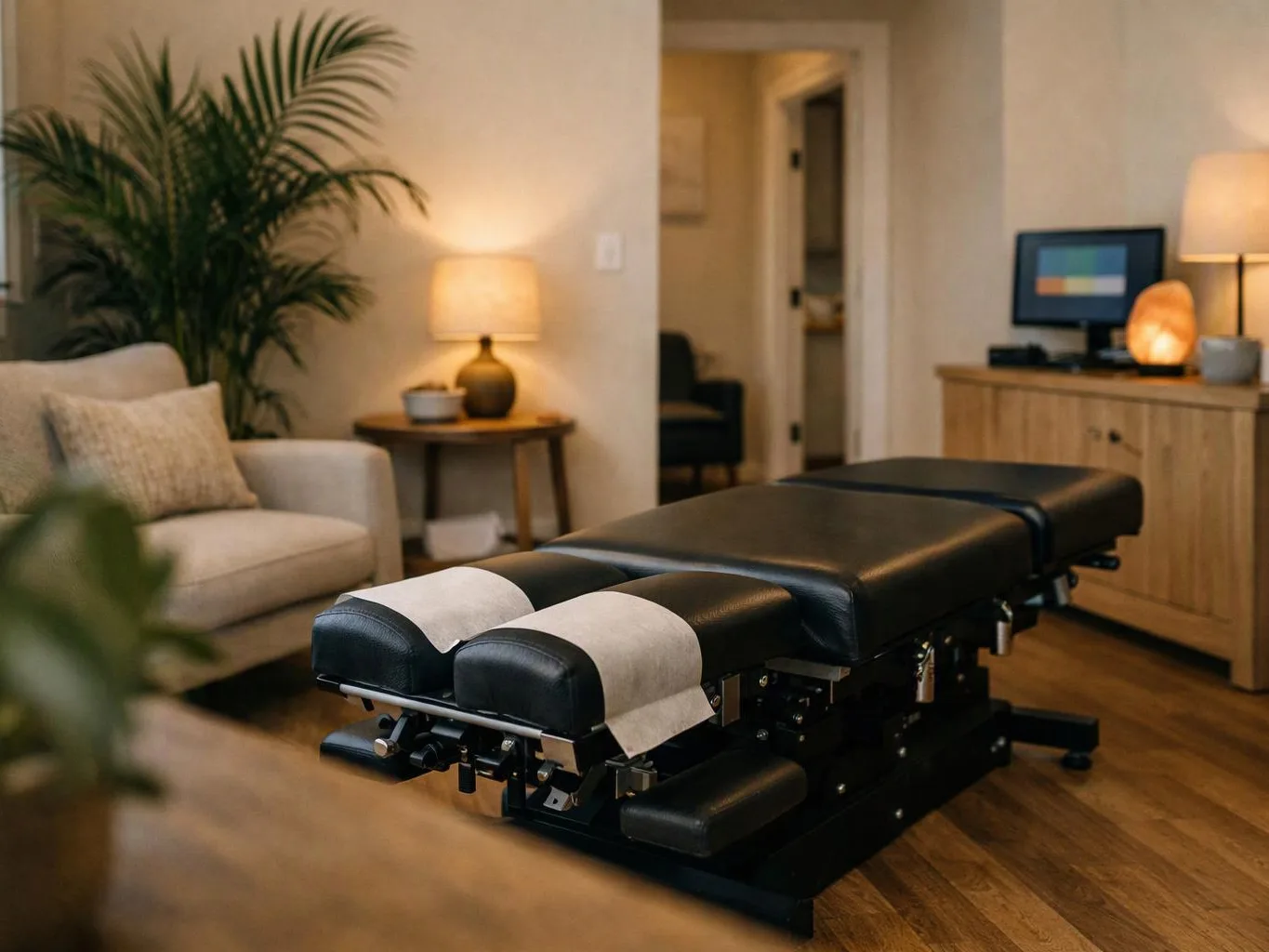
Gentle traction is checked before treatment in Isle of Hope. We match spinal positioning and decompression cycles to your evaluation.

Licensed & InsuredUpfront, Transparent PricingServing 13 CommunitiesMon-Fri: 9 am–7 pm, Sat-Sun: Closed

Quick Summary: Spinal decompression care in Isle of Hope, Georgia

Spinal Decompression Therapy in Isle of Hope is provided by Arrowhead Clinic Chiropractor Savannah for spinal positioning, gentle traction, and decompression cycles. We serve Savannah, Georgia, and surrounding communities through individualized, non-surgical chiropractic care.

  • What we do: Arrowhead Clinic Chiropractor Savannah provides Spinal Decompression Therapy in Isle of Hope, Georgia, with an evaluation before treatment.
  • What is included: Key capabilities include spinal positioning, gentle traction, decompression cycles, and individualized treatment planning.
  • What you get: The treatment plan matches spinal decompression care to the patient’s condition and goals.

Why does back pain keep returning after regular care?

Recurring back pain can reflect several contributing factors, so an evaluation helps guide care. Spinal decompression therapy uses controlled table movement and spinal positioning, while chiropractic adjustments address joint motion. Results vary, and our team explains which approach fits your findings.
Spinal Decompression Therapy for Isle of Hope Patients

Spinal decompression therapy is designed for people seeking non-surgical care for back pain, neck pain, sciatica, or limited range of motion. The key decision is whether decompression fits your health history, symptoms, and goals.

We begin with a new patient intake, health history, and exam. X-rays may be considered if clinically indicated. Our team then explains the findings and outlines a personalized treatment plan.

This page focuses on what happens during a decompression session, especially the treatment table, spinal positioning, support harness, and controlled cycles. It does not promise a certain result, because individual response differs.

  • Ask how the health history and exam guide treatment selection.
  • Confirm how spinal positioning will be checked before treatment.
  • Discuss the treatment table, support harness, and decompression cycles.
  • Request a clear explanation of follow-up care and progress checks.
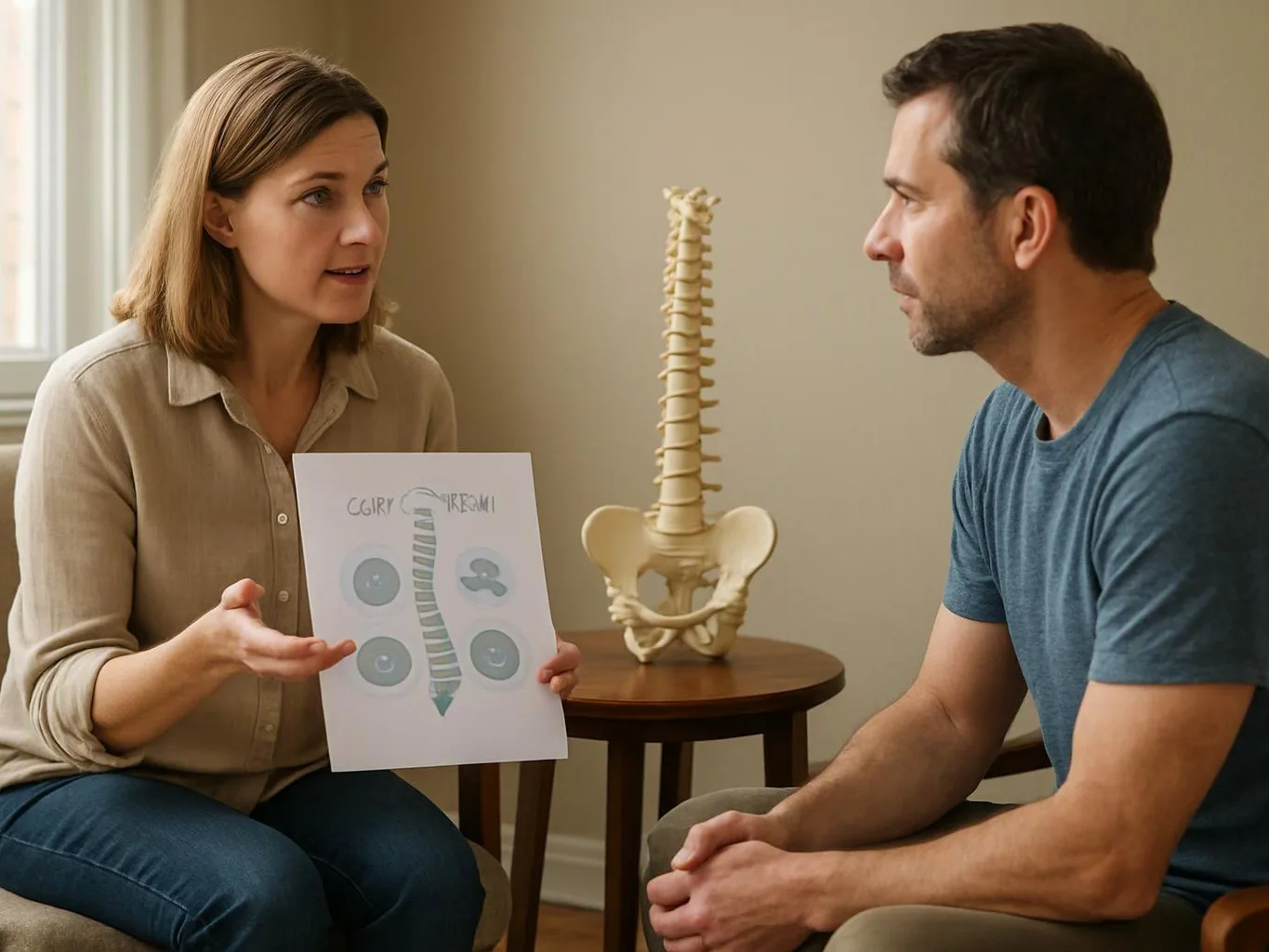
A woman shows a spine diagram to a seated man in a small clinic room

Service Overview

Spinal decompression therapy is a non-surgical treatment that uses controlled table movement and spinal positioning.

  • Spinal decompression therapy differs from regular chiropractic adjustments because it focuses on decompression cycles and traction, while adjustments use targeted joint movement.
  • We provide this care for patients in Isle of Hope through our Savannah-area practice.

What patients seek from spinal decompression care

The treatment gives our team a structured way to address spinal loading and movement concerns.

A planned session helps connect the treatment method to your symptoms and goals.

Non-surgical care may support better mobility for some patients.

Clear explanations help you understand what each session involves.

Follow-up checks help guide future treatment decisions.

What spinal decompression care includes

Arrowhead Clinic Chiropractor Savannah provides comprehensive Spinal Decompression Therapy in Isle of Hope. Here's what you get:

  • We review your health history and perform an examination before treatment.
  • We explain how the treatment table supports your planned spinal position.
  • We place the support harness according to the treatment plan.
  • We use controlled decompression cycles as part of the session.
  • We discuss progress and adjust the care plan when your findings change.
Process

How a spinal decompression session works

1

Review your health history

We discuss your symptoms, past injuries, current concerns, and treatment goals before table care.

2

Set spinal positioning

We position you on the treatment table and check that the support harness fits the planned care.

3

Begin controlled cycles

We use the selected decompression cycles and monitor your comfort during the session.

4

Discuss the care plan

We explain what we observed and discuss follow-up care based on your response and goals.

How we approach this treatment decision

Assessment before table care

We review your health history and exam findings before selecting spinal decompression care. The wrong fit includes symptoms or findings that call for another form of medical assessment.

Positioning matched to the plan

Spinal positioning matters because the table and support harness must match the planned treatment. We explain the setup before the session begins.

Clear follow-up choices

Progress re-examination helps us discuss whether the current plan still matches your goals. Individual response differs, so we do not promise a fixed outcome.

Spinal decompression and adjustment choices

These approaches differ in their main method, so the examination helps guide the choice.

Care optionMain methodDecision point
Spinal decompression therapyTreatment table with controlled decompression cyclesConsidered when the examination supports table-based decompression
Chiropractic adjustmentTargeted joint movementConsidered when the examination supports adjustment care

The Arrowhead Clinic Chiropractor Savannah Standard

  • Thorough Consultation
  • Condition Assessment
  • Clear Care Options
  • Personalized Adjustments

Questions about spinal decompression sessions

What happens during a spinal decompression therapy session?

Gentle traction begins after Arrowhead Clinic Chiropractor Savannah checks your position and treatment plan. You’re placed on a treatment table, and a support harness helps maintain alignment. Controlled decompression cycles follow, while our team monitors comfort. We explain the session before treatment starts.

How is spinal decompression matched to my condition?

Your health history and examination guide the treatment plan. We consider symptoms, spinal motion, and your goals before choosing positioning and decompression cycles. X-rays may be considered if clinically indicated. The plan can be reviewed during progress re-examinations as your needs change.

What should I ask before agreeing to this treatment?

Your first questions should cover the treatment goal, table setup, decompression cycles, and follow-up checks. Ask how your exam supports the plan and what other care may fit your findings. Our team explains these points during the consultation so you can make an informed choice.

Which part of the session changes the treatment time?

The treatment plan and selected decompression cycles are the main factors that shape session time. Positioning, harness setup, and comfort checks also matter. Our team discusses the planned session during your consultation, but we do not promise a set duration without completing the assessment.

Why might spinal decompression differ from an adjustment?

Spinal decompression uses a treatment table and controlled cycles, while an adjustment uses targeted joint movement. The choice depends on your examination and goals. We may discuss both approaches when they are relevant, but the care plan follows your findings rather than a preset method.

Can chiropractic care address injuries from work or sports?

Chiropractic care may address symptoms linked to workplace or sports injuries after an assessment. We review the injury history, examine movement, and discuss whether adjustments, spinal decompression, or another conservative technique fits. Individual response differs, and our team explains the plan before treatment.
Contact

Discuss spinal decompression care in Isle of Hope

Book a consultation to understand how the treatment table, spinal positioning, and decompression cycles may fit your goals. Arrowhead Clinic Chiropractor Savannah provides clear explanations before treatment.

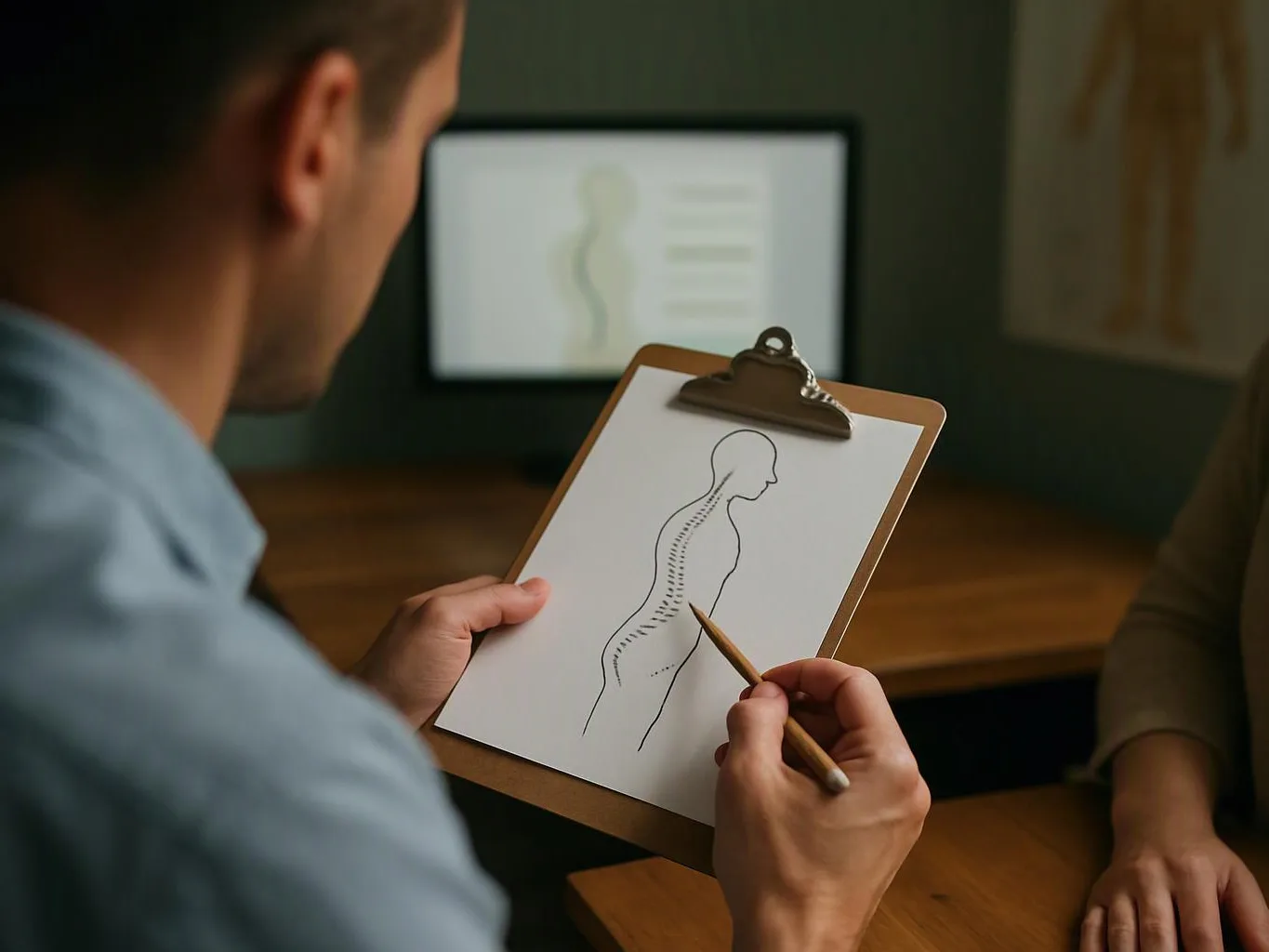
A man studies a spine drawing on a clipboard while another person sits nearby in a dim room

The health and wellness information on this website is for general informational purposes only and is not medical advice. It does not create a provider-patient relationship. Always consult a qualified licensed provider in Savannah, Georgia, United States about your specific condition before making care decisions. Individual results vary.

(912) 378-1371