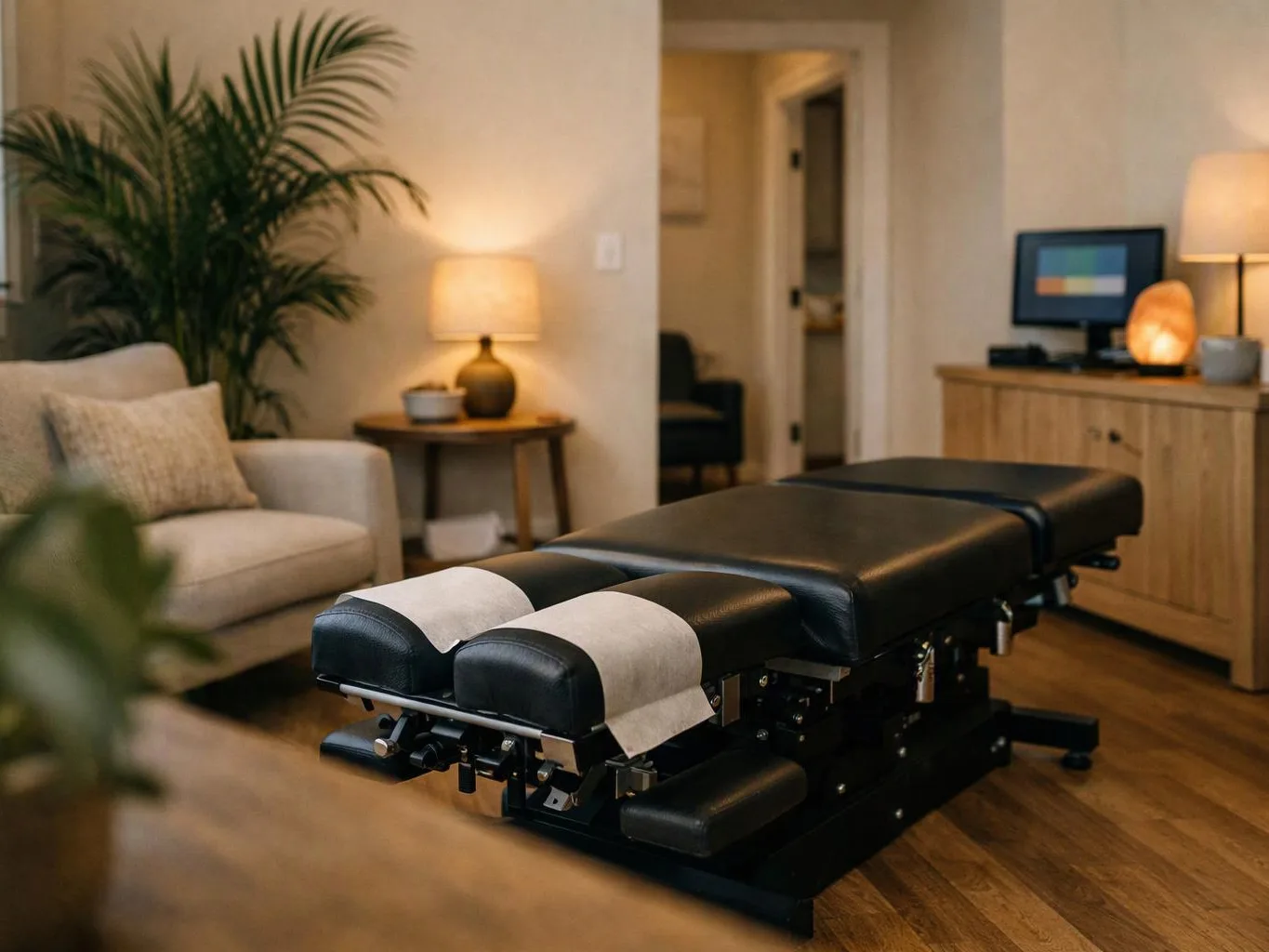
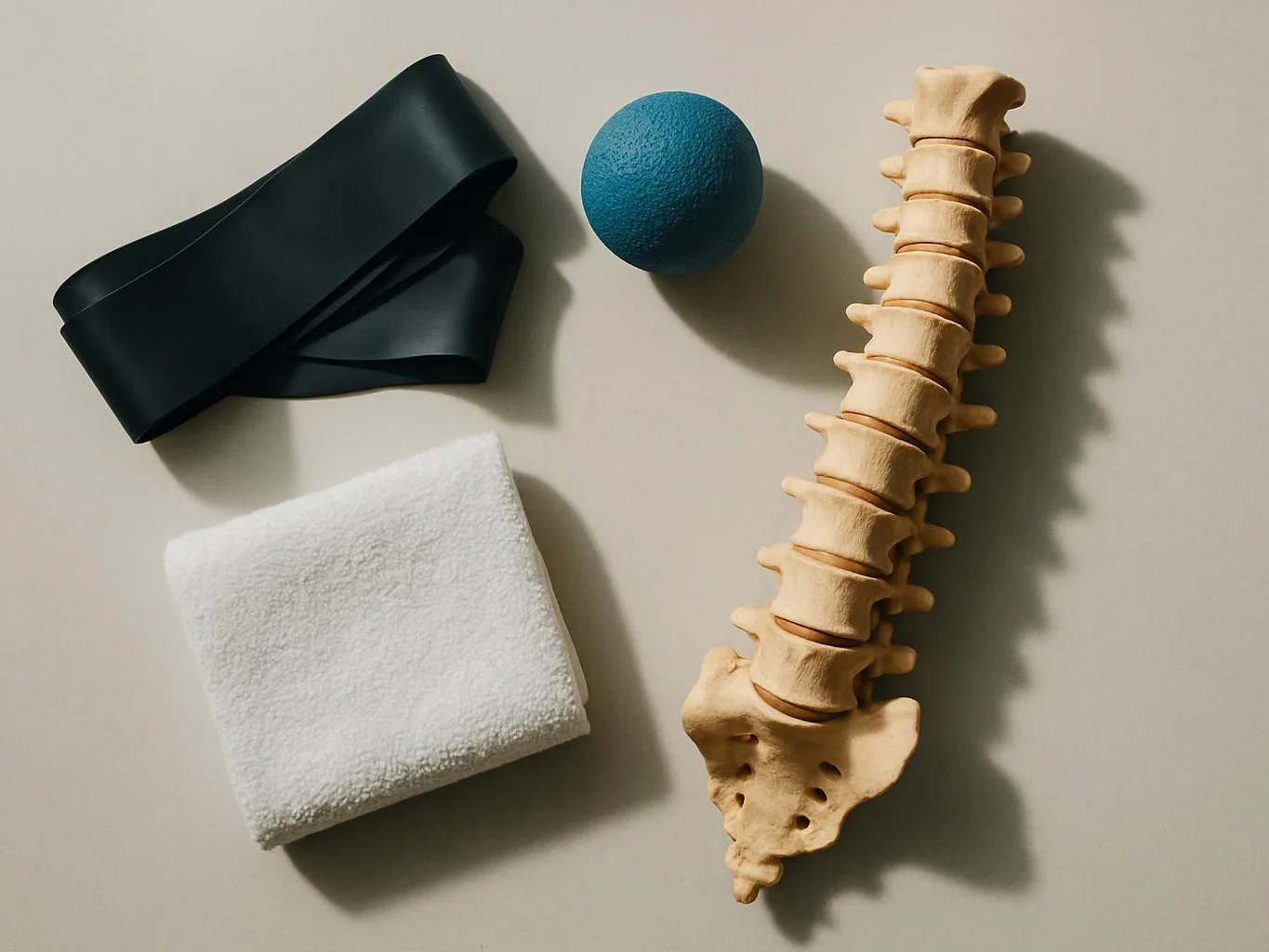
Which sports injuries can sports injury treatment address?
Arrowhead Clinic Chiropractor Savannah addresses sprained ankles, muscle strains, tendon injuries, joint pain, and overuse concerns. The first visit includes a health history and exam to assess movement, tenderness, and related spinal function. Care is selected for the patient’s condition and goals, and results vary between individuals.
What does the team look at first during injury care?
The initial exam looks at the health history, painful movement, joint range, tenderness, strength, and related spinal findings. We also ask how the injury happened and which activities increase symptoms. These details help us decide whether chiropractic care fits and what should be addressed first.
What should be checked before treatment is scheduled?
A health history and physical exam should come before treatment is scheduled. The assessment checks the injury pattern, current symptoms, movement limits, and signs that need medical attention. Patients should share past injuries, current care, and any concern about swelling, weakness, numbness, or loss of function.
Who is a good fit for this type of care?
Active adults and athletes with selected joint, muscle, tendon, or movement concerns may fit this care. Our team reviews each condition before recommending adjustments or soft tissue therapy. Suspected fractures, severe trauma, or major neurological changes need medical assessment before chiropractic treatment.
How do adjustments relate to a sports injury plan?
Chiropractic adjustments address selected joint motion concerns that may affect movement after an injury. The exam determines whether an adjustment fits the patient’s condition. We may pair this method with soft tissue therapy, but the plan follows the findings rather than the sport alone.
When should an athlete ask about an overuse injury?
An athlete should ask about care when repeated activity causes pain, tenderness, or reduced movement that does not settle with normal rest. We review the activity pattern, painful motion, nearby joints, and spinal function. Early assessment can help clarify whether conservative care is suitable.
Why might joint pain continue after the original injury?
Joint pain can continue when movement changes place stress on nearby tissue or when the joint remains restricted. Our exam checks the painful area, related joints, gait, and spinal function. The findings guide a personalized plan and help identify when another medical service is more suitable.