Glossary

What is Chiropractic Mobilization?

Chiropractic Mobilization is a gentle, hands-on technique used by chiropractors to improve joint movement and reduce stiffness. Unlike high-velocity adjustments, mobilization involves slow, controlled stretches and movements to restore flexibility and ease discomfort without cracking or popping joints.

Reviewed by ChiropractorSavannahGa.comSources reviewed: American Chiropractic Association, National Board of Chiropractic Examiners

Quick Facts About Chiropractic Mobilization

Category

Manual therapy technique

Used for

Joint stiffness, muscle tension. And mild pain

Common confusion

Often mistaken for spinal manipulation, which uses quick thrusts

Also called

Joint Mobilization, Low-Force Chiropractic Technique

Often discussed with

Chiropractic Consultation and Diagnosis, Sports Injury Chiropractic Care

Key Takeaways About Chiropractic Mobilization

Understanding Chiropractic Mobilization
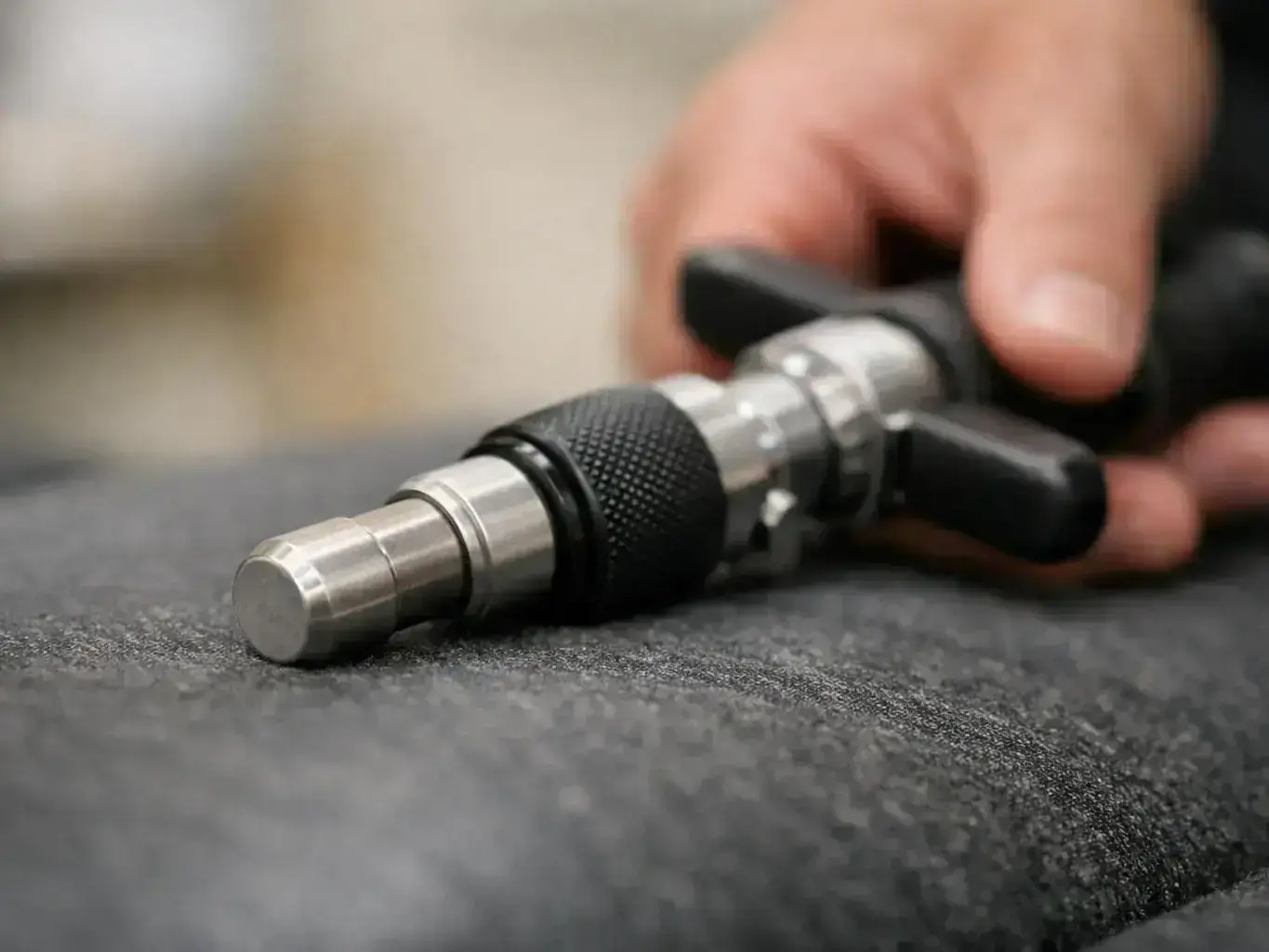
Chiropractic Mobilization in Chiropractor—Savannah

Chiropractic Mobilization is a therapeutic approach that focuses on improving joint function through gentle, controlled movements. Unlike high-velocity adjustments that produce a popping sound, mobilization uses slow, rhythmic stretches and pressure to help joints move more freely. This technique is often used for patients who may not tolerate more forceful methods, such as those with arthritis, osteoporosis. Or muscle tightness. The goal is to restore normal range of motion, reduce discomfort. And support overall mobility without causing additional stress to the body.

Related glossary terms: Chiropractic Adjustment, Joint Dysfunction, Soft Tissue Therapy.

Chiropractors use mobilization as part of a broader treatment plan, often combining it with exercises, stretches. Or other therapies. It's particularly useful for areas like the spine, shoulders, hips. And extremities, where stiffness or minor misalignments can limit movement. Because it is low-force, mobilization is generally well-tolerated by most patients, including older adults or those recovering from injuries. The technique is also beneficial for individuals who are new to chiropractic care and may be hesitant about more intense adjustments.

How Chiropractic Mobilization Works?

During a mobilization session, a chiropractor applies gentle pressure or stretches to a specific joint or muscle group. The movements are slow and controlled, designed to gradually increase the joint’s range of motion without forcing it beyond its natural limits. For example, if a patient has a stiff shoulder, the chiropractor might move the arm in small circles or apply light pressure to the joint while the patient relaxes. This helps to loosen tight muscles and improve joint play—the small, natural movements that occur within a joint.

The technique works by stimulating the nervous system and increasing blood flow to the affected area, which can help reduce inflammation and promote healing. Unlike adjustments that target specific misalignments, mobilization focuses on the overall function of the joint, making it a good option for general stiffness or minor restrictions. Chiropractors may also teach patients simple mobilization exercises to do at home, helping them maintain flexibility between visits.

Why Chiropractic Mobilization Matters?

Chiropractic Mobilization matters because it provides a safe, effective way to address joint stiffness and discomfort without the need for forceful adjustments. For many patients, especially those with chronic conditions or acute injuries, high-velocity techniques may not be suitable. Mobilization offers an alternative that can still deliver meaningful relief while minimizing the risk of soreness or injury. It also helps patients build confidence in chiropractic care, particularly if they're nervous about more intense treatments.

Beyond pain relief, mobilization can improve overall movement quality, making daily activities like bending, reaching. Or walking easier. This is especially important for older adults or individuals with conditions like osteoarthritis, where maintaining joint mobility is key to preventing further decline. By incorporating mobilization into a care plan, chiropractors can tailor treatments to each patient’s comfort level and specific needs, ensuring a more personalized approach to healing.

When Chiropractic Mobilization Matters Most?

Chiropractic Mobilization is most valuable in situations where gentle, gradual improvement is preferred over rapid changes. For example, patients recovering from surgery, fractures. Or soft tissue injuries often benefit from mobilization because it avoids putting excessive stress on healing tissues. It is also commonly used for individuals with conditions like fibromyalgia or chronic fatigue syndrome, where aggressive techniques might worsen symptoms. And mobilization is a go-to option for patients who experience anxiety about traditional adjustments or have a history of negative reactions to forceful treatments.

In practice, In clinical settings, chiropractors may use mobilization as a preparatory step before more intensive techniques, such as spinal adjustments or soft tissue therapy. By loosening stiff joints first, they can boost the effectiveness of next treatments. Patients who incorporate mobilization exercises into their daily routines may also experience fewer flare-ups of pain or stiffness, making it a useful tool for long-term management of musculoskeletal health.
How to Evaluate Chiropractic Mobilization?

Related Concepts Compared

Chiropractic Mobilization vs. Chiropractic Adjustment

Chiropractic Adjustment uses quick, targeted thrusts to realign joints, often producing a popping sound. While mobilization uses slow, gentle stretches to improve motion without force.

Chiropractic Mobilization vs. Soft Tissue Therapy

Soft Tissue Therapy focuses on muscles and tendons. While mobilization targets joints and their range of motion.

Chiropractic Mobilization vs. Spinal Manipulation

Spinal Manipulation is a broader term that includes both high-velocity adjustments and low-force techniques like mobilization. But mobilization specifically avoids rapid thrusts.

Expert Note

Chiropractic Mobilization is particularly useful for patients who need a gradual approach to improving joint function. It’s not just a ‘lighter’ version of an adjustment—it’s a distinct technique that can stand alone or complement other therapies for better outcomes.

Common Mistakes or Myths About Chiropractic Mobilization

  • Assuming mobilization is just a weaker version of a chiropractic adjustment—it’s a different technique with unique benefits.
  • Expecting immediate results; mobilization often requires multiple sessions for noticeable improvement.
  • Thinking mobilization is only for older adults or injured patients—it’s useful for anyone with joint stiffness.
  • Skipping home exercises recommended by the chiropractor, which help maintain progress between visits.

Chiropractic Mobilization in Practice: A Real-World Example

A patient recovering from a shoulder injury visits a chiropractor for stiffness and limited range of motion. Instead of a forceful adjustment, the chiropractor uses mobilization techniques, gently moving the shoulder in small circles and applying light pressure to loosen tight muscles. After a few sessions, the patient notices improved flexibility and reduced discomfort when reaching overhead.

Related Services

Related Terms

Chiropractic Adjustment

Chiropractic Adjustment is a hands-on procedure where a licensed chiropractor applies controlled force to a specific joint in the spine or other body parts. The goal is to improve alignment, reduce nerve irritation. And restore normal movement. Adjustments are often used to relieve back pain, neck pain, headaches. And joint discomfort without surgery or medication.

Joint Dysfunction

Joint Dysfunction is a condition where a joint in the body moves improperly or loses its normal range of motion, often causing pain, stiffness. Or reduced function. It can result from injury, overuse, poor posture. Or underlying conditions like arthritis. Chiropractors commonly address joint dysfunction to restore proper movement and relieve discomfort.

Soft Tissue Therapy

Soft Tissue Therapy is a hands-on treatment method that targets muscles, tendons, ligaments. And fascia to reduce pain, improve mobility. And promote healing. Soft Tissue Therapy uses techniques like massage, stretching. And pressure to break up scar tissue, release tension.

Spinal Subluxation

Spinal subluxation is a partial dislocation or misalignment of one or more vertebrae in the spine, which may interfere with nerve function and overall health. Chiropractors identify and correct subluxations to restore proper movement, reduce pain. And support the body’s natural healing ability. It's not a complete dislocation but a subtle shift that can cause discomfort or dysfunction.

Chiropractic Care Plan

Chiropractic Care Plan is a personalized, written schedule of treatments created by a licensed chiropractor to address a patient’s specific musculoskeletal issues, pain. Or mobility goals. It outlines the types of adjustments, therapies, exercises. And follow-up visits needed to improve spinal health and overall well-being over a set period.

ChiropractorSavannahGa.com

Have Questions About Chiropractic Mobilization?

Contact ChiropractorSavannahGa.com for practical guidance on Chiropractic Mobilization and related chiropractor work in Savannah.

+1 912-378-1371