Glossary

What is Scoliosis?

Scoliosis is a medical condition where the spine curves sideways, often forming a C or S shape instead of a straight line. It can occur at any age but is most commonly detected during growth spurts in adolescence. The curvature may be mild, moderate. Or severe and can sometimes lead to pain, posture changes. Or breathing difficulties if left untreated.

Reviewed by ChiropractorSavannahGa.comSources reviewed: American Association of Neurological Surgeons, National Institute of Arthritis and Musculoskeletal and Skin Diseases

Quick Facts About Scoliosis

Category

Spinal deformity

Used for

Diagnosing and managing spinal curvature

Common confusion

Often mistaken for poor posture or temporary back pain

Also called

Spinal curvature, Curved spine

Often discussed with

Chiropractic Consultation and Diagnosis

Key Takeaways About Scoliosis

Understanding Scoliosis
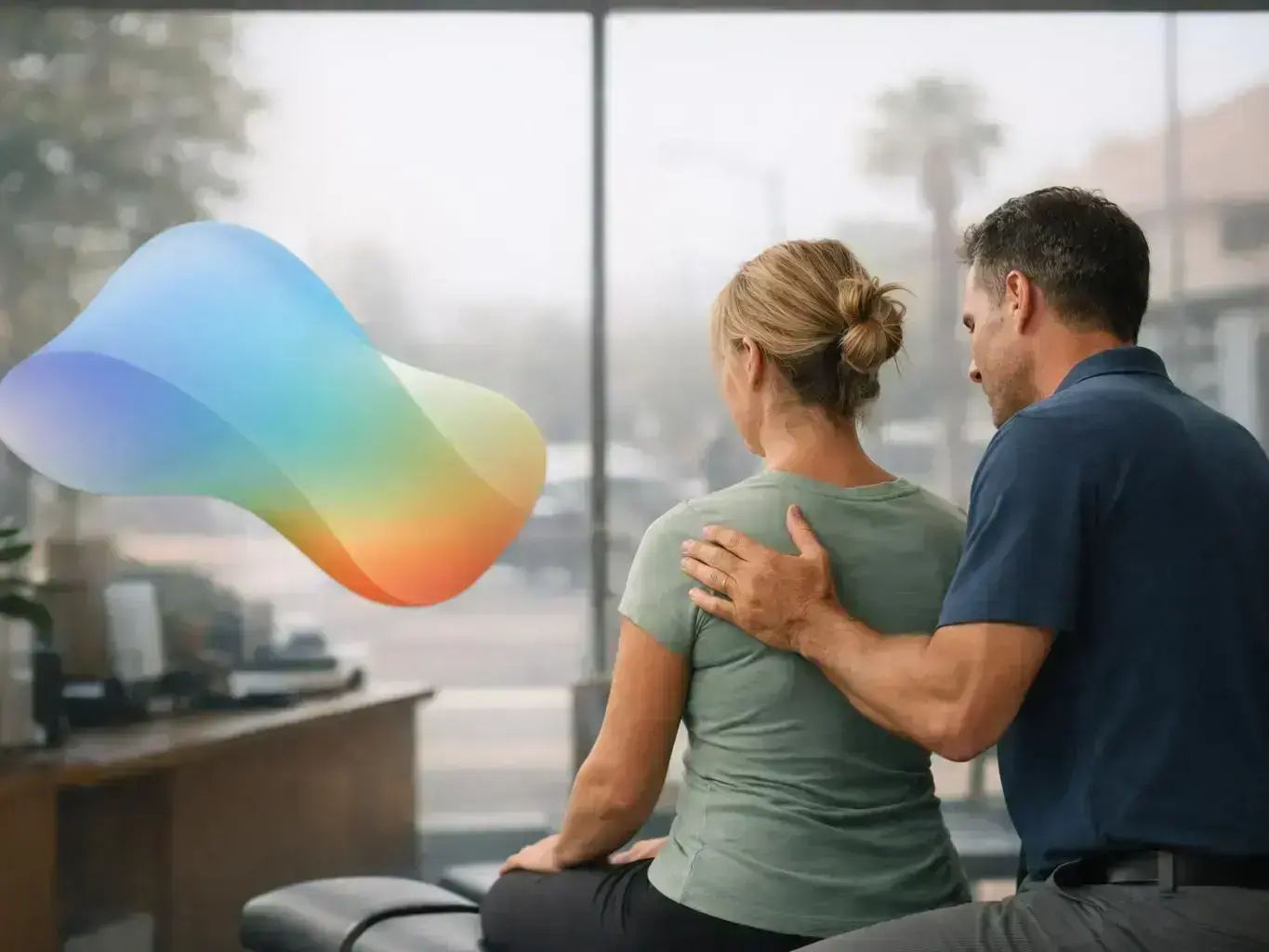
Scoliosis in Chiropractor—Savannah

Scoliosis changes how the spine lines up. The spine curves sideways instead of staying straight.

Related glossary terms: Chiropractic, Spinal Subluxation, Back pain.

This curve can happen in the upper back. It can also happen in the lower back. Sometimes it happens in both.

Most times, no one knows why it starts. Doctors call this "idiopathic" (no known cause). It often shows up when kids grow fast.

Other types come from muscle problems. Some come from birth. Others come from injuries. But these are not as common.

How Scoliosis Is Measured and Diagnosed?

The curve can be small or big. Small curves may not need fixes. But doctors should check them often.

Bigger curves can cause trouble. They may hurt your lungs or cause pain. They can make shoulders or hips look uneven.

Doctors find scoliosis in two ways. They do a check-up. They also take pictures of the spine.

During the check-up, you may bend forward. The doctor looks at your back. They check for uneven parts.

If they think there's a curve, they take an X-ray. The X-ray shows the curve's angle. This angle is called the Cobb angle.

A Cobb angle of 10 degrees means scoliosis. The angle tells how bad it is.

Curves under 20 degrees are mild. These just need watching. Curves from 20 to 40 degrees may need a brace.

The brace keeps the curve from getting worse. Kids who are still growing often need one. Curves over 40 degrees may need surgery.

Surgery can straighten the spine. It's called spinal fusion. Doctors may also use MRI or CT scans.

These scans show more details. They help if the doctor thinks something else caused the curve.

Why Scoliosis Matters?

Scoliosis needs care. Without it, curves can cause big problems. These problems can last a long time.

Bad curves can hurt your back. They can make muscles tired. They can make moving hard.

Very bad curves can squeeze the lungs. They can also squeeze the heart. This makes breathing hard.

Finding it early helps a lot. It can stop these problems. It can make life better.

For kids, scoliosis can change how they feel. It can make them shy. It can stop them from playing sports.

Seeing the curve can bother them. They might avoid friends or games. Fixing it early helps them stay happy.

A brace or therapy can help. So can chiropractic care. These keep kids active and sure of themselves.

When Scoliosis Matters Most?

Kids grow fast. This is when scoliosis gets worse. Finding it early is very important.

Parents and teachers should watch. Look for uneven shoulders. Look for one shoulder blade sticking out.

Also look for a waist that isn't even. These signs show up in pre-teens. They show up in teens too.

School checks and doctor visits often find it. They find it before it gets bad.

Adults can get scoliosis too. It can cause pain. It can make moving hard.

It can get worse over time. It can come from spine wear and tear. This is called degenerative scoliosis.

It can cause arthritis. It can pinch nerves. It can make the spine narrow.

Treatment helps with pain. It helps you move better. It keeps it from getting worse.

Chiropractic care can help. So can therapy. So can ways to manage pain. These keep adults active and comfy.

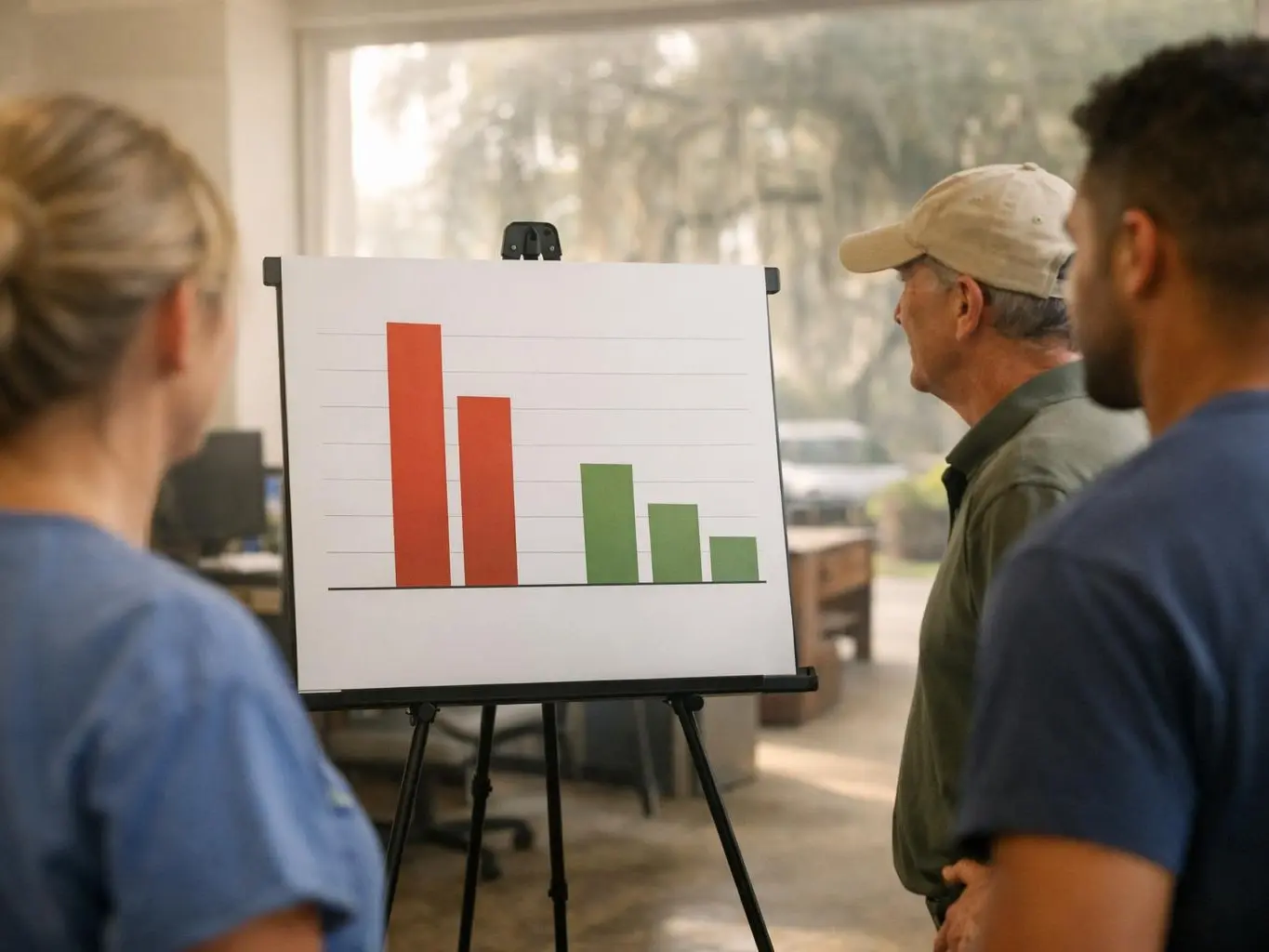
How to Evaluate Scoliosis?

Related Concepts Compared

Scoliosis vs. Kyphosis

Kyphosis involves an excessive forward rounding of the upper back, often called a hunchback. While scoliosis is a sideways curvature of the spine.

Scoliosis vs. Lordosis

Lordosis is an inward curve of the lower back, often referred to as swayback, whereas scoliosis curves sideways.

Expert Note

While scoliosis often begins in childhood, adults can develop degenerative scoliosis due to aging. Regular spinal check-ups can catch subtle changes before they lead to chronic pain or mobility issues.

Common Mistakes or Myths About Scoliosis

  • Assuming scoliosis is just poor posture and will correct itself over time.
  • Believing scoliosis only affects children and cannot develop in adults.
  • Thinking that all cases of scoliosis require surgery, when many are managed with bracing or observation.
  • Ignoring mild curves, which can progress if not monitored regularly.

Scoliosis in Practice: A Real-World Example

A 12-year-old girl notices her right shoulder appears higher than her left. During a school screening, her pediatrician detects a 25-degree spinal curve. She begins wearing a back brace for 18 hours a day to prevent the curve from worsening as she grows.

Related Services

Related Terms

Chiropractic

Chiropractic is a healthcare profession focused on diagnosing and treating musculoskeletal disorders, particularly those related to the spine. Chiropractors use hands-on spinal adjustments and other manual therapies to improve alignment, relieve pain. And support the body’s natural ability to heal. Treatment often addresses back pain, neck pain, headaches. And joint issues without surgery or medication.

Spinal Subluxation

Spinal subluxation is a partial dislocation or misalignment of one or more vertebrae in the spine, which may interfere with nerve function and overall health. Chiropractors identify and correct subluxations to restore proper movement, reduce pain. And support the body’s natural healing ability. It's not a complete dislocation but a subtle shift that can cause discomfort or dysfunction.

Back pain

Back pain is discomfort, soreness. Or stiffness felt anywhere along the spine, from the neck to the lower back. Back pain can be sharp, dull, constant. Or occasional. And may limit movement or daily activities. It often results from muscle strain, joint stress, nerve irritation.

Chiropractic Adjustment

Chiropractic Adjustment is a hands-on procedure where a licensed chiropractor applies controlled force to a specific joint in the spine or other body parts. The goal is to improve alignment, reduce nerve irritation. And restore normal movement. Adjustments are often used to relieve back pain, neck pain, headaches. And joint discomfort without surgery or medication.

Joint Dysfunction

Joint Dysfunction is a condition where a joint in the body moves improperly or loses its normal range of motion, often causing pain, stiffness. Or reduced function. It can result from injury, overuse, poor posture. Or underlying conditions like arthritis. Chiropractors commonly address joint dysfunction to restore proper movement and relieve discomfort.

ChiropractorSavannahGa.com

Have Questions About Scoliosis?

Contact ChiropractorSavannahGa.com for practical guidance on Scoliosis and related chiropractor work in Savannah.

+1 912-378-1371