Glossary

What is Chiropractic Biophysics?

Chiropractic Biophysics is a specialized branch of chiropractic care that combines spinal adjustments with posture correction and spinal rehabilitation. It uses scientific measurements, X-rays. And customized treatment plans to improve spinal alignment and overall health. The goal is to restore normal spinal curves and reduce pain or dysfunction caused by poor posture or injury.

Reviewed by Dr. Harry W. Brown, D.C.Sources reviewed: Chiropractic Biophysics (CBP) Seminars, National University of Health Sciences

Quick Facts About Chiropractic Biophysics

Category

Chiropractic technique

Used for

Posture correction and spinal rehabilitation

Common confusion

Often mistaken for general chiropractic adjustments without scientific measurement

Also called

CBP, Spinal Biophysics

Often discussed with

Neck Injury Treatment, Whiplash Injury Treatment

Key Takeaways About Chiropractic Biophysics

Understanding Chiropractic Biophysics

Chiropractic Biophysics in Chiropractor: Chiropractic Biophysics is a specialized branch of chiropractic care that combine...

Chiropractic Biophysics (CBP) is a research-based approach to chiropractic care that focuses on restoring the natural curves and alignment of the spine. Unlike traditional chiropractic methods that primarily address joint dysfunction, CBP uses objective measurements, such as X-rays and posture analysis, to identify structural abnormalities in the spine. These abnormalities, like flattened or exaggerated spinal curves, can contribute to chronic pain, reduced mobility. And other health issues over time.

Related glossary terms: Chiropractic Adjustment, Posture Correction, Spinal Decompression.

CBP was developed in the 1980s by chiropractors who sought to create a more scientific and measurable approach to spinal care. The technique is grounded in biomechanics, the study of how forces affect the body's movement and structure. By applying principles of biomechanics, CBP practitioners aim to correct spinal misalignments that may not be visible through standard chiropractic examinations. This method is particularly useful for patients with long-standing posture problems, such as those caused by desk jobs, injuries. Or degenerative conditions.

How Chiropractic Biophysics Works?

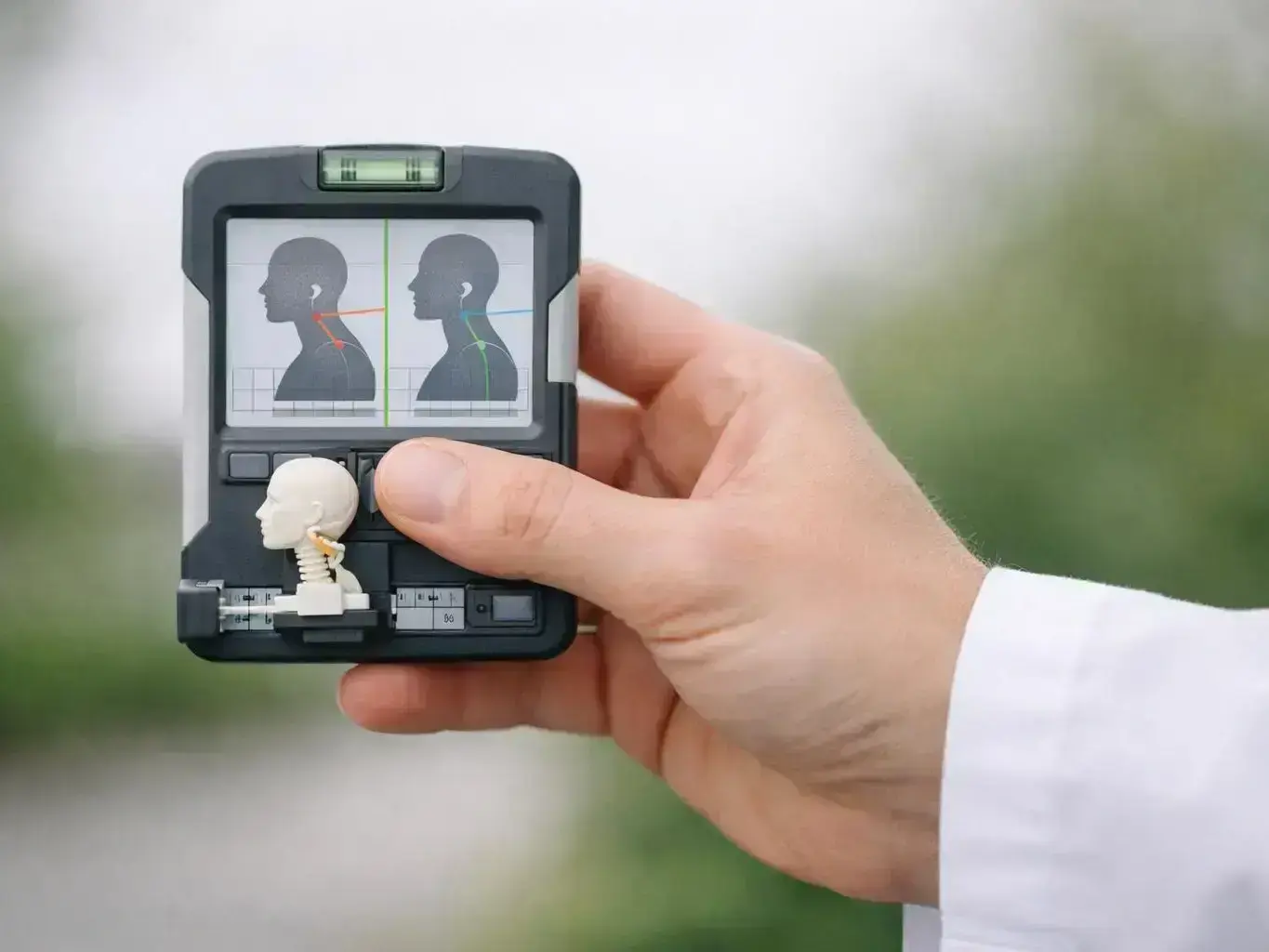
Chiropractic Biophysics begins with a thorough assessment of the patient's spine and posture. This typically includes taking full-spine X-rays to measure the angles and curves of the spine. These images help the chiropractor identify deviations from the ideal spinal alignment, such as a loss of the normal cervical (neck) or lumbar (lower back) curve. The chiropractor then compares these measurements to established norms to determine the specific areas that need correction.

Once the spinal abnormalities are identified, the chiropractor creates a customized treatment plan. This plan often includes a combination of spinal adjustments, traction. And specific exercises designed to gradually restore the spine's natural curves. For example, if a patient has a flattened lower back, the chiropractor may use a specialized table to apply gentle traction, helping to reintroduce the natural curve. Patients are also given targeted exercises to strengthen supporting muscles and reinforce proper posture. Treatment plans are typically long-term, as changing the structure of the spine takes time and consistency.

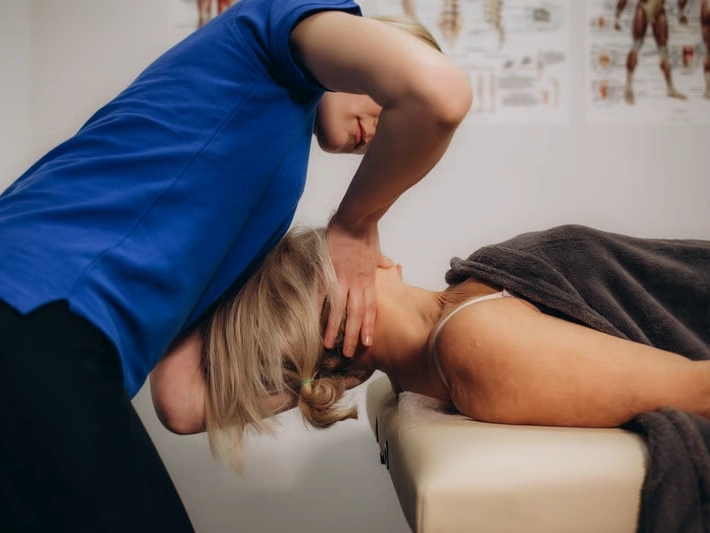
  • Spinal Adjustments: Precise manual or instrument-assisted adjustments to improve joint mobility and alignment.
  • Traction: Mechanical or manual traction to decompress the spine and restore natural curves.
  • Posture Training: Exercises and ergonomic advice to help patients maintain proper alignment in daily activities.
  • Rehabilitation Exercises: Strengthening and stretching routines to support spinal correction and prevent relapse.

Why Chiropractic Biophysics Matters?

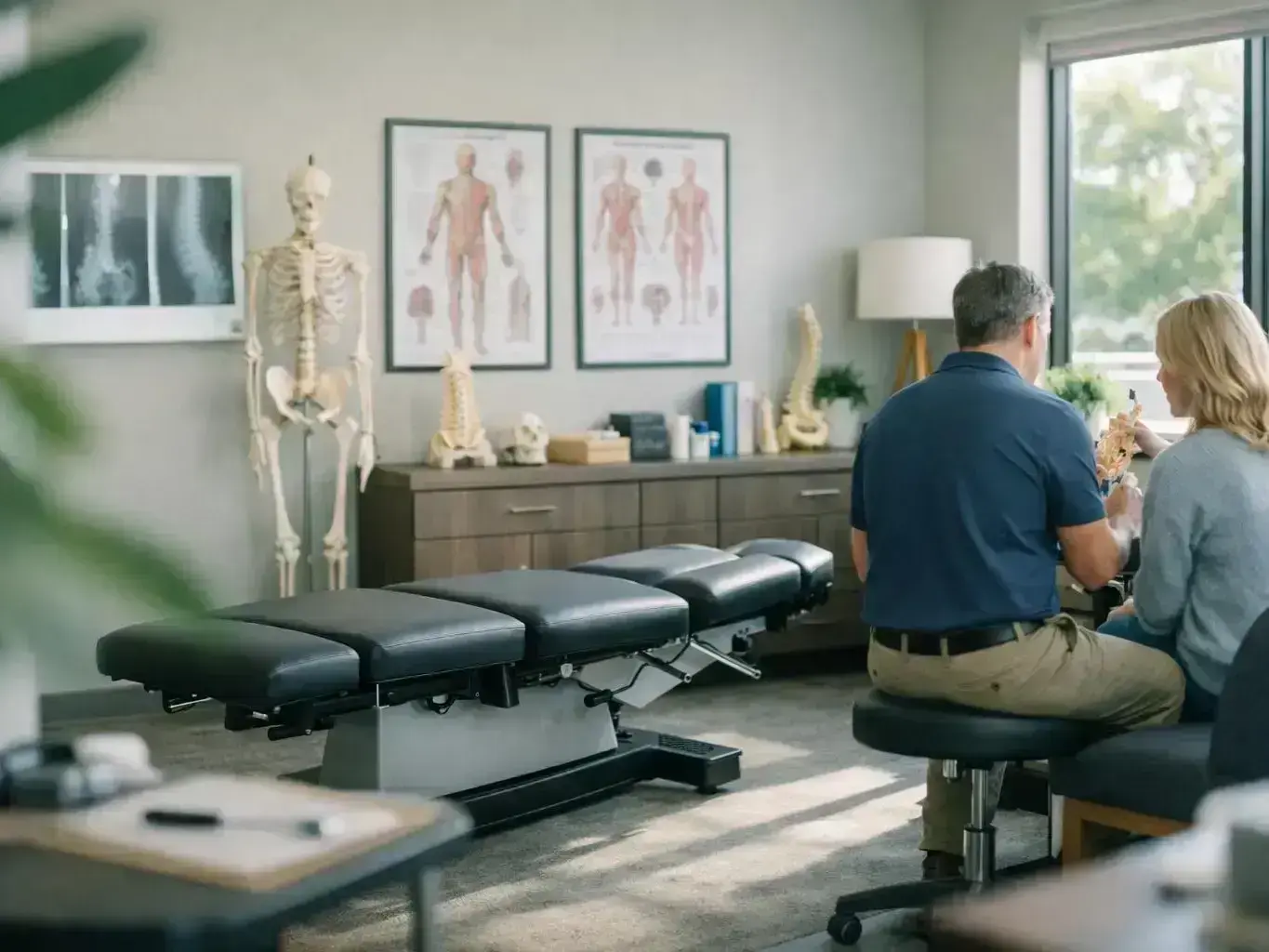
How Chiropractic Biophysics applies to Chiropractor services in Savannah, United States—practical illustration

Chiropractic Biophysics matters because it addresses the root causes of spinal dysfunction rather than just treating symptoms. Poor spinal alignment can lead to a range of health problems, including chronic back pain, headaches, sciatica. And even reduced lung capacity due to postural restrictions. By restoring the spine's natural curves, CBP can alleviate pain, improve mobility. And boost overall well-being. And correcting spinal alignment may help prevent future injuries or degenerative conditions, such as osteoarthritis, that can develop from long-term poor posture.

CBP is also unique in its emphasis on measurable outcomes. Because the technique relies on objective data, such as X-rays and posture analysis, both the chiropractor and the patient can track progress over time. This makes CBP particularly appealing to patients who want a clear understanding of their condition and the steps being taken to improve it. For example, a patient with chronic lower back pain may see tangible improvements in their spinal curve measurements, which can correlate with reduced pain and better function.

When Chiropractic Biophysics Matters Most?

Chiropractic Biophysics is most beneficial for individuals with chronic or complex spinal issues that have not responded to traditional chiropractic care or other treatments. It's particularly useful for patients with conditions such as chronic lower back pain, scoliosis, forward head posture. Or spinal degeneration. CBP is also valuable for those who have sustained injuries, such as whiplash or sports-related trauma, that have altered their spinal alignment. And individuals with posture-related problems, such as office workers or drivers who spend long hours sitting, may find CBP helpful in addressing the structural imbalances caused by prolonged poor posture.

CBP may not be the best option for everyone. It requires a significant time commitment, as treatment plans often span several months or even years. Patients must be willing to follow a structured regimen of adjustments, traction. And exercises to achieve lasting results. And CBP is not typically recommended for acute injuries or conditions that require immediate medical intervention, such as fractures or severe neurological deficits. In such cases, a chiropractor may refer the patient to another healthcare provider for appropriate care.

For chiropractors, CBP offers a way to provide more targeted and evidence-based care. Practitioners who specialize in CBP must undergo additional training and certification to ensure they can accurately interpret spinal measurements and develop effective treatment plans. This specialization can help chiropractors stand out in their field and attract patients seeking a more scientific approach to spinal care.

How to Evaluate Chiropractic Biophysics?

Related Concepts Compared

Chiropractic Biophysics vs. Traditional Chiropractic Adjustments

Traditional chiropractic adjustments focus on relieving joint dysfunction and pain through manual manipulations. While Chiropractic Biophysics uses scientific measurements and long-term plans to correct spinal alignment and posture.

Chiropractic Biophysics vs. Physical Therapy

Physical therapy often focuses on strengthening muscles and improving mobility through exercises. While Chiropractic Biophysics specifically targets spinal alignment using adjustments, traction. And posture correction.

Chiropractic Biophysics vs. Scoliosis Treatment

Scoliosis treatment may include bracing, surgery. Or general chiropractic care. While Chiropractic Biophysics uses precise measurements and traction to address abnormal spinal curves associated with scoliosis.

Expert Note

Chiropractic Biophysics is one of the few chiropractic techniques that relies on objective data to guide treatment. This makes it particularly useful for patients with complex spinal issues. But it also requires patience—structural changes take time. And consistency with exercises and adjustments is key to success.

Common Mistakes or Myths About Chiropractic Biophysics

  • Assuming Chiropractic Biophysics is the same as regular chiropractic adjustments—it involves more science and long-term planning.
  • Expecting immediate results—CBP focuses on structural changes that take months to achieve.
  • Skipping prescribed exercises or traction sessions, which are essential for lasting improvement.
  • Choosing a chiropractor without CBP certification for this specific technique.

Chiropractic Biophysics in Practice: A Real-World Example

A patient with chronic neck pain visits a chiropractor certified in Chiropractic Biophysics. The chiropractor takes X-rays and discovers the patient has lost the natural curve in their neck, likely due to years of looking down at a phone. The treatment plan includes gentle traction to restore the curve, specific adjustments to improve joint mobility. And exercises to strengthen the neck muscles. Over several months, the patient’s X-rays show improved alignment. And their pain decreases significantly.

Sources & Further Reading on Chiropractic Biophysics

Related Services

Related Terms

Chiropractic Adjustment

Chiropractic Adjustment is a hands-on procedure chiropractors use to apply controlled force to a specific joint in the spine or other body parts. The goal is to improve joint motion, reduce pain. And support the body’s natural ability to heal. Adjustments are typically quick and may produce a popping sound caused by gas releasing from the joint.

Posture Correction

Posture Correction is the process of identifying, adjusting. And retraining the body’s alignment to reduce strain on muscles, joints. And nerves. It involves exercises, ergonomic changes. And manual therapies to improve how a person stands, sits.

Spinal Decompression

Spinal Decompression is a non-surgical treatment method designed to relieve pressure on the spine and spinal nerves. It involves gently stretching the spine using a motorized table or similar device to create negative pressure within spinal discs, promoting the retraction of herniated or bulging discs and improving nutrient flow to affected areas.

CBP Certification

CBP Certification is a specialized credential awarded to chiropractors who complete advanced training in Chiropractic Biophysics (CBP). This certification focuses on structural correction of the spine using precise measurements, scientific research. And tailored rehabilitation techniques to improve posture and spinal alignment. It requires coursework, exams.

Arrowhead Clinic Chiropractor

Have Questions About Chiropractic Biophysics?

Contact Arrowhead Clinic Chiropractor for practical guidance on Chiropractic Biophysics and related chiropractor work in Savannah.

+1 912-378-1371