Understanding Disc Herniation
Discs sit between the bones in your spine. These discs act like cushions. They can get hurt.
Related glossary terms: Back pain, Pinched Nerve, Sciatica.
Each disc has a tough outer ring. It's called the annulus. Inside is soft jelly. That's the nucleus.
The annulus can tear. Then the jelly pushes out. This is a disc herniation (bulge).
The bulge can press on nerves. This causes pain or tingling. It can make muscles weak.
Most herniations happen in the lower back. They also happen in the neck. These spots move and carry weight.
Discs wear out as we age. They lose water and get stiff. This happens slowly.
Sudden injuries can hurt discs too. Lifting wrong can do it. Twisting can too.
Symptoms change based on where it happens. They also change by how bad it is.
A herniated disc in the back may cause sciatica. That's sharp leg pain.
A neck disc may hurt your arm. It may make your hand numb.
How Disc Herniation Works?
Your spine has 24 bones. They stack on top of each other. Discs sit between them.
Discs act like shock absorbers. They keep your spine safe. But they can get hurt.
The soft inside can leak out. It pushes through a crack. This is a herniation.
The leaked stuff can press on nerves. Nerves send signals to your body.
When nerves are pressed, they don't work right. This causes pain or numbness.
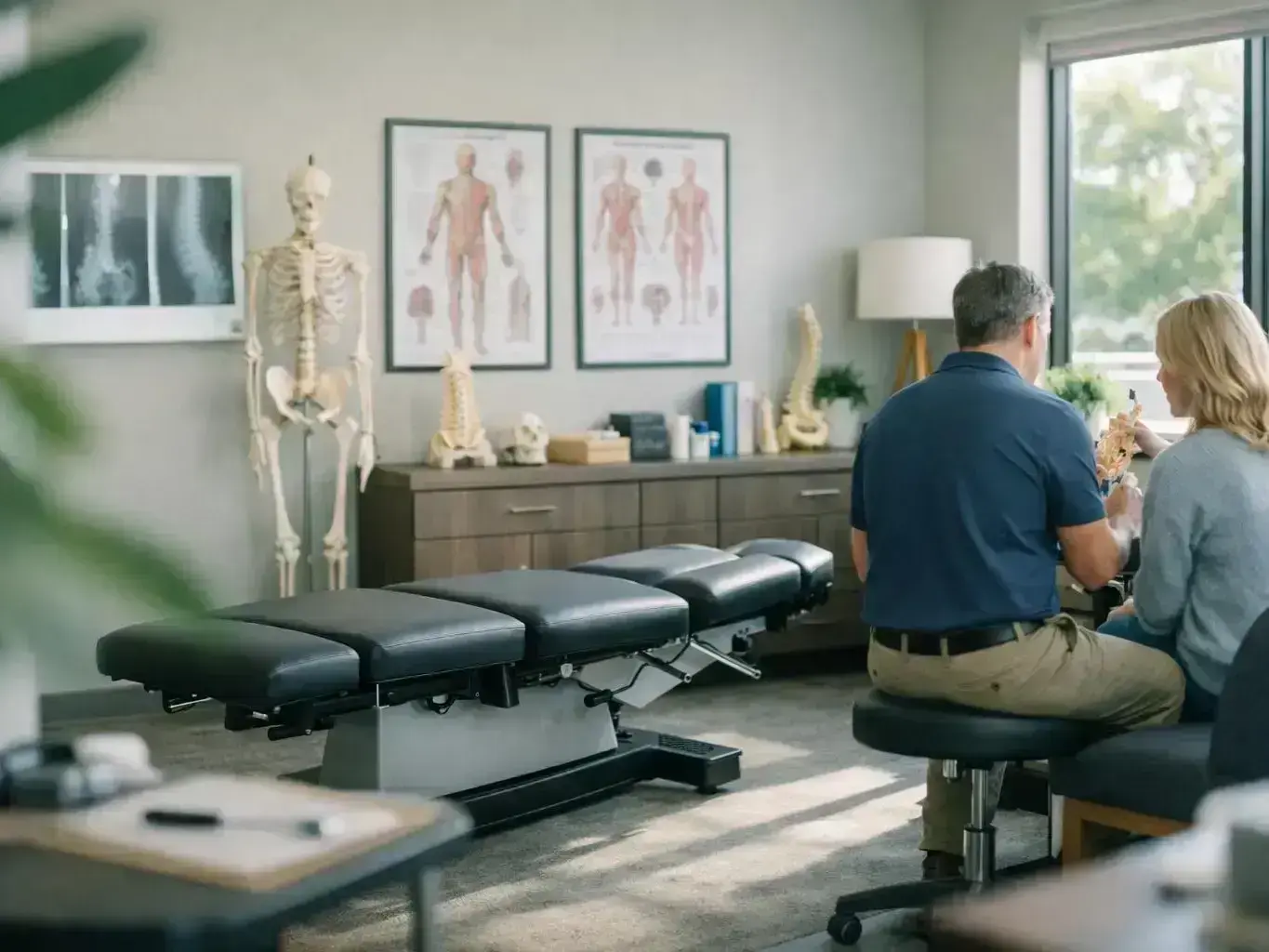
Doctors check for disc problems. They ask about your health. They test your strength.
They may use scans. MRI or CT scans take pictures. These show the herniation.
X-rays can't see discs. They only show bones. So they rule out other problems.
Why Disc Herniation Matters?
Disc herniation can hurt your daily life. It causes pain that won't go away.
It can make moving hard. Simple things like walking hurt.
If not treated, it can cause big problems. Nerves may get damaged for good.
This can make muscles weak. It can make body parts numb.
Getting help early helps a lot. It stops more damage. It helps you heal faster.
Most herniations get better with rest. Physical therapy can help too.
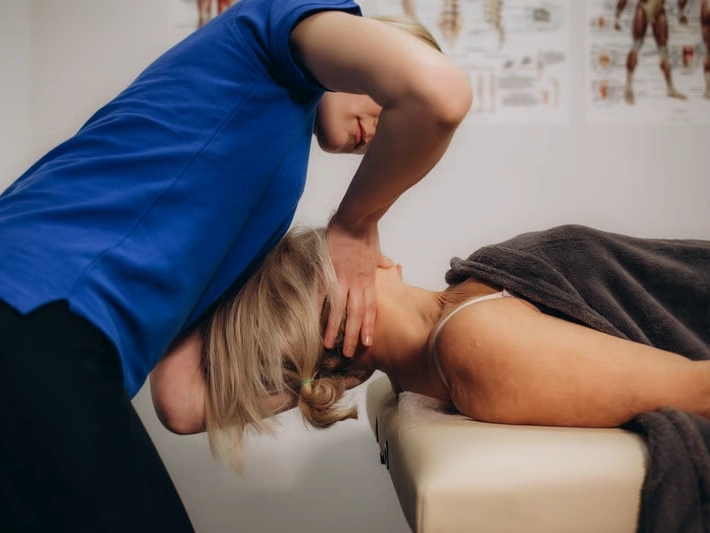
Chiropractic care can ease pain. Medicine can help too.
These help your spine get strong. They make moving easier.
Sometimes surgery is needed. It takes pressure off nerves.
When Disc Herniation Matters Most?
Get help if herniation bothers your day. Watch for bad signs.
See a doctor if pain won't go away. Numbness or weakness needs quick help.
Loss of bladder control is serious. Trouble walking is too.
These may mean a big problem. It's called cauda equina syndrome.
Get help right away for this.
Some people get herniations more. Jobs with heavy lifting can cause them.
Sports can too. So can moving your spine a lot.
Older people get them more. Discs wear out over time.
Early help can stop big problems. It can keep you from needing surgery.
Chiropractic care can help. It eases pain without surgery.