Glossary

What is Lower Back Pain?

Lower Back Pain is discomfort, stiffness. Or aching in the area between the bottom of the rib cage and the top of the legs, often caused by muscle strain, disc problems. Or joint issues. Lower Back Pain can range from mild to severe and may limit movement, affect daily activities. Or signal an underlying condition requiring medical attention.

Reviewed by ChiropractorSavannahGa.comSources reviewed: National Institute of Neurological Disorders and Stroke, Mayo Clinic

Quick Facts About Lower Back Pain

Category

Musculoskeletal condition

Used for

Identifying spinal discomfort or dysfunction

Common confusion

Often mistaken for kidney pain or sciatica without proper diagnosis

Also called

Lumbar pain, Lumbago

Often discussed with

Chiropractic Consultation and Diagnosis, Work Injury Treatment

Key Takeaways About Lower Back Pain

Understanding Lower Back Pain
Lower Back Pain in Chiropractor—Savannah

Lower Back Pain is one of the most common reasons people visit a healthcare provider. The lower back. Or lumbar region, supports much of the body’s weight and allows for movement like bending, twisting. And lifting. When muscles, ligaments, discs. Or joints in this area become irritated or injured, pain can develop. This pain may feel like a dull ache, sharp stabbing. Or burning sensation and can radiate into the hips, buttocks. Or legs.

Related glossary terms: Back pain, Sciatica, Disc Herniation.

Lower Back Pain is not a disease itself but a symptom of an underlying issue. Most cases are classified as mechanical, meaning they stem from how the spine moves or bears weight. Mechanical causes include muscle strains, ligament sprains, disc herniation. Or joint degeneration. Less commonly, pain may result from inflammatory conditions, infections. Or referred pain from organs like the kidneys. Understanding the type and location of pain helps guide appropriate treatment.

How Lower Back Pain Develops and Is Diagnosed?

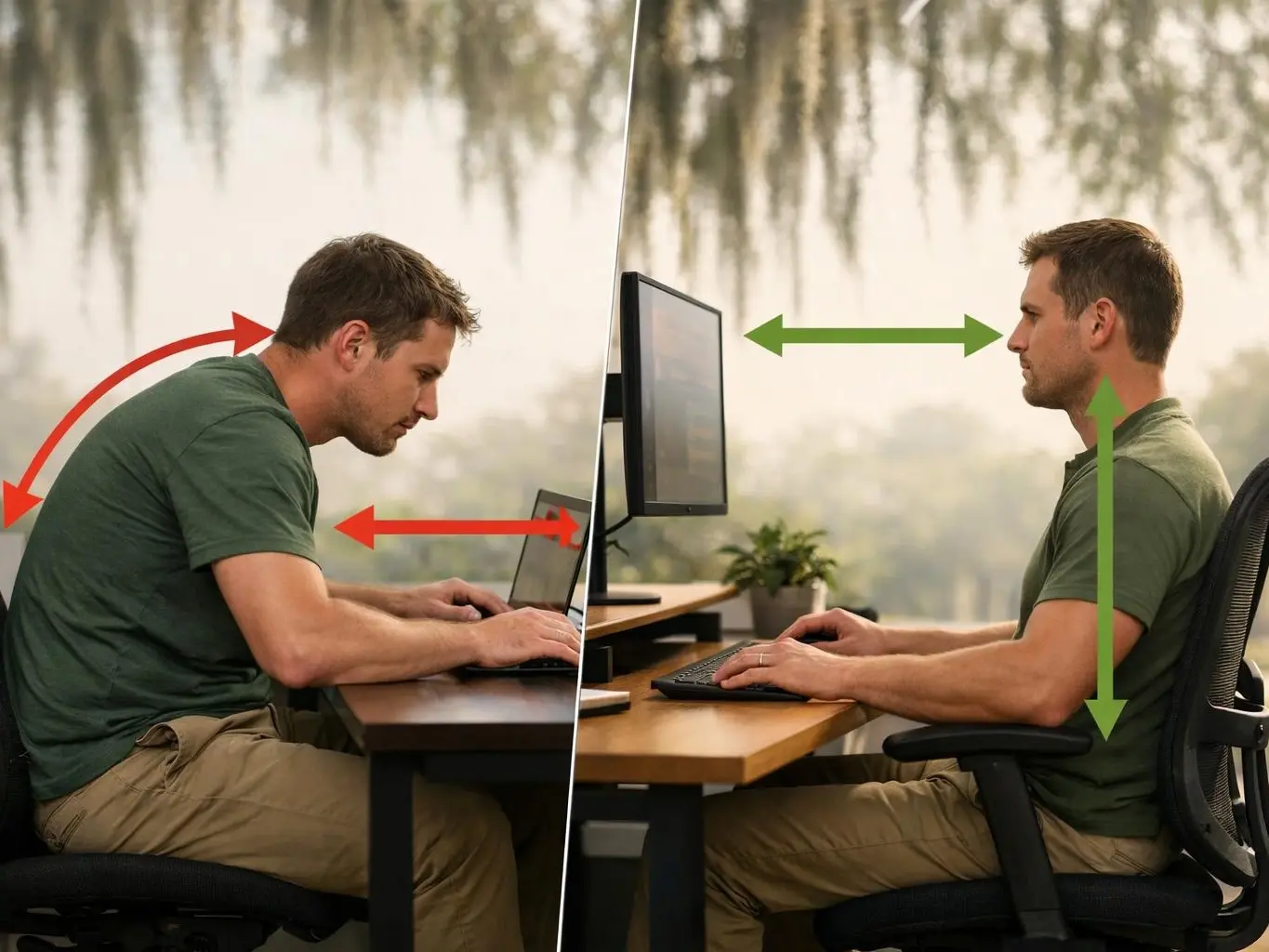
Lower Back Pain often starts suddenly after an awkward movement, lifting something heavy. Or sitting for long periods. Poor posture, weak core muscles. Or repetitive stress can also contribute over time. When muscles or ligaments are overstretched, tiny tears can cause inflammation and spasms. Discs between vertebrae may bulge or rupture, pressing on nearby nerves and causing sharp pain or numbness down the legs, known as sciatica.

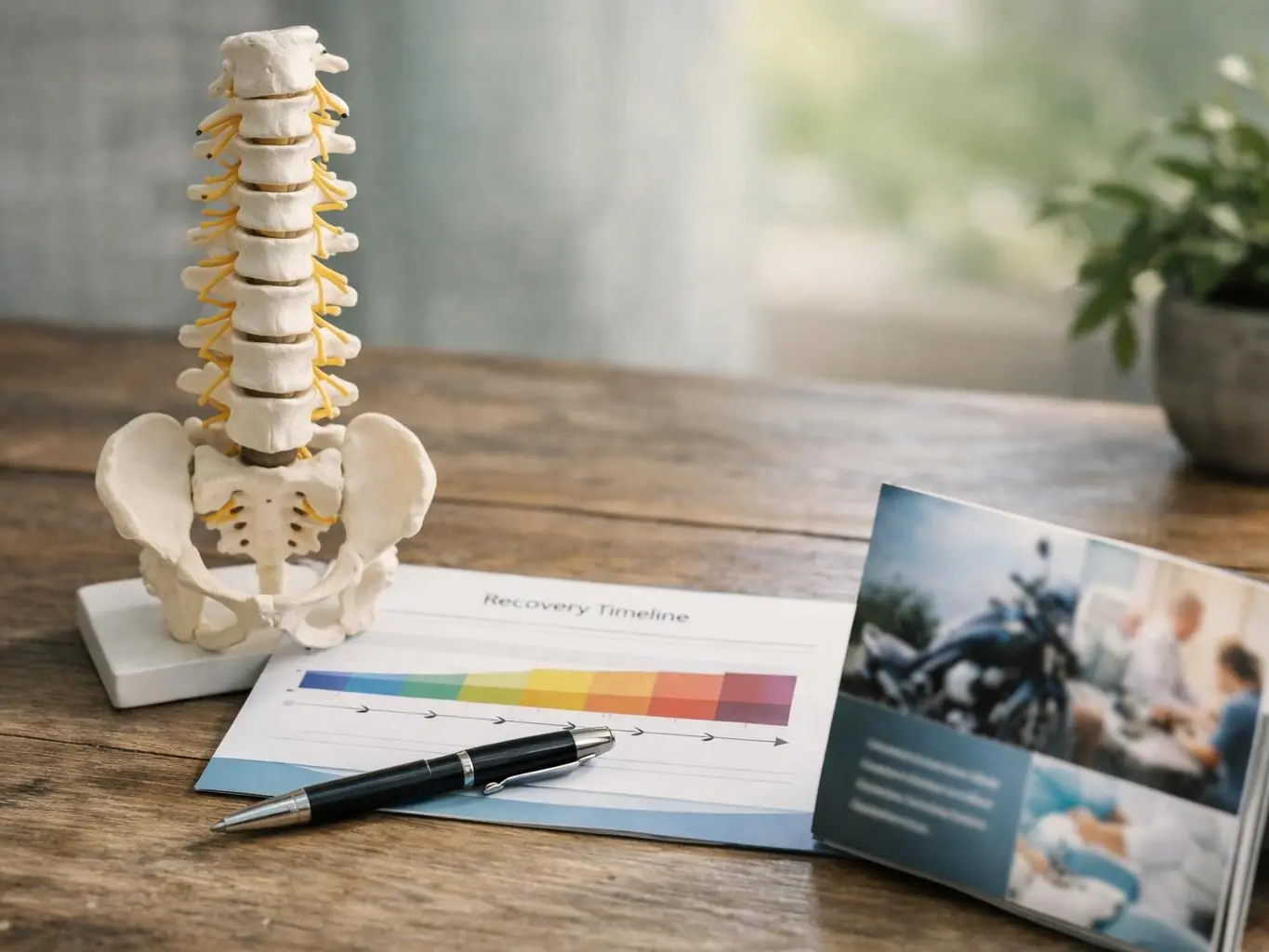
Diagnosing Lower Back Pain typically begins with a physical exam. A healthcare provider checks for tenderness, range of motion. And nerve function. They may ask about the pain’s location, severity. And what makes it better or worse. Imaging tests like X-rays or MRIs are not always needed but can help rule out fractures, herniated discs. Or arthritis if symptoms persist or worsen. Blood tests may be used if an infection or inflammatory condition is suspected.

Why Lower Back Pain Matters?

Lower Back Pain can significantly impact daily life, making simple tasks like sitting, standing. Or walking uncomfortable. For some, it leads to missed work, reduced productivity. Or difficulty enjoying hobbies and family time. Chronic Lower Back Pain, defined as pain lasting more than three months, can also affect mental health, increasing stress, anxiety. Or depression. Addressing pain early helps prevent it from becoming a long-term problem.

Beyond personal discomfort, Lower Back Pain has broader economic effects. It's a leading cause of disability worldwide and contributes to billions in healthcare costs and lost wages annually. Many people turn to over-the-counter pain relievers, physical therapy. Or chiropractic care for relief. Understanding the causes and treatments empowers individuals to make informed decisions about their health and avoid unnecessary surgeries or medications.

When Lower Back Pain Matters Most?

Lower Back Pain requires immediate attention if it follows a recent injury, such as a fall or car accident. Sudden, severe pain, especially if accompanied by numbness, tingling. Or weakness in the legs, may indicate a serious issue like a herniated disc or nerve compression. Other red flags include pain that worsens at night, fever, unexplained weight loss. Or loss of bladder or bowel control. These symptoms warrant prompt medical evaluation to rule out conditions requiring urgent treatment.

For most people, Lower Back Pain improves within a few weeks with self-care. Rest, ice or heat therapy, gentle stretching. And over-the-counter pain relievers can help. But if pain persists beyond a month, interferes with daily activities. Or keeps returning, consulting a healthcare provider is wise. Early intervention, such as physical therapy or chiropractic adjustments, can address underlying issues and prevent chronic pain. Maintaining a healthy weight, staying active. And practicing proper lifting techniques can also reduce the risk of future episodes.

How to Evaluate Lower Back Pain?

Related Concepts Compared

Lower Back Pain vs. Sciatica

Sciatica is a type of Lower Back Pain caused by irritation of the sciatic nerve, often felt as pain, numbness. Or tingling down one leg. While Lower Back Pain may remain localized to the back.

Lower Back Pain vs. Muscle Strain

Muscle strain refers to overstretched or torn muscles, often causing localized soreness. While Lower Back Pain is a broader term that can involve muscles, discs, joints. Or nerves.

Expert Note

Lower Back Pain often stems from cumulative stress rather than a single event. Small daily habits, like slouching at a desk or lifting with the back instead of the legs, can gradually weaken supporting structures and increase injury risk over time.

Common Mistakes or Myths About Lower Back Pain

  • Ignoring pain and pushing through daily activities, which can worsen the injury.
  • Assuming bed rest is the best treatment—prolonged inactivity can weaken muscles and delay recovery.
  • Confusing Lower Back Pain with kidney pain or other internal issues without proper evaluation.
  • Relying only on pain medication without addressing the root cause, like poor posture or muscle imbalances.

Lower Back Pain in Practice: A Real-World Example

After helping a friend move furniture, Sarah felt a sharp pain in her lower back. The discomfort worsened when she bent down to tie her shoes. And she noticed stiffness when sitting for long periods. Rest and ice helped. But the pain returned after a week, prompting her to seek professional advice to address the underlying issue.

Related Services

Related Terms

Back pain

Back pain is discomfort, soreness. Or stiffness felt anywhere along the spine, from the neck to the lower back. Back pain can be sharp, dull, constant. Or occasional. And may limit movement or daily activities. It often results from muscle strain, joint stress, nerve irritation.

Sciatica

Sciatica is pain that travels along the path of the sciatic nerve, which runs from the lower back through the hips and buttocks and down each leg. Sciatica typically affects only one side of the body and occurs when the nerve is compressed or irritated, often due to a herniated disc, bone spur. Or muscle tightness.

Disc Herniation

Disc Herniation is a spinal condition where the soft, gel-like center of a spinal disc pushes through a tear in its tough outer layer. This can press on nearby nerves, causing pain, numbness. Or weakness in the back, arms. Or legs. Disc herniations often occur in the lower back or neck due to injury, wear and tear. Or improper lifting.

Joint Dysfunction

Joint Dysfunction is a condition where a joint in the body moves improperly or loses its normal range of motion, often causing pain, stiffness. Or reduced function. It can result from injury, overuse, poor posture. Or underlying conditions like arthritis. Chiropractors commonly address joint dysfunction to restore proper movement and relieve discomfort.

Spinal Subluxation

Spinal subluxation is a partial dislocation or misalignment of one or more vertebrae in the spine, which may interfere with nerve function and overall health. Chiropractors identify and correct subluxations to restore proper movement, reduce pain. And support the body’s natural healing ability. It's not a complete dislocation but a subtle shift that can cause discomfort or dysfunction.

ChiropractorSavannahGa.com

Have Questions About Lower Back Pain?

Contact ChiropractorSavannahGa.com for practical guidance on Lower Back Pain and related chiropractor work in Savannah.

+1 912-378-1371