Understanding Low Back Pain

Low Back Pain is one of the most common health complaints worldwide, affecting people of all ages and lifestyles. The lower back. Or lumbar region, supports much of the body’s weight and allows for movement like bending, twisting. And lifting. Because of this, it's prone to injury and strain. Low Back Pain can feel like a dull ache, sharp stabbing pain. Or stiffness that limits mobility. It may come on suddenly after an injury or develop gradually over time due to wear and tear.
Related glossary terms: Back Pain, Disc Herniation, Spinal Stenosis.
While Low Back Pain is rarely life-threatening, it can significantly impact daily life. Simple tasks like sitting, standing. Or walking may become difficult. In some cases, the pain spreads to the legs, a condition known as sciatica, which occurs when nerves in the lower back are compressed. Understanding the cause of Low Back Pain is important because it helps determine the best treatment and prevention strategies.
How Low Back Pain Works?
The lower back is made up of bones (vertebrae), discs that act as cushions between the bones, muscles, ligaments. And nerves. When any of these structures are damaged or irritated, pain signals are sent to the brain. For example, lifting a heavy object improperly can strain muscles or sprain ligaments. Over time, poor posture or repetitive motions can wear down discs, leading to herniation or degeneration. Nerve compression, often caused by a herniated disc or spinal stenosis, can cause pain that radiates down the legs.
Low Back Pain is often measured by its intensity, duration. And impact on daily activities. Doctors may use a pain scale from 1 to 10 to assess severity, where 1 is mild discomfort and 10 is unbearable pain. Imaging tests like X-rays, MRIs. Or CT scans can help identify structural problems. But many cases of Low Back Pain don't show clear damage on these tests. Instead, the pain may stem from muscle tension, inflammation. Or minor joint dysfunction.
Why Low Back Pain Matters?
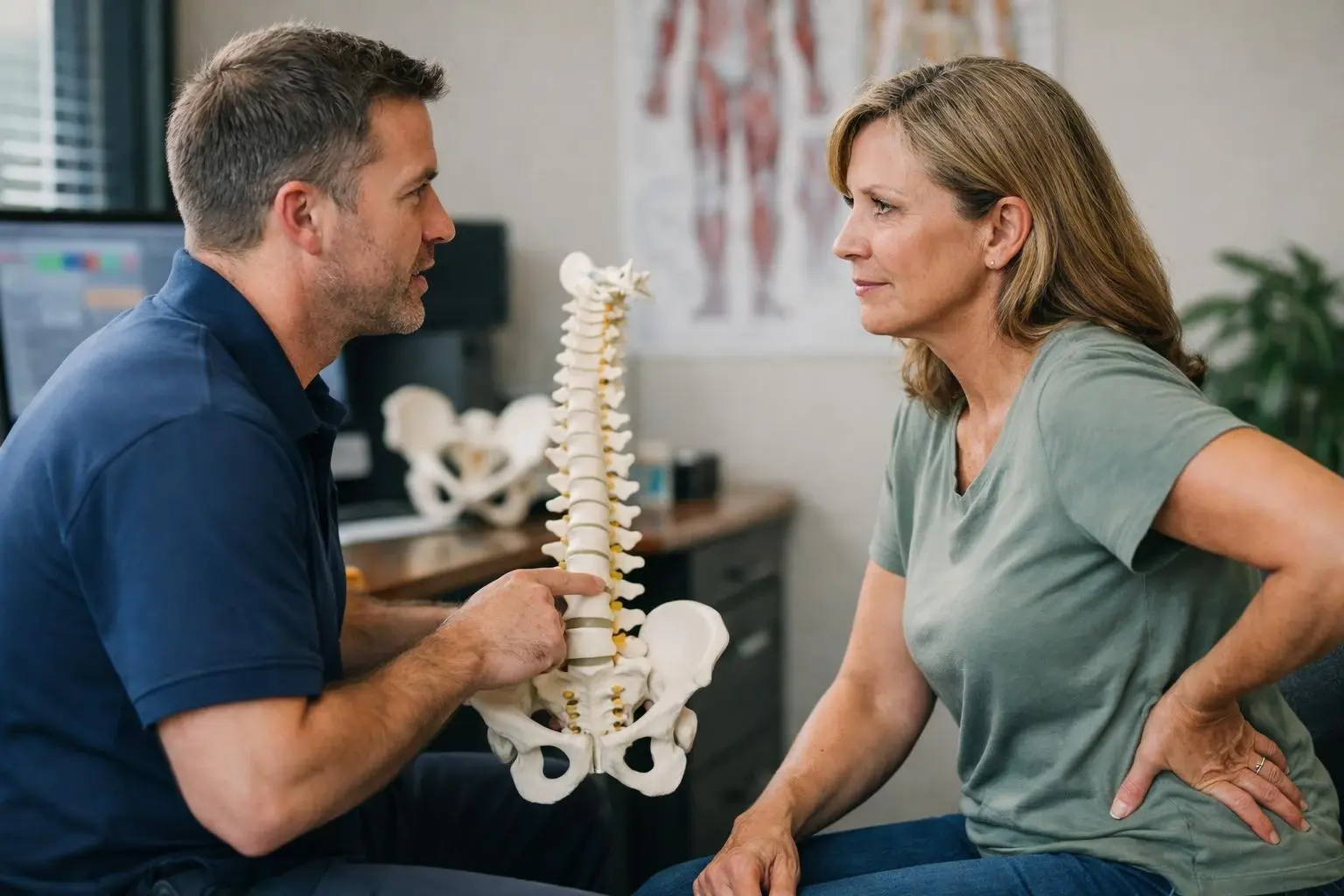
Low Back Pain is a leading cause of missed workdays and reduced productivity. In the United States, it is one of the top reasons people visit a doctor. Chronic Low Back Pain, which lasts more than three months, can lead to long-term disability and emotional stress. The economic impact is significant, with billions spent annually on medical treatments, lost wages. And disability benefits. For individuals, persistent pain can affect sleep, mood. And overall quality of life.
Preventing Low Back Pain is often easier than treating it. Simple habits like maintaining good posture, lifting objects correctly. And staying active can reduce the risk. Strengthening the core muscles, which support the lower back. And stretching regularly can also help. When Low Back Pain does occur, early intervention—such as rest, ice. Or gentle movement—can prevent it from becoming chronic. For severe or persistent cases, professional care may be needed to address the underlying cause.
When Low Back Pain Matters Most?
Low Back Pain becomes especially important in certain situations. For example, sudden, severe pain after an injury—like a fall or car accident - may signal a serious problem like a fracture or herniated disc. Pain accompanied by numbness, weakness. Or loss of bladder control requires immediate medical attention, as these symptoms can indicate nerve damage. People with jobs that involve heavy lifting, prolonged sitting. Or repetitive motions are at higher risk and should take preventive measures.
Chronic Low Back Pain often affects older adults due to age-related changes in the spine, such as arthritis or spinal stenosis. But younger people can also experience chronic pain due to poor ergonomics, lack of exercise. Or sports injuries. In Savannah, GA, where humidity and heat can worsen inflammation, managing Low Back Pain may require additional strategies like staying hydrated and adjusting activity levels during extreme weather.