Understanding Workers Compensation Chiropractic
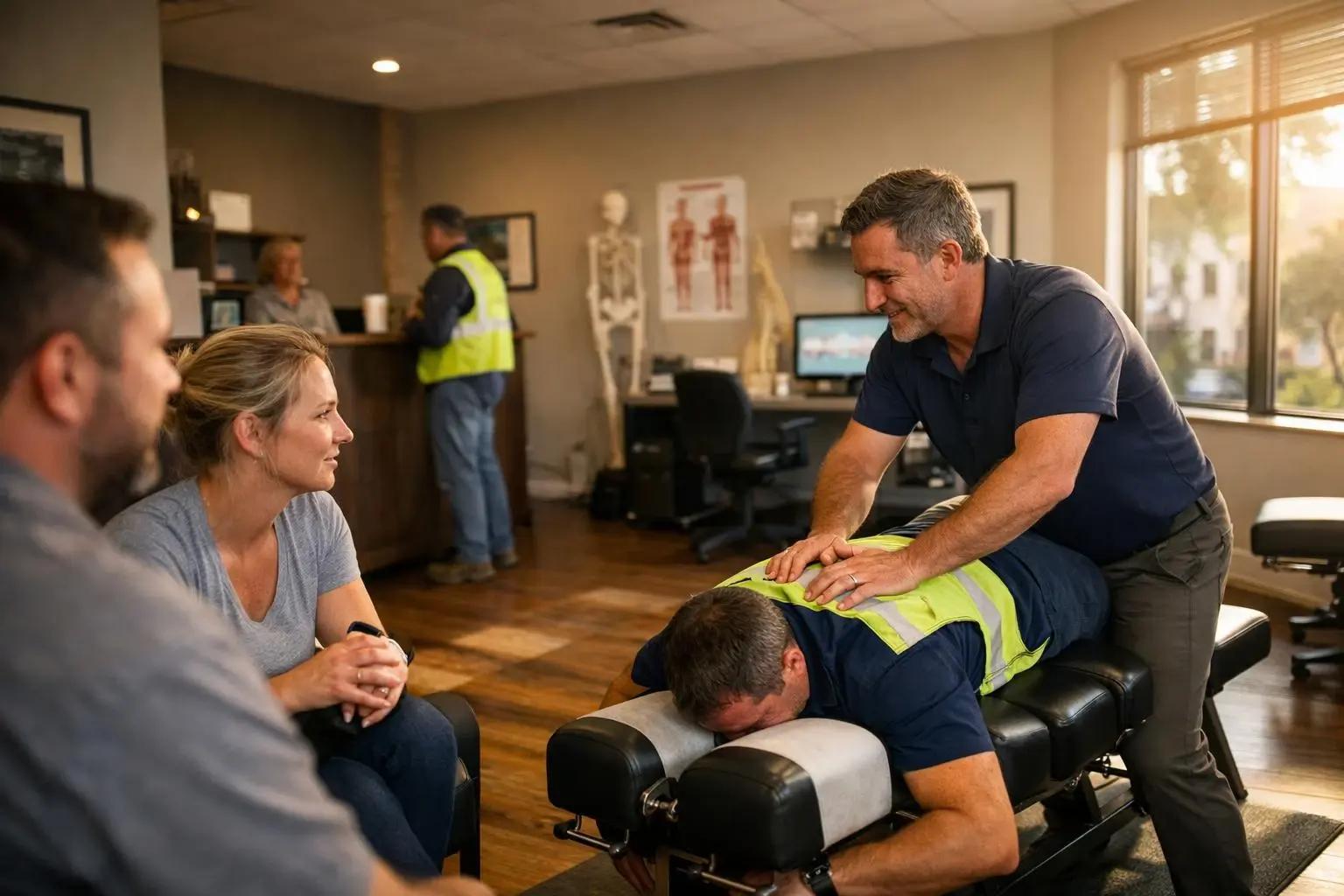
Workers Compensation Chiropractic is a form of healthcare designed specifically for employees who are injured while performing their job duties. Unlike regular chiropractic care, this service is paid for by workers' compensation insurance, which employers are required to carry in most states. The injuries treated often involve the spine, joints. Or muscles, such as back pain from lifting, neck strain from computer work. Or repetitive stress injuries from assembly line tasks. Workers Compensation Chiropractic aims to reduce pain, restore function. And help employees return to work as quickly and safely as possible.
Related glossary terms: Chiropractic Adjustment, Back Pain, Ergonomic Assessment.
To qualify for Workers Compensation Chiropractic, the injury must be reported to the employer and documented as work-related. The employee typically needs a referral or approval from the workers' compensation insurance provider before starting treatment. Chiropractors who provide this care must be licensed in the state where the injury occurred and familiar with the specific regulations governing workers' compensation claims. That way that the treatment meets legal and insurance requirements, protecting both the employee and the employer from disputes over coverage.
How Workers Compensation Chiropractic Works?
The process of Workers Compensation Chiropractic begins when an employee reports a work-related injury to their employer. The employer files a claim with their workers' compensation insurance provider, which then reviews the case to determine if the injury is covered. If approved, the employee is referred to a licensed chiropractor who specializes in treating work injuries. The chiropractor evaluates the injury, creates a treatment plan. And submits it to the insurance provider for authorization. Treatment may include spinal adjustments, soft tissue therapy, exercises. Or ergonomic advice, depending on the nature of the injury.
Throughout the treatment process, the chiropractor documents the employee's progress and communicates with the insurance provider, employer. And sometimes the employee's primary care doctor. This documentation is important because it helps the insurance provider track the employee's recovery and determine when they can safely return to work. In some cases, the chiropractor may recommend modified duties or workplace adjustments to prevent re-injury. The length of treatment varies depending on the severity of the injury. But the goal is always to help the employee recover fully and return to their job without ongoing pain or limitations.
Why Workers Compensation Chiropractic Matters?

Workers Compensation Chiropractic plays a critical role in helping employees recover from work-related injuries without the financial burden of medical bills. Because the care is covered by workers' compensation insurance, employees can focus on healing rather than worrying about out-of-pocket costs. For employers, providing access to this care can reduce the overall cost of workers' compensation claims by speeding up recovery and minimizing lost workdays. When injuries are treated promptly and effectively, employees are more likely to return to work sooner, which benefits both the worker and the employer.
And Workers Compensation Chiropractic can help prevent minor injuries from becoming chronic conditions. For example, untreated back pain from lifting can lead to long-term disability if not addressed early. Chiropractic care focuses on restoring proper alignment and function, which can reduce the risk of future injuries. That means especially important for jobs that involve physical labor, repetitive motions. Or prolonged sitting, where musculoskeletal strain is common. By addressing injuries early, Workers Compensation Chiropractic supports long-term health and productivity for workers.
When Workers Compensation Chiropractic Matters Most?
Workers Compensation Chiropractic is most important in situations where an employee suffers a work-related injury that affects their ability to perform their job. Common scenarios include lifting heavy objects, slipping or falling at work, repetitive motions like typing or assembly line work. Or accidents involving machinery. These injuries often result in back pain, neck strain, joint problems. Or soft tissue damage, which can be effectively treated with chiropractic care. The sooner an employee receives treatment, the better their chances of a full recovery and avoiding long-term complications.
A common issue is Workers Compensation Chiropractic also matters when an employee is struggling to return to work due to ongoing pain or limited mobility. In these cases, the chiropractor may work with the employer to create a gradual return-to-work plan, including modified duties or ergonomic adjustments. This helps the employee ease back into their job without risking re-injury. And Workers Compensation Chiropractic is valuable for employers who want to comply with state regulations and reduce the financial impact of workers' compensation claims. By providing timely and appropriate care, employers can demonstrate their commitment to employee safety and well-being.